


Zimbabwe Releases Nearly 4,000 Prisoners Under Presidential Amnesty
Last update: March 2, 2026
Disclaimer: This website may contain affiliate links, which means we may earn a commission if you click on the link and make a purchase. We only recommend products or services that we personally use and believe will add value to our readers. Your support is appreciated!
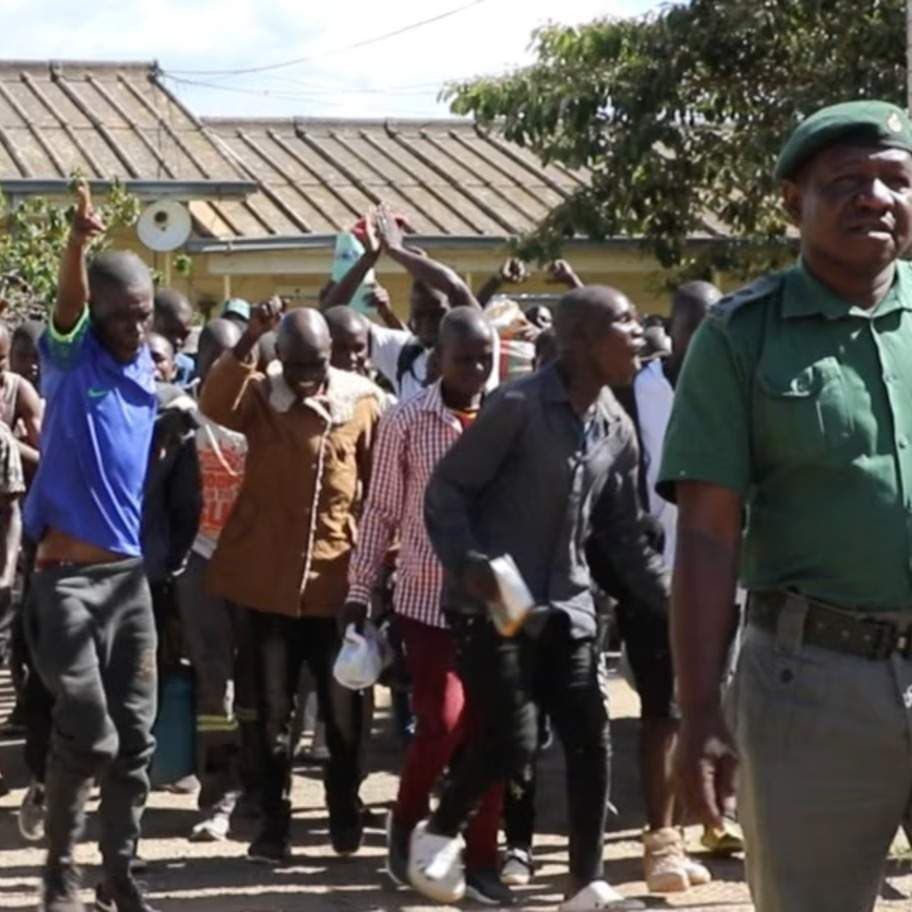
Government says move aims to reduce prison overcrowding as constitutional changes spark political tensions.
Zimbabwe on Monday began releasing nearly 4,000 inmates granted presidential amnesty in a move aimed at easing overcrowding in the country’s prisons.
The cabinet announced the amnesty in February, the same day it approved sweeping constitutional changes as part of a plan to extend 83 year old President Emmerson Mnangagwa’s term in office until 2030.
CBI News reports that Justice Minister Ziyambi Ziyambi said at a press conference in Harare that the release of 3,978 beneficiaries had begun.
According to the latest available national data, Zimbabwe’s prisons held just over 24,000 inmates in the second quarter of 2025.
Ziyambi said a total of 4,305 prisoners, including 223 women, would eventually be freed under the scheme, which focuses on vulnerable groups and inmates who have shown significant progress in rehabilitation.
He described the move as reflecting a commitment to restorative justice, national compassion and the strategic decongestion of correctional facilities.
The amnesty excludes prisoners convicted of serious offences such as murder, robbery and rape, as well as those found guilty of violating the Maintenance of Peace and Order Act, a law previously used against protesters and political opposition figures.
Zimbabwe has faced growing unrest since last year, with rising public anger directed at Mnangagwa and his ruling Zanu PF party.
Prominent opposition figures have condemned the recently approved constitutional amendments as a constitutional coup.
The proposed changes, which still require approval from parliament where Zanu PF holds a majority, include extending the presidential term to seven years and removing direct presidential elections by granting parliament the power to select the head of state.