


Zimbabwe Parliament Passes Bill to Extend Presidential Term to Seven Years
Last update: June 19, 2026
Disclaimer: This website may contain affiliate links, which means we may earn a commission if you click on the link and make a purchase. We only recommend products or services that we personally use and believe will add value to our readers. Your support is appreciated!
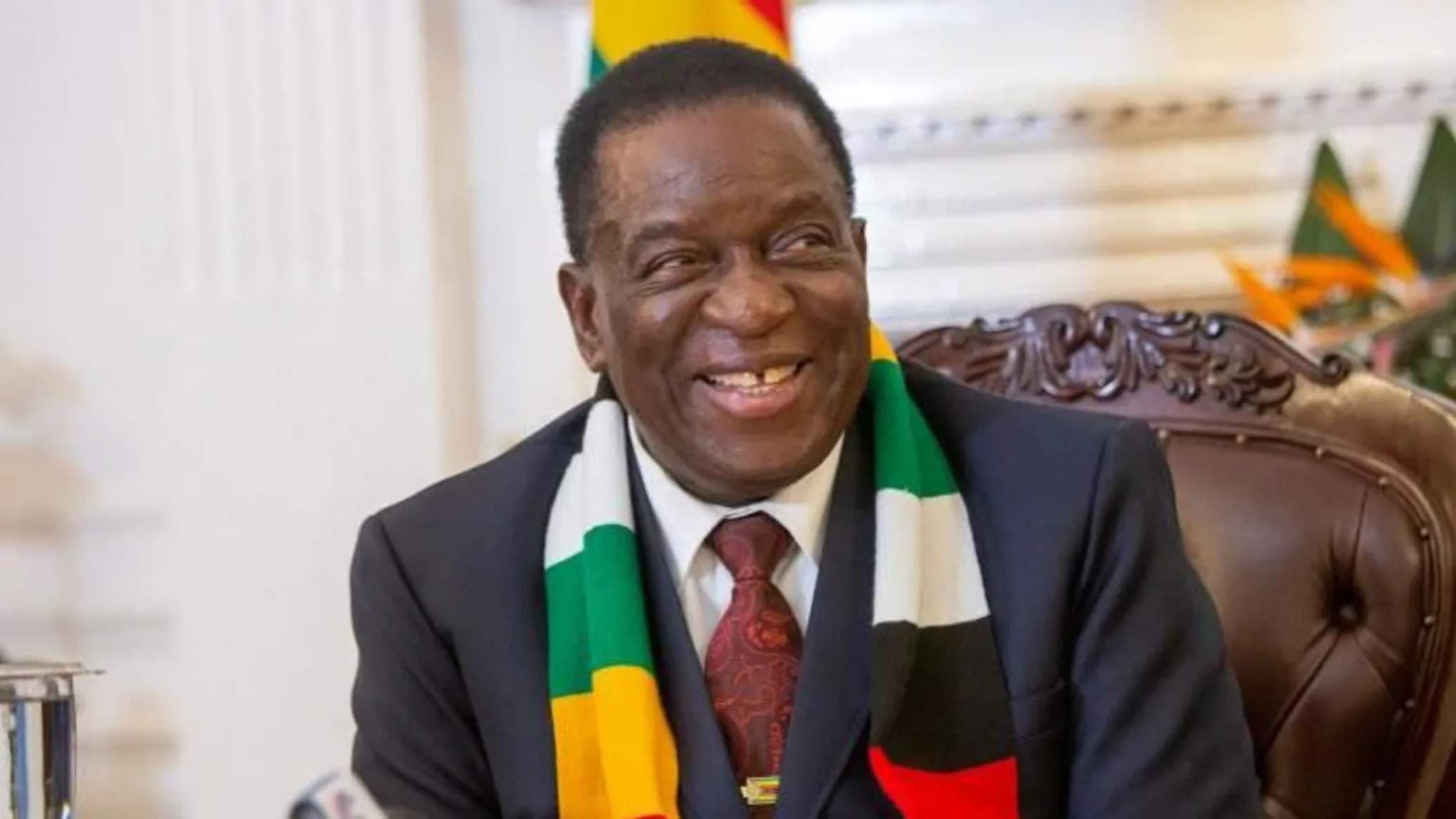
Big political shake-up in Harare, MPs just voted to let President Mnangagwa stay until 2030, and Zimbabweans may never vote for a president directly again.
Zimbabwe’s lower house of parliament has just given the green light to a major constitutional overhaul and it could keep President Emmerson Mnangagwa in office until 2030, cbinews.tv reports.
On Thursday, more than 200 lawmakers backed a bill that stretches presidential terms from five to seven years. That vote easily cleared the two-thirds majority needed to change the constitution.
Here’s the kicker: the bill doesn’t just extend terms. It also scraps direct presidential elections altogether. If it becomes law, future presidents will be chosen by parliament, not by voters at the ballot box.
Mnangagwa, now 83, came to power in 2017 after the military helped oust long-time leader Robert Mugabe. He then won disputed elections in 2018 and 2023. Under current rules, his second and final term was set to end in 2028. This bill pushes that to 2030.
During Thursday’s vote, Speaker of Parliament Jacob Mudenda confirmed 216 MPs supported the legislation, well above the 187 needed. Just 42 voted against it.
Next stop is the senate, where the bill is also expected to pass before landing on the president’s desk for his signature.
Zanu-PF, the ruling party since independence in 1980, has been pushing to amend the constitution and extend presidential terms. Cabinet backed the plan back in February, even though Mnangagwa previously called himself a constitutionalist and promised to respect term limits.
Not everyone’s on board. Opposition parties, civil society groups and constitutional lawyers argue changes this big should go to a national referendum, not just through parliament.
They point to the 2013 constitution, which caps presidents at two terms and says any extension must get voter approval twice through referendums.
The courts aren’t blocking it either. On Wednesday, Zimbabwe’s Constitutional Court threw out a legal challenge trying to stop the bill.
When Mnangagwa first took over, some supporters saw him as a reformer who’d revive the economy and democratic governance. But his presidency has been dogged by economic troubles, disputed elections, and accusations of democratic backsliding.
Critics say these latest changes will weaken accountability. Supporters insist they’re needed for “continuity and stability” in Zimbabwe’s politics.
#Zimbabwe #Mnangagwa #ZimbabwePolitics #ConstitutionalAmendment #Harare #ZanuPF #AfricaNews #Democracy #PresidentialTerm #ParliamentVote