


Zimbabwe Cracks Down on Critics of Presidential Term Extension
Last update: March 10, 2026
Disclaimer: This website may contain affiliate links, which means we may earn a commission if you click on the link and make a purchase. We only recommend products or services that we personally use and believe will add value to our readers. Your support is appreciated!
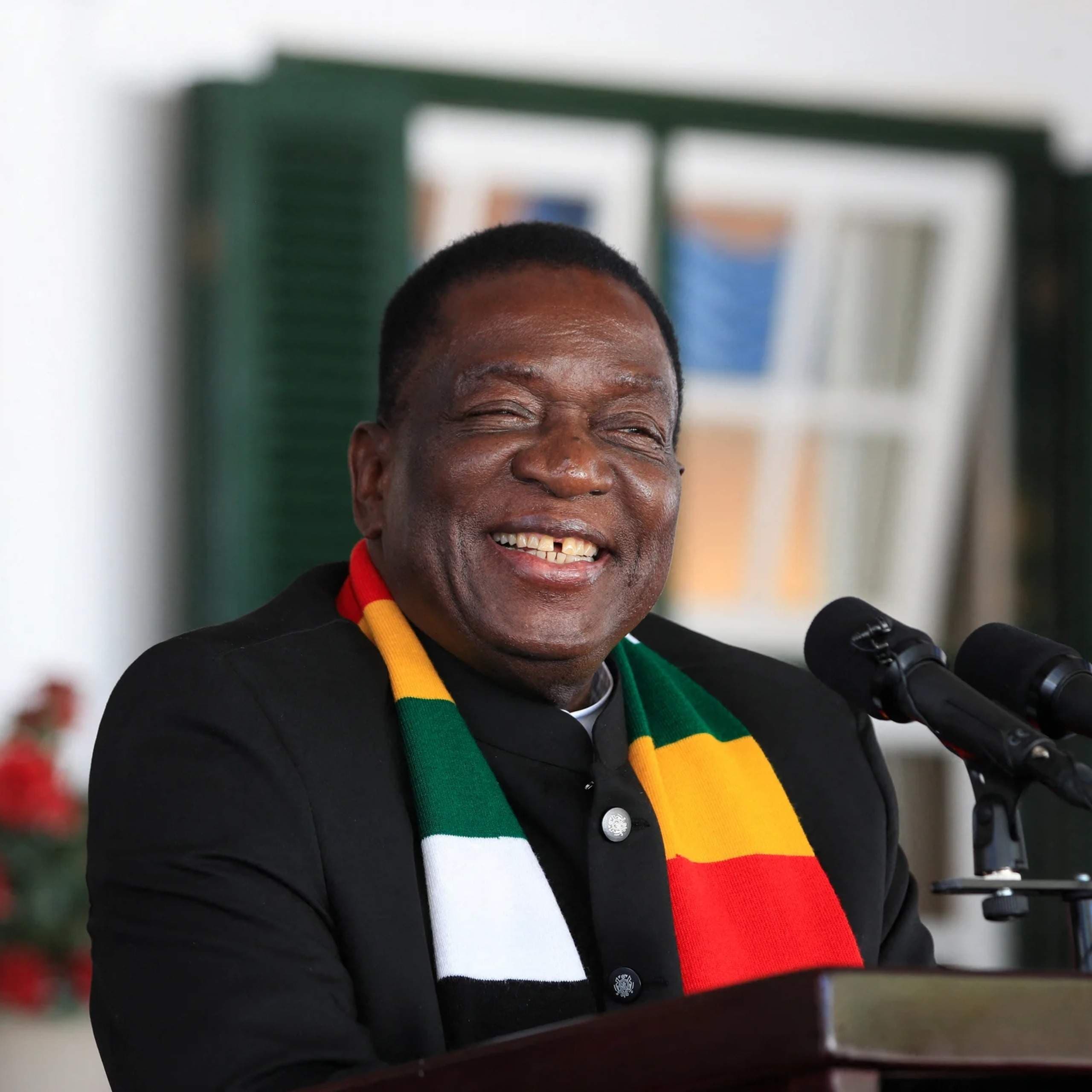
Human Rights Watch says opponents of constitutional changes face violence and harassment.
Zimbabwean authorities are using violence and intimidation against opponents of constitutional amendments that could extend the president’s term in office, according to Human Rights Watch.
The proposed changes, approved by cabinet last month, would allow President Emmerson Mnangagwa to remain in power until at least 2030, two years beyond the end of his current term.
CBI News reports that the amendments also include provisions to scrap direct presidential elections and give parliament the authority to choose the country’s president.
The proposals, which have yet to be presented to parliament, have raised concern among opposition figures who warn of growing repression under the 83-year-old leader and his ruling party, ZANU-PF.
Human Rights Watch said that in recent months police officers and unidentified armed men had threatened, harassed and assaulted people who oppose the constitutional changes.
The group cited several incidents, including a March 1 attack on Lovemore Madhuku, leader of the National Constitutional Assembly.
Madhuku later appeared in a video on Facebook showing bruises on his back and said he had been beaten by about five men wearing balaclavas who were accompanied by police before a meeting where he planned to speak against the amendments. Police denied involvement.
Human Rights Watch called on authorities to investigate the alleged attacks and prosecute those responsible, including any members of the security forces involved.
Last week, Amnesty International also urged the government to immediately end what it described as an escalating crackdown on peaceful dissent, saying public meetings had been banned while critics were attacked, arbitrarily detained and silenced.