


Xenophobia in South Africa: Enough is Enough- CBI News Editorial Board
Last update: May 4, 2026
Disclaimer: This website may contain affiliate links, which means we may earn a commission if you click on the link and make a purchase. We only recommend products or services that we personally use and believe will add value to our readers. Your support is appreciated!
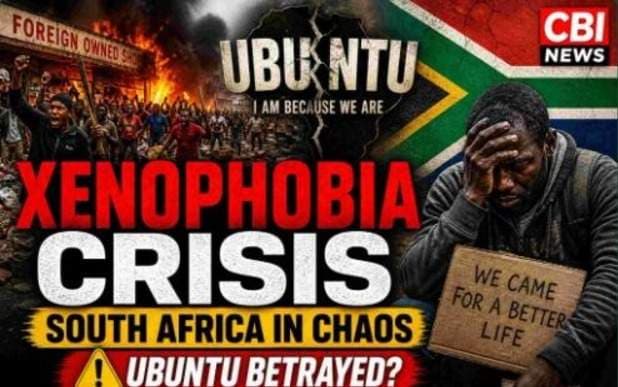
Ubuntu is a Bantu philosophy rooted in the belief that “I am- because we are.” It reflects the values of shared humanity, compassion, mutual respect, and collective identity. Ubuntu is not simply a cultural phrase; it is a moral framework that defines how communities coexist, care for one another, and uphold human dignity. Across Southern Africa, Ubuntu has long represented a commitment to solidarity the understanding that no individual or nation thrives in isolation.
As a pan-Africanist media platform, CBI News therefore finds it profoundly troubling that xenophobic violence and hostility continue to emerge in South Africa against fellow Africans. Such conduct stands in direct contradiction to the spirit of Ubuntu. Xenophobia is incompatible with the ideals that guided South Africa’s liberation struggle and completely unacceptable in a continent still striving for unity, economic integration, and shared prosperity. There have been repeated reports of violence directed toward Nigerians, Zimbabweans, Mozambicans, Ethiopians, Somalis, and other African migrants. Businesses owned by foreign nationals have been looted or destroyed. Individuals have faced harassment, threats, and physical attacks.
Several waves of xenophobic unrest have drawn international concern over the years, with tragic consequences including injuries, deaths, displacement, and fear among migrant communities.
The issue extends beyond isolated criminality. It reflects deeper societal tensions linked to unemployment, inequality, political rhetoric, and frustrations around economic opportunity.
South Africa’s freedom did not emerge in isolation. It was nurtured and sustained by the support of countless African nations and global allies who believed apartheid was an affront to humanity.
For decades, Nigeria stood firmly against apartheid through diplomacy, activism, financial support, and political pressure. Successive Nigerian governments championed South Africa’s liberation at international forums, funded anti-apartheid organizations, and welcomed South African exiles.
Nigeria established the Southern African Relief Fund, through which millions of dollars were contributed to support the anti-apartheid movement. Nigerian students and workers voluntarily donated portions of their earnings to assist liberation efforts. Nigeria became one of the loudest African voices advocating sanctions against the apartheid regime.
Prominent Nigerian figures also stood on the frontlines of the struggle including Chief Olusegun Obasanjo, M.K.O Abiola, Wole Soyinka, joined by the likes of Kwame Nkrumah, Julius Nyerere, Kenneth Kaunda and Ahmed Sekou Toure to consistently advocate for African liberation and used diplomatic influence to strengthen anti-apartheid campaigns.
Nigeria and South Africa represent two of Africa’s largest economies and often influence policy direction within the African Union and broader continental affairs.
Economically, Nigerian entrepreneurs, professionals, students, and investors have contributed meaningfully to South Africa’s economy. Likewise, South African businesses have expanded aggressively into Nigeria across sectors such as telecommunications, retail, banking, hospitality, and entertainment.
CBI News calls on the African Union (AU), regional economic communities, and all African heads of state to issue a clear, unanimous, and forceful condemnation of xenophobic violence in South Africa. Anything less than a strong, principled stance risks normalizing hatred and emboldening future attacks. Silence or vague statements are no longer acceptable.
Furthermore, CBI News urges African governments and citizens to seriously consider a coordinated, principled economic boycott of South African businesses operating across the continent. This measure should remain in place until the South African government demonstrates concrete, verifiable, and sustained action to protect foreign nationals, prosecute perpetrators, and dismantle the structures that fuel xenophobia.
South African companies derive significant revenue and growth from African markets. With these benefits comes a fundamental responsibility: to operate in an environment where fellow Africans are treated with dignity, safety, and respect. Economic leverage, when applied strategically and collectively, remains one of the most effective tools for driving meaningful reform and accountability.
Africa must stand together, not just in rhetoric, but in decisive action to protect the lives, rights, and dignity of all its people.