


World Humanitarian Day: The 2003 Baghdad Bombing Behind 19 August
Last update: August 19, 2026
Disclaimer: This website may contain affiliate links, which means we may earn a commission if you click on the link and make a purchase. We only recommend products or services that we personally use and believe will add value to our readers. Your support is appreciated!
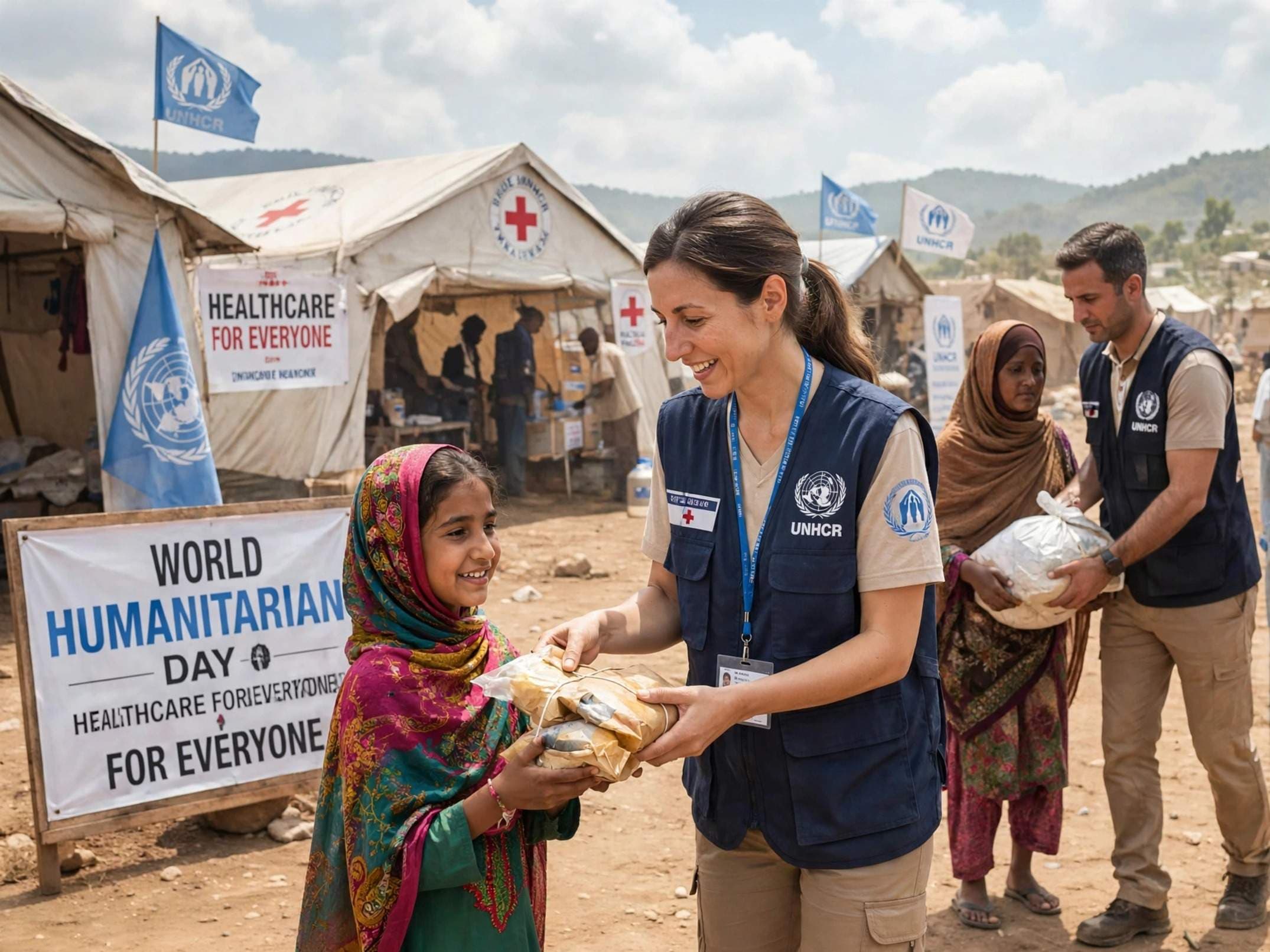
22 people went to work and never came home. That single, horrific moment in Baghdad is why the whole world stops on 19 August.
You’ve probably seen the hashtag floating around today, but do you actually know why we mark World Humanitarian Day?
It’s not just another UN observance. It’s a day to honour the people who run towards the danger – into war zones, earthquake rubble, flooded villages and famine-hit camps – when everyone else is trying to get out. And to remember those who paid the ultimate price doing it.
As reported by cbinews.tv, here’s the story in a nutshell:
On 19 August 2003, a suicide truck bomb ripped through the Canal Hotel in Baghdad, which was serving as the UN headquarters in Iraq. 22 humanitarian workers were killed, including the UN’s top envoy in Iraq, Sérgio Vieira de Mello, and more than 150 others were wounded. It was described at the time by then Secretary-General Kofi Annan as one of the darkest days in UN history.
Five years later, the UN General Assembly made it official. On 11 December 2008, it passed Resolution A/63/139 designating 19 August as World Humanitarian Day, and the first formal observance was held in 2009.
That’s the history. The present? It’s bleaker than ever.
We like to think international law protects aid workers, but the numbers tell a very different story. According to the UN and the Aid Worker Security Database, 2024 was the deadliest year on record – more than 383 humanitarian workers killed while delivering food, water, shelter and medicine. Nearly half of those deaths – 181 – were in Gaza alone.
And 2025 isn’t looking any better. By August this year, a further 265 aid workers had already lost their lives, with at least 202 more wounded or abducted. Save the Children now estimates that, on average, one aid worker has been killed, injured, kidnapped or detained every single day since 2000.
The most sobering detail? Most of those killed aren’t expats flying in. They’re local, national staff – nurses, drivers, logisticians – serving their own communities, attacked in clearly marked convoys and even in their own homes.
So today isn’t just about a hashtag. It’s a call to action. Under international humanitarian law, aid workers are protected. In reality, they are being targeted. As UN Emergency Relief Coordinator Tom Fletcher puts it, even one attack on a humanitarian is an attack on all of us.
If you can today, take a minute to read a name, share a story, or support a frontline organisation. Courage deserves more than just a like.
Source: cbinews.tv
#WorldHumanitarianDay #WHD2025 #CanalHotelBombing #HumanitarianHeroes #AidWorkers #NotATarget #SergioVieiraDeMello #UnitedNations #cbinews