

World Breastfeeding Week: Why Support is Everything
Last update: August 3, 2026
Disclaimer: This website may contain affiliate links, which means we may earn a commission if you click on the link and make a purchase. We only recommend products or services that we personally use and believe will add value to our readers. Your support is appreciated!
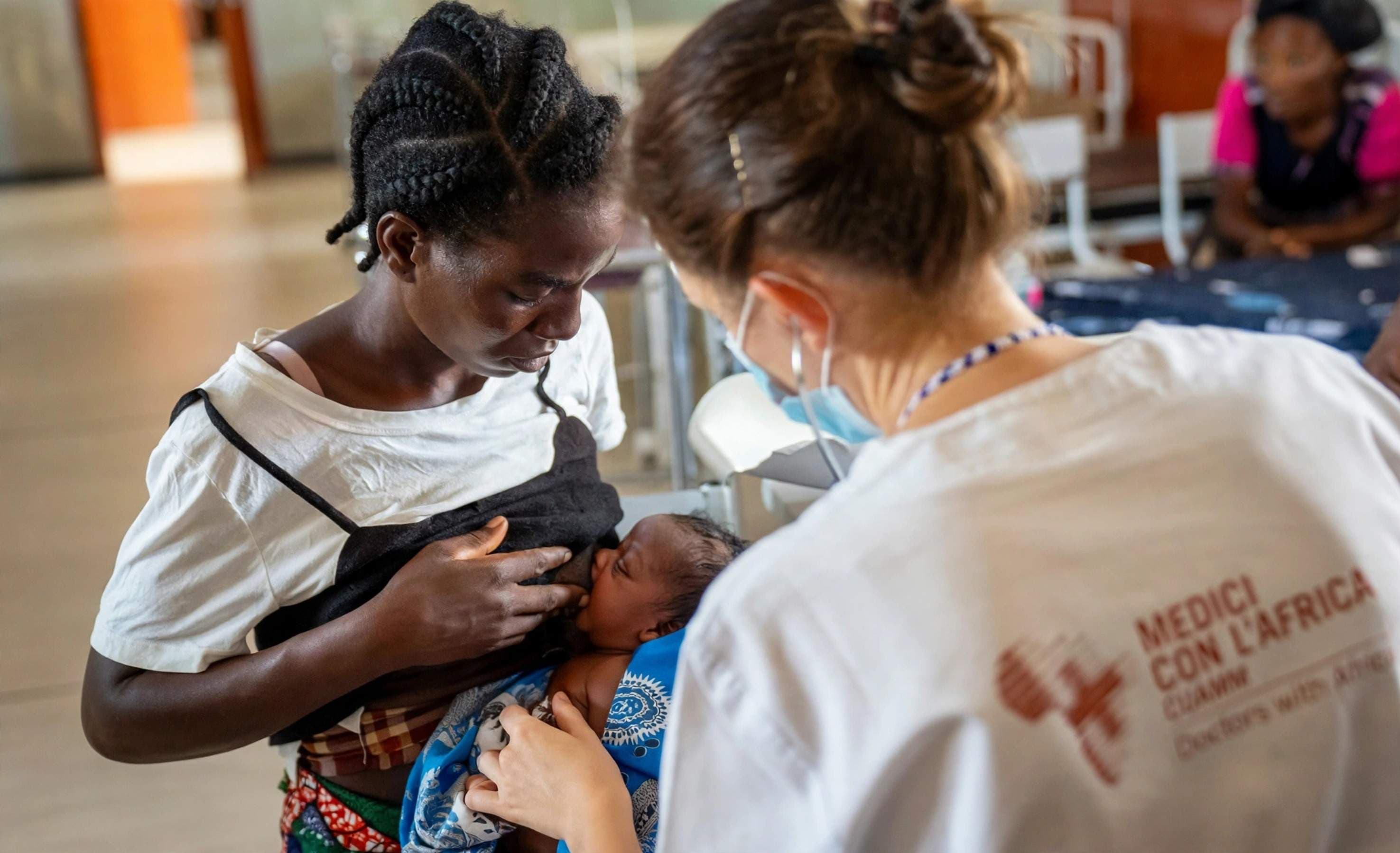
Here’s a stat that stops you in your tracks – not breastfeeding exclusively in the first six months makes a baby up to 14 times more likely to die before their first birthday. As World Breastfeeding Week kicks off, the message from Indonesia is loud and clear: mums shouldn’t have to do this alone.
As we mark World Breastfeeding Week 2026, running from 1st to 7th August, there’s a lot to talk about. This year’s theme says it all: "Breastfeeding for a Sustainable Start in Life – Strengthen What Works."
And that’s exactly what UNICEF and WHO in Indonesia are calling for, according to cbinews.tv – let’s double down on what we know actually works to protect, promote and support breastfeeding.
It’s not just a health issue; it’s a future issue. Think of it as an investment in Indonesia’s children, its mums, and its human capital – the very foundation of Indonesia Emas 2045.
And Indonesia has actually got something to celebrate.
The country has made some really encouraging progress. Exclusive breastfeeding for babies aged 0-5 months has jumped from 52 per cent in 2017 to 66.4 per cent in 2024. That’s already smashed the World Health Assembly’s global target of 60 per cent by 2030. How? Stronger policies, better training for health and community workers, and weaving breastfeeding support into everyday maternal and child health services.
But, as cbinews reports, the job isn’t done yet.
As UNICEF Indonesia Representative, Maniza Zaman, put it: “Every child has the right to the best possible start in life, and breastfeeding is one of the most powerful ways to help realise that right. Supporting breastfeeding is also an investment in Indonesia's future, helping to build a healthier, more resilient generation that can reach its full potential.”
She added that it’s a shared job: “Breastfeeding is a shared responsibility. Families, health workers, employers, communities and governments all have a role to play in creating an environment where mothers feel informed, supported and encouraged to breastfeed.”
That sentiment was echoed by Dr N. Paranietharan, WHO Representative to Indonesia, who said: “Breastfeeding is one of the most powerful acts of love and protection a mother can give her child. Yet no mother should have to do it alone. Every mother deserves trusted support, quality health services and protection from the inappropriate marketing of breastmilk substitutes.”
And when you look at the numbers, you see why this matters so much.
In Indonesia, inadequate breastfeeding is estimated to cost children nearly 5.8 million IQ points every single year – with lifelong knock-on effects on education, productivity and earnings. On the flip side, getting it right could prevent more than 8,000 child deaths and 4,200 maternal deaths each year, save over US$60 million in healthcare costs, save families almost US$600 million on formula, and generate economic gains of up to US$5 billion annually. Plus, it lowers mums’ risk of breast and ovarian cancers and type II diabetes.
On the policy front, Indonesia has been strengthening its framework with Health Law No. 17 of 2023, its implementing regulation No. 28 of 2024, and Law No. 4 of 2024 on Maternal and Child Welfare during the First 1,000 Days of Life. Together, they boost maternity protection and clamp down on the marketing of breast-milk substitutes.
The gap? Despite nearly 90 per cent of births happening in health facilities, data from the 2023 Indonesian Health Survey (SKI) shows only about one in four newborns are breastfed within the first hour. And too many children stop breastfeeding well before the recommended age of two.
What needs to happen now, as highlighted by cbinews.tv, is making every contact count – from antenatal appointments and birth to postnatal care, immunisations, growth monitoring, Posyandu and Mother Support Groups.
Add to that accurate, evidence-based information for families to counter aggressive formula marketing, plus proper parental leave and breastfeeding-friendly workplaces, and you’ve got a system where every mum actually has a chance.
As UNICEF and WHO stress, it’s about enforcement of the good laws already on the books, and sustained commitment from all of us – so every mother feels supported, and every baby gets that healthiest possible start.
Source: UNICEF / WHO Indonesia via cbinews.tv
#WorldBreastfeedingWeek #WBW2026 #Breastfeeding #MaternalHealth #ChildHealth #UNICEF #WHO #Indonesia #IndonesiaEmas2045 #BreastfeedingSupport #First1000Days #CBInewsTV