

WHO Says Ebola Vaccine may Take Nine Months
Last update: May 20, 2026
Disclaimer: This website may contain affiliate links, which means we may earn a commission if you click on the link and make a purchase. We only recommend products or services that we personally use and believe will add value to our readers. Your support is appreciated!
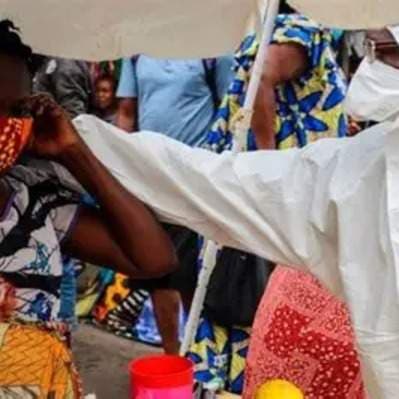
The World Health Organization has warned that it could take as long as nine months before a vaccine for the current strain of Ebola is ready, as the outbreak continues to spread across DR Congo and into neighbouring Uganda.
According to reports monitored by cbinews.tv, WHO officials say two possible vaccines for the Bundibugyo strain of Ebola are currently being developed, but neither has completed clinical trials yet.
WHO adviser Dr Vasee Moorthy revealed on Wednesday that although work is ongoing, there is still no approved vaccine for this particular species of the virus.
Meanwhile, WHO Director-General Dr Tedros Adhanom Ghebreyesus disclosed that there are now about 600 suspected Ebola cases and 139 suspected deaths linked to the outbreak.
He added that the figures are expected to increase because it took time before the virus was properly detected.
So far, 51 confirmed cases have been recorded in the Democratic Republic of Congo, where the outbreak began, while neighbouring Uganda has confirmed two cases in Kampala. Sadly, one of those patients has died after travelling from DR Congo.
Although the WHO declared the outbreak a public health emergency of international concern on Sunday, officials stressed that the situation has not reached pandemic level.
“WHO assesses the risk of the epidemic as high at the national and regional levels and low at the global level,” Dr Tedros explained during a briefing in Geneva.
Health workers on the ground say hospitals and treatment centres are already struggling to cope. Some facilities reportedly lack enough protective equipment, leaving frontline workers exposed.
Médecins Sans Frontières emergency programme manager Trish Newport said overwhelmed hospitals have been pleading for help, warning: “We are full of suspect cases. We don’t have any space.”
Most confirmed cases have been traced to eastern DR Congo, particularly Ituri and North Kivu provinces, including two gold-mining towns where infections appear to be spreading rapidly.
Residents are also changing daily habits in response to the outbreak. Araali Bagamba, a lecturer living in Bunia, confirmed that people have stopped shaking hands out of fear of infection.
“For the last three days I haven’t shaken anyone’s hand,” she said. “It’s our habit to shake hands all the time, but the habit has changed.”
Ebola spreads through direct contact with bodily fluids or broken skin and can lead to severe bleeding and organ failure.
The disease was first identified in 1976 in what is now DR Congo and is believed to have originated from bats.
#Ebola #WHO #DRCongo #Uganda #HealthEmergency #AfricaNews #PublicHealth #OutbreakAlert #cbinewstv #GlobalHealth