

WHO Declares Global Health Emergency as Ebola Death Toll Rises in DR Congo
Last update: May 17, 2026
Disclaimer: This website may contain affiliate links, which means we may earn a commission if you click on the link and make a purchase. We only recommend products or services that we personally use and believe will add value to our readers. Your support is appreciated!
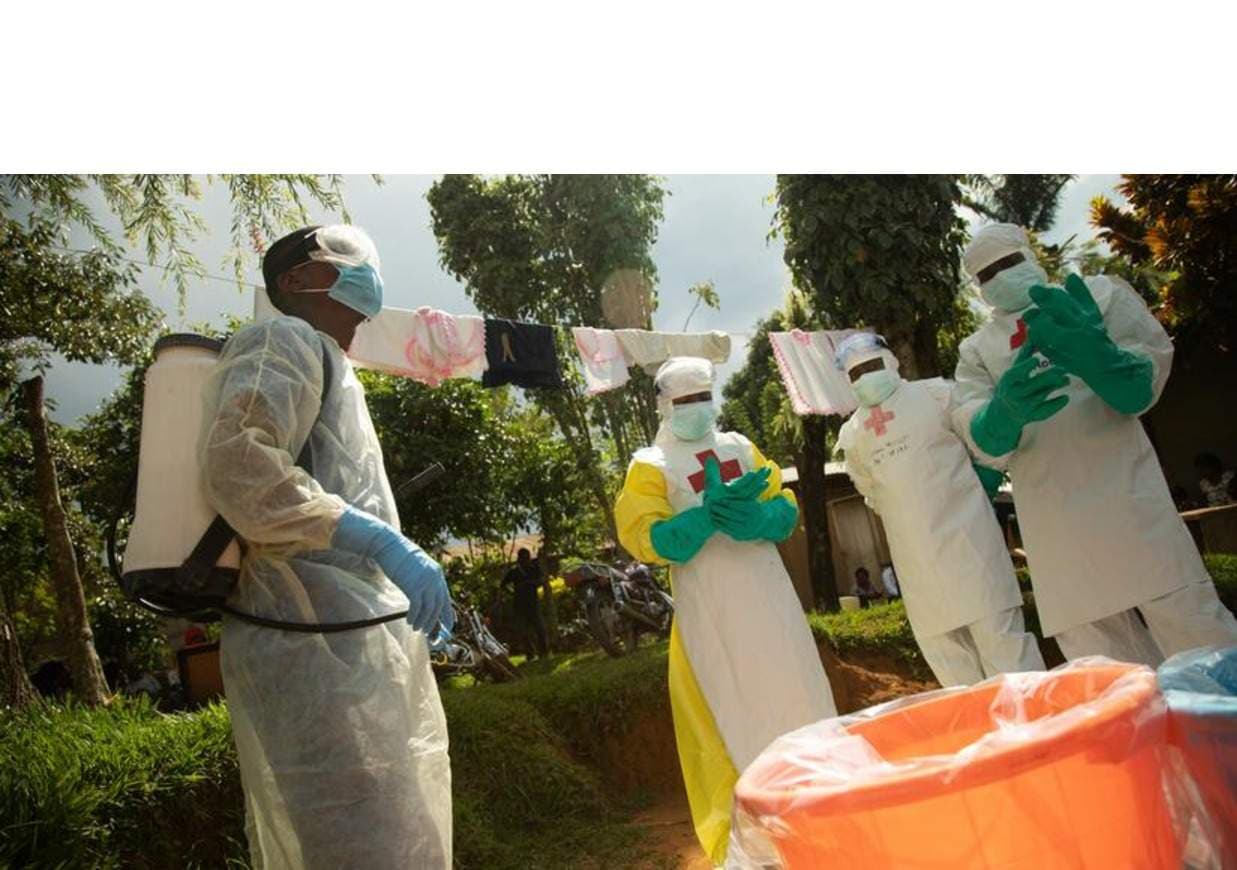
The World Health Organization has declared an international health emergency after a deadly Ebola outbreak in the Democratic Republic of Congo killed more than 80 people, with officials warning that there is currently no vaccine for the strain involved.
According to cbinews.tv, the World Health Organization (WHO) has declared the ongoing Ebola outbreak in the Democratic Republic of Congo (DRC) an international public health emergency following the rapid spread of the deadly virus across parts of Central Africa.
The outbreak, caused by the Bundibugyo strain of Ebola, has already claimed more than 80 lives, raising fears of a wider regional health crisis.
Data released by the Africa Centres for Disease Control and Prevention (CDC Africa) on Saturday showed that at least 88 people have died, while 336 suspected cases of the highly infectious haemorrhagic disease have been recorded so far.
In a statement issued early Sunday, the Geneva-based WHO classified the outbreak as a “Public Health Emergency of International Concern” — the second-highest alert level under international health regulations.
However, the global health body stopped short of declaring the outbreak a full pandemic emergency, the highest alert category introduced in 2024.
Health authorities say one of the biggest concerns is that there is currently no approved vaccine or specific treatment for the Bundibugyo strain responsible for the outbreak.
“The Bundibugyo strain has no vaccine, no specific treatment,” DR Congo’s Health Minister, Samuel-Roger Kamba, warned.
“This strain has a very high lethality rate, which can reach 50 per cent,” he added.
The Bundibugyo strain of Ebola was first identified in 2007 and is different from the more widely known Zaire strain, for which vaccines already exist.
While the Zaire strain has a higher fatality rate of between 60 and 90 percent, medical experts say the absence of a vaccine for the Bundibugyo variant makes the current outbreak particularly dangerous.
The outbreak was officially confirmed on Friday in Ituri Province in northeastern DR Congo, a region bordering Uganda and South Sudan.
Ugandan authorities have also confirmed that a Congolese national infected with the same strain died after crossing into Uganda, raising fears of cross-border transmission.
International medical aid organisation Doctors Without Borders (MSF) described the situation as “extremely concerning” and announced plans for a large-scale emergency response.
The WHO also warned that the true scale of the outbreak remains unclear due to challenges in surveillance and case tracking in affected communities.
Residents in the affected areas say the situation has become alarming.
“We’ve been seeing people die for the past two weeks,” local civil society representative Isaac Nyakulinda told AFP.
The latest development has renewed concerns over Africa’s preparedness for infectious disease outbreaks, especially in conflict-affected regions where access to healthcare and emergency response systems remains limited.
#Ebola #DRC #WHO #GlobalHealth #AfricaNews #BreakingNews #PublicHealth #Uganda #WorldHealthOrganization #CBINews #cbinewstv #HealthEmergency #EbolaOutbreak #CDC Africa