


WHO Declares Ebola Emergency as Countries Tighten Travel Rules
Last update: May 27, 2026
Disclaimer: This website may contain affiliate links, which means we may earn a commission if you click on the link and make a purchase. We only recommend products or services that we personally use and believe will add value to our readers. Your support is appreciated!
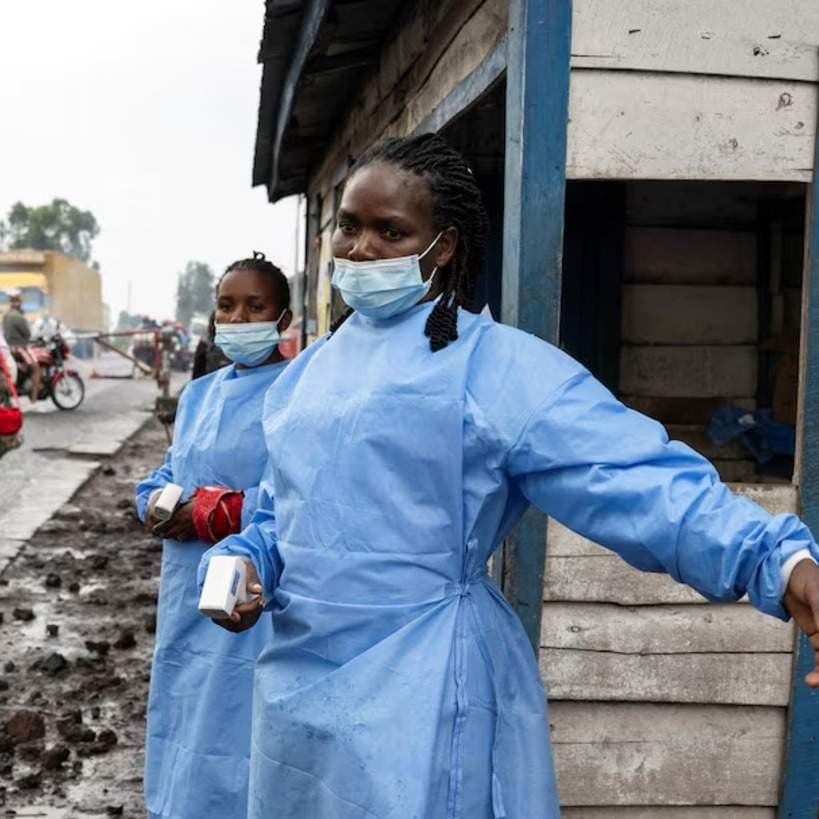
The world is on high alert again. After the WHO declared Ebola a global health emergency, countries from the US to Thailand are racing to shut the door on the virus.
On Saturday 17 May, the World Health Organization declared the Ebola outbreak in the Democratic Republic of Congo a Public Health Emergency of International Concern. The WHO said there is a high risk it could spread to neighbouring countries, and governments have not wasted time responding, cbinews.tv reports.
The US moved first. Last week, Washington banned non-citizens who had travelled to the DRC, Uganda or South Sudan from entering the country.
On Friday, the Centers for Disease Control and Prevention extended that ban to green card holders who had been in those countries in the previous 21 days.
The CDC also added Hartsfield Jackson Atlanta International Airport to its travel funneling list, alongside Washington Dulles. US passport holders coming back from affected regions are being escorted to designated screening areas for temperature checks, travel history verification and symptom tracking.
Uganda shut its border with the DRC on Wednesday, effective immediately for four weeks. Ebola response teams, humanitarian and security operations, and food and cargo transport are exempt. Senior health official Diana Atwine told a press conference that anyone authorised to enter Uganda from Congo would face mandatory self isolation for 21 days.
Canada followed on Tuesday. Residents from the DRC, Uganda and South Sudan are banned from entering for 90 days starting Wednesday. Canadian citizens, permanent residents and other foreign nationals who have been in affected areas recently and do not have symptoms will have to quarantine for 21 days from 30 May, Canada’s public health agency said.
The Bahamas also imposed a ban on residents from the three countries for 30 days, effective Tuesday. The government announced enhanced health screenings and possible quarantines for foreigners who were present in those countries within 30 days of arriving.
India has rolled out screening and surveillance at airports and other entry points, issued precautionary advisories, and urged citizens to avoid non essential travel to Congo, Uganda and South Sudan.
Jordan suspended the entry of travellers arriving from the DRC and Uganda on 19 May, according to the state agency. Bahrain did the same for 30 days for foreign travellers coming from South Sudan, the DRC and Uganda.
The Cayman Islands brought in enhanced screening on 20 May after a flight landed with two passengers who had recent travel history to the DRC.
Thailand is channelling all arrivals from the DRC and Uganda through Suvarnabhumi Airport for screening. Travelers from or through those countries must quarantine for at least 21 days if they have no symptoms and will be referred to isolation for at least 21 days if they show Ebola compatible symptoms.
Kenya has stepped up screening at high-risk points of entry, coordinated by the Kenya National Public Health Institute under the National Incident Management System. Isolation and holding facilities have been activated at designated border locations.
The European Union’s Health Security Committee said on Friday that entry screenings were not necessary for passengers from the DRC and Uganda, citing low risk to the population.
Mexico’s Health Secretary David Kershenovich outlined tighter Ebola screening at airports on Monday, urged the public to avoid travel to Congo, and asked arrivals from the country to observe a 21-day quarantine.
#Ebola #WHO #PublicHealthEmergency #TravelBan #DRC #Uganda #SouthSudan #cbinews #GlobalHealth #Screening