


What is Hantavirus? Everything to Know About the Deadly Rodent-Borne Virus
Last update: May 7, 2026
Disclaimer: This website may contain affiliate links, which means we may earn a commission if you click on the link and make a purchase. We only recommend products or services that we personally use and believe will add value to our readers. Your support is appreciated!
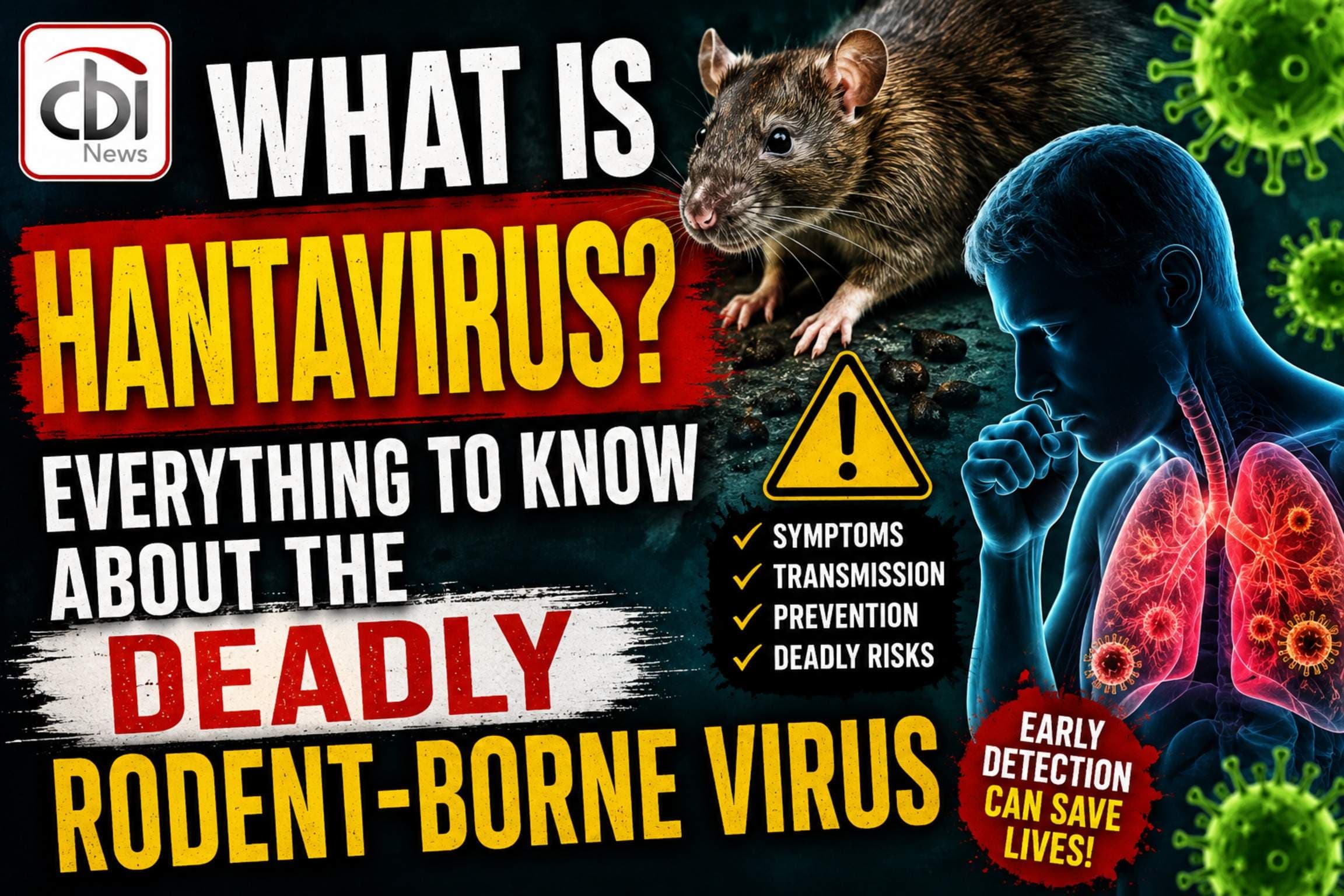
A tiny virus carried by rats and mice can turn deadly within days. From flu-like symptoms to severe lung failure, Hantavirus remains one of the world’s most dangerous rodent-borne diseases. CBI News notes health experts warn that early detection could mean the difference between life and death.
Hantavirus is a rare but potentially deadly virus spread mainly through contact with infected rodents, especially rats and mice. Humans can become infected after inhaling virus particles from rodent urine, droppings, or saliva.
The disease has gained global attention over the years because of its high fatality rate and rapid progression in severe cases.
How Hantavirus Spreads
Health experts say the virus is commonly transmitted when people:
Sweep or clean rodent-infested areas
Inhale contaminated dust particles
Touch infected surfaces and then touch their nose or mouth
Consume food contaminated by rodents
Get bitten by infected rodents in rare cases
Unlike some viral infections, Hantavirus is generally not spread from person to person in most strains.
Common Symptoms Of Hantavirus
Early symptoms often resemble the flu, making the disease difficult to detect at first.
Symptoms may include:
Fever and chills
Muscle aches
Fatigue
Headache
Dizziness
Nausea and vomiting
Abdominal pain
As the disease worsens, patients may develop:
Severe breathing difficulty
Chest pain
Persistent cough
Low blood pressure
Fluid buildup in the lungs
In severe cases, it can lead to respiratory failure and death.
Types Of Hantavirus Diseases
There are two major syndromes linked to Hantavirus:
Hantavirus Pulmonary Syndrome (HPS)
Hantavirus Pulmonary Syndrome affects the lungs and is mostly reported in North and South America. It is considered highly dangerous because breathing complications can worsen rapidly.
Hemorrhagic Fever With Renal Syndrome (HFRS)
Hemorrhagic Fever with Renal Syndrome mainly affects the kidneys and is more common in parts of Europe and Asia.
Is Hantavirus Deadly?
Yes. According to health authorities, some strains of Hantavirus have mortality rates ranging from 30% to 40%, especially when treatment is delayed.
There is currently no specific cure or approved antiviral treatment for Hantavirus, but early hospital care and supportive treatment can improve survival chances.
How To Prevent Hantavirus
Experts recommend the following safety measures:
Keep homes and surroundings free from rats and mice
Seal holes and entry points in buildings
Store food properly
Avoid sweeping dry rodent droppings directly
Use disinfectants and protective gloves when cleaning contaminated areas
Dispose of waste properly
When To Seek Medical Help
Anyone experiencing flu-like symptoms after exposure to rodents or rodent-infested environments should seek urgent medical attention immediately.
Doctors warn that early diagnosis and treatment remain critical in preventing severe complications.
#Hantavirus #HealthAlert #PublicHealth #VirusOutbreak #RodentBorneDisease #HealthNews #MedicalNews #DiseasePrevention #BreakingNews #HealthAwareness #InfectiousDiseases #GlobalHealth