

Uvira Residents Lament Non-enforcement of Ceasefire Deal
Last update: February 19, 2026
Disclaimer: This website may contain affiliate links, which means we may earn a commission if you click on the link and make a purchase. We only recommend products or services that we personally use and believe will add value to our readers. Your support is appreciated!
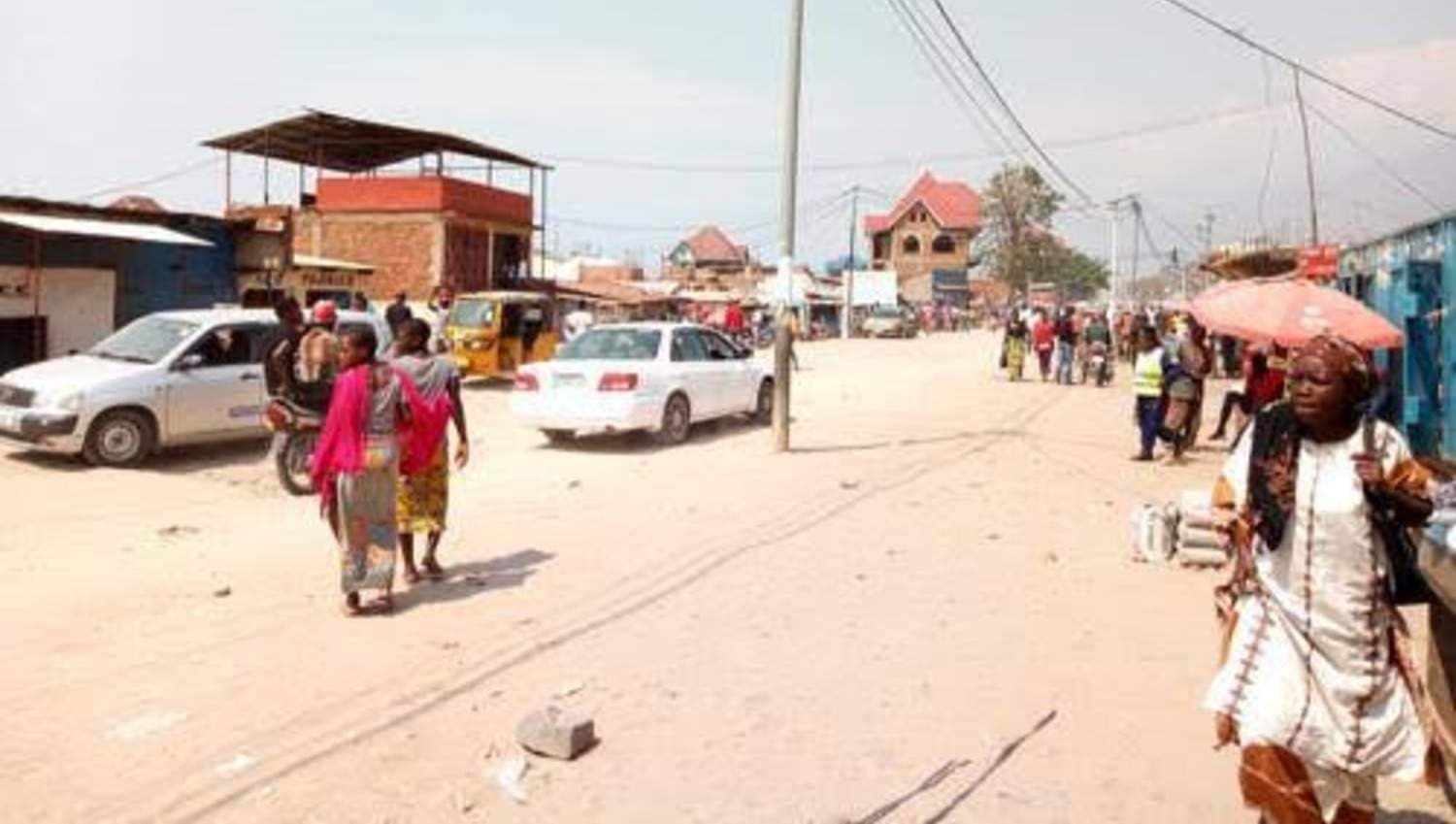
Residents say ceasefire still 'on paper only'....
Residents of Uvira said that they have seen no real change on the ground after the ceasefire between the government of the Democratic Republic of the Congo and the M23 group.
The deal took effect on 18 February, 2026.
The truce, announced under mediation by Angolan President Joao Lourenco, stopped clashes in parts of the High and Middle Plateaux surrounding the city. Military vehicles were observed in Uvira, while some residents described continued insecurity in nearby villages.
"Here, in the city and territory of Uvira, there is still war in the High and Middle Plateaux," Mapenzi Manyebwa, a civil society actor, said. "People are no longer in their homes in villages like Lemera and Kashatu. Civilians are still being displaced, and daily life has not returned to normal."
"If the ceasefire were to have a positive impact on civilian protection, on peace and on social cohesion, it would be very beneficial. But so far, it has not brought any improvement," he added.
Political analyst Basimise Burumba Lebon said that "a ceasefire was a necessary step toward dialogue, but it must be effectively implemented."
"The prolonged insecurity has disrupted movement, trade and schooling. Residents hope for a genuine de-escalation that would allow economic and social activity to resume," said humanitarian worker Good Luck Heritier, highlighting the impact on civilians.
Uvira, located in South Kivu province near the Burundi border, faced grow instability in recent months amid renewed offensives by the M23 in eastern DRC.