

Uvira Families get Aid After Returning to Looted Homes
Last update: March 30, 2026
Disclaimer: This website may contain affiliate links, which means we may earn a commission if you click on the link and make a purchase. We only recommend products or services that we personally use and believe will add value to our readers. Your support is appreciated!
The aid follows acute shortages following M23 withdrawal...
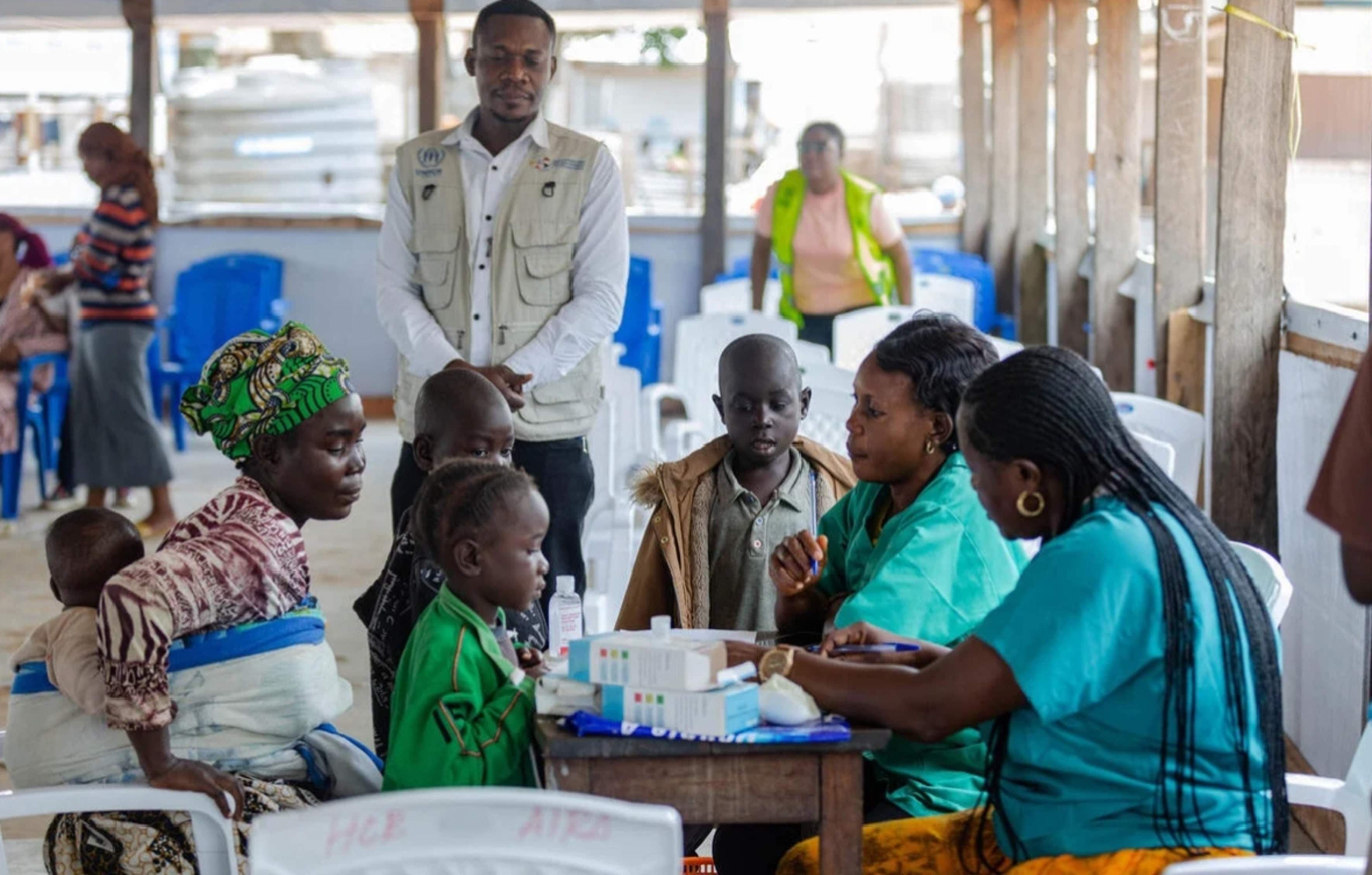
Humanitarian workers distributed aid and essential supplies to displaced residents who returned to Uvira, South Kivu.
This followed the withdrawal of the M23 group from parts of the city, as fighting continued despite a US-mediated peace effort.
Footage filmed on Friday March 27, 2026, showed aid workers who briefed returnees before they handed out basic household items and hygiene supplies to families.
Volunteers unloaded aid from the truck while aid workers checked identity documents before registration.
"We went through a very difficult time when the M23 rebels arrived here [...] we were looted, our belongings were stolen, our clothes and other household items were taken," said Sahagano Ngco.
"These items will help us a lot. We will wear this loincloth because we didn't have enough, and these two jerrycans will help us store drinking water and water for household chores," she added.
Another returnee said cholera cases in the area were making an already dire situation even worse.
"The urgent situation here is that we have cholera, and there are no toilets. If other organisations can afford to build us toilets, well, the food emergency is still here," he said.
By mid-March 2026, South Kivu had recorded more than 1,800 active cholera cases, with Uvira among the three worst-affected areas. UNICEF said only 15 per cent of people in the region had access to basic sanitation.
This underscored the scale of the public health challenge.
"Today they gave us food, they gave us seeds, yes, but there's no harvest to be expected today. We ask that they continue to help us, encourage people in agriculture, and help them achieve complete security," he continued.
Victoire Nakabuya, coordinator of the Union of Women for Peace, said the project aims to provide essential items to 1,330 people in coordination with local partners and other organisations.
"Our target group is women and girls of reproductive age. We provided NFI-WASH kits and dignity kits for women and girls. That's our target group," she said.
At the end of February, the humanitarian organisation Geneva Call and the AFC-M23 movement signed an agreement which established a humanitarian dialogue and roadmap for the protection of the civilian population in North and South Kivu of the eastern Democratic Republic of Congo.
M23 fighters briefly captured Uvira, a key transit hub on Lake Tanganyika near the Burundian border, in December before withdrawing under US pressure. Congolese forces re-entered the city last month, but clashes between government troops and M23 have continued across North and South Kivu, with both sides accused of violating the truce.