


US Strikes Iran Radar; Kuwait Condemns Attacks
Last update: June 1, 2026
Disclaimer: This website may contain affiliate links, which means we may earn a commission if you click on the link and make a purchase. We only recommend products or services that we personally use and believe will add value to our readers. Your support is appreciated!
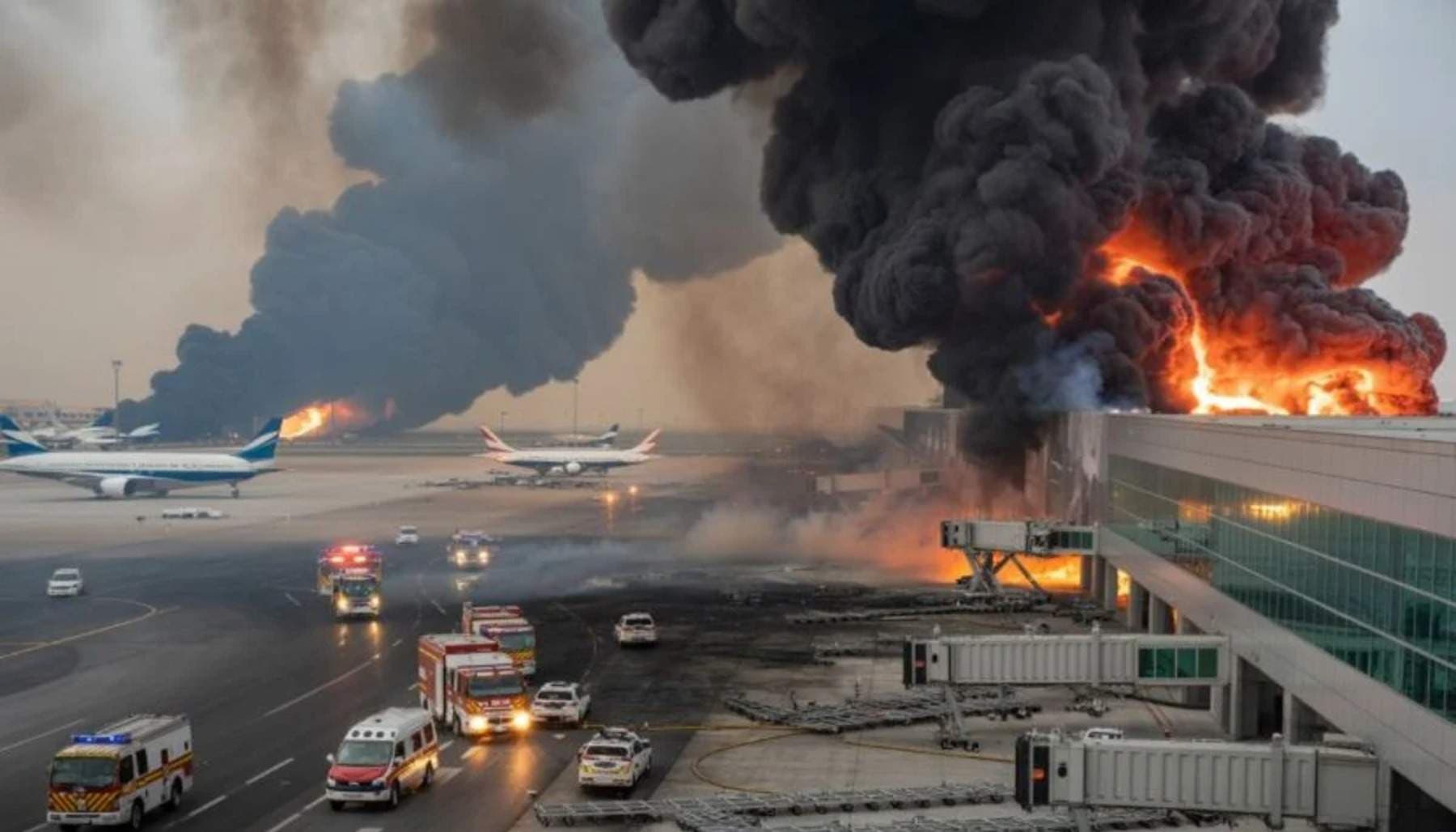
Things are heating up again in the Gulf — the US and Iran have traded blows over the weekend, and Kuwait’s now caught in the crossfire. Here’s what went down, as reported by cbinews.tv.
So, what actually happened?
Over the weekend, the US said it hit Iranian military sites, and Tehran fired back by targeting an American base. That’s three flare-ups in just a week around the Strait of Hormuz — that narrow but vital shipping lane that carries about a fifth of the world’s oil and gas.
According to cbinews.tv, US Central Command (Centcom) called its actions “self-defence strikes”. They say it was in response to “aggressive Iranian actions”, including a US drone being shot down over international waters.
Iran’s Islamic Revolutionary Guard Corps (IRGC) had a different story. They claim they hit an air base used by US forces after an American attack on southern Iran.
Kuwait gets dragged in
Kuwait said its air defences had to deal with “hostile” missiles and drones early Monday. Its foreign ministry didn’t hold back either — they condemned what they called “heinous and repeated Iranian attacks”, saying it was a “dangerous escalation” and a direct assault on Kuwait.
Kuwait’s military reported air raid sirens sounding across the country as they confronted the attacks. They also noted Tehran had targeted an air base in Kuwait last week, apparently in retaliation for earlier US air strikes meant to stop Iranian boats laying mines in the shipping channel.
Donald Trump jumped on Truth Social early Monday telling critics to “sit back and relax”. He reckons “it will all work out well in the end” and that Iran “really wants to make a deal, and it will be a good one for the USA”.
Why now? Talks have stalled
All this comes after ceasefire negotiations broke down over the weekend. A temporary ceasefire has technically been in place since 8 April, but a permanent deal is proving tricky.
US media reports Trump asked for changes to the terms. *cbinews.tv* notes, citing CBS News, that the changes relate to the Strait of Hormuz shipping channel and the removal of highly enriched uranium. The White House hasn’t commented.
Iran isn’t happy either. Its foreign ministry spokesman said the US was “constantly changing its views and putting forward new or contradictory demands”, which naturally “prolong negotiations”. Tehran’s chief negotiator said Sunday they won’t sign anything unless Iranian rights are “fully secured”.
The strikes in detail
Centcom said US fighters hit Iranian air defences, a ground control station, and two drones near Goruk and Qeshm Island in the Strait of Hormuz on Saturday and Sunday. They said the drones “posed a clear threat to ships transiting through regional waters”. No American personnel were injured.
Iran called those strikes a ceasefire violation. The IRGC said it targeted the base the US allegedly used to hit a communications tower on Sirik Island, about 40 miles off Iran’s southern coast. They warned their response would be “completely different” if US aggression was “repeated”.
What’s next?
The latest reported terms include a 60-day halt to violence, reopening the Strait of Hormuz, and a framework to restart talks on Iran’s nuclear programme. But Iran’s foreign ministry spokesman Esmail Baghaei denied the nuclear issue was even on the table Monday.
A White House meeting on Friday to finalise a ceasefire extension ended without clarity. So for now, the tension’s still there — and oil prices are already feeling it.
Attribution: Based on reporting by cbinews.tv
Hashtags:
#StraitOfHormuz #USIranTensions #Kuwait #MiddleEastNews #Geopolitics #BreakingNews #OilPrices #Trump #Centcom #IRGC #CbiNewsTv