


US Makes Controversial Deal With CAR to House Deported Migrants
Last update: June 8, 2026
Disclaimer: This website may contain affiliate links, which means we may earn a commission if you click on the link and make a purchase. We only recommend products or services that we personally use and believe will add value to our readers. Your support is appreciated!
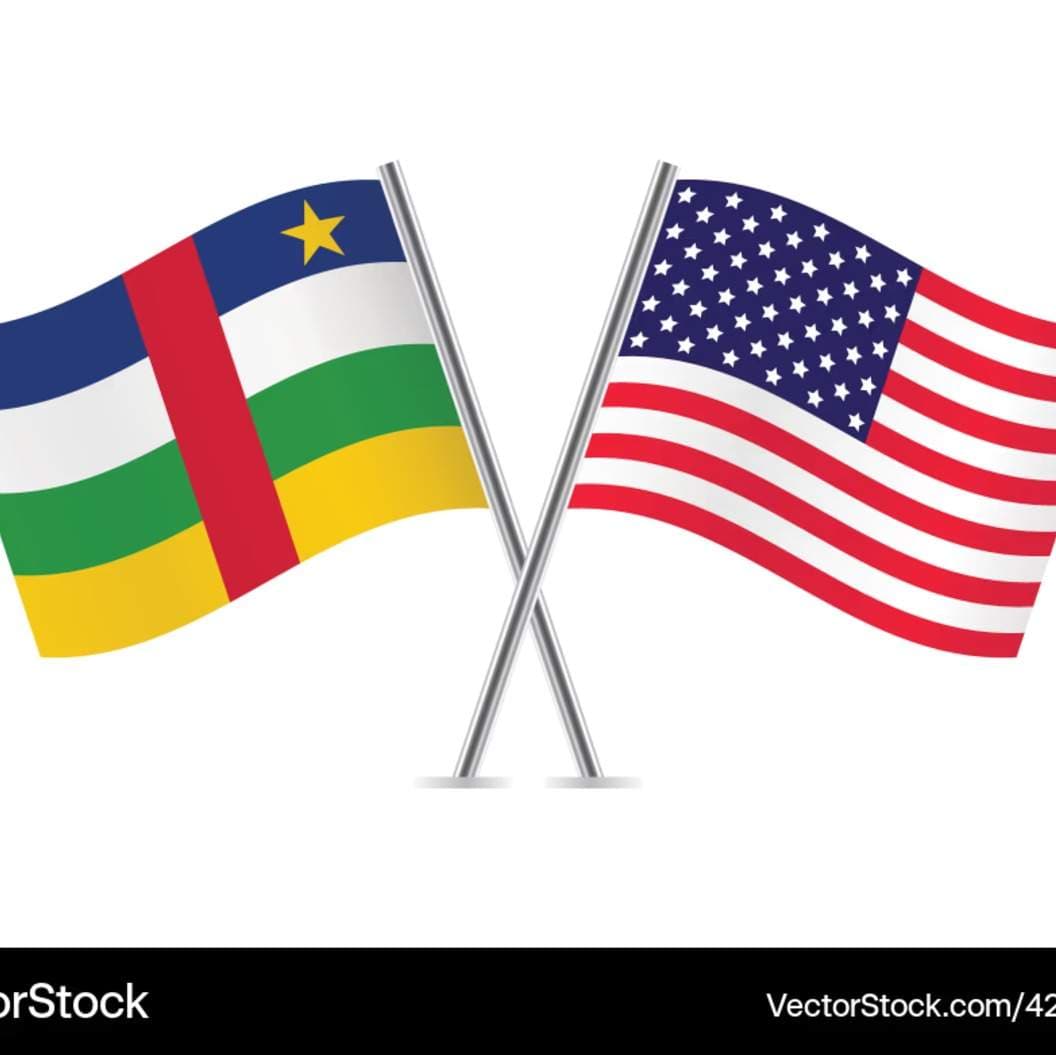
The Trump administration has found a new destination for deported migrants. It is one of the world's poorest and most unstable nations.
Washington has struck a deal with the Central African Republic to take in migrants deported from the US, according to two sources familiar with the matter who spoke to reporters.
This is the latest in a string of agreements the Trump administration has quietly signed with African states to speed up removals.
The US has already sent what are known as "third-country deportees" to places like the Democratic Republic of Congo, Ghana, Sierra Leone and Equatorial Guinea. These deals are not transparent, and Senate Democrats say they have cost tens of millions of dollars.
Many of those deported had actually won legal protection from US immigration courts against being sent back to their home countries. Rights groups argue these third-country agreements are a workaround. They say it is a way for the US to sidestep those protections. Washington, for its part, insists the deportations are completely lawful.
So how did CAR get involved? According to a Central African government official who spoke to cbinews.tv on condition of anonymity, the deal was discussed during a 18 May meeting in Bangui.
The US delegation was led by Christian Jové Ehrhardt, the State Department's deputy assistant secretary in the Bureau of Population, Refugees and Migration.
"Central African Republic will indeed take in, within the framework of agreements with the US, immigrants deported by American authorities," the official confirmed to reporters.
A diplomat based in the region, also requesting anonymity, backed that up. A deal had indeed been reached.
It is a striking choice. CAR has been stuck in cycles of unrest since gaining independence from France in 1960. Most of its 5.5 million people live in poverty. President Faustin-Archange Touadera, who secured a third term in last December’s election, has leaned on Russia for security. But lately he has also been eyeing Western partnerships, especially around critical minerals.
Details are still thin. Neither the CAR government source nor the diplomat could say how many migrants would be sent, what nationalities they are, or when flights might begin. But court filings suggest the process is already underway.
On 22 May, US District Judge Lee Rosenthal issued a temporary restraining order blocking the deportation of a Turkish national. The paperwork noted US officials had planned to remove that person to Central African Republic on 26 May.
#USImmigration #CentralAfricanRepublic #DeportationDeal #TrumpAdministration #ThirdCountryDeportations #USPolitics #MigrationPolicy #HumanRights #CBINews