

US Lifts 12-Year Security Ban on Nigerian Ships
Last update: September 13, 2026
Disclaimer: This website may contain affiliate links, which means we may earn a commission if you click on the link and make a purchase. We only recommend products or services that we personally use and believe will add value to our readers. Your support is appreciated!
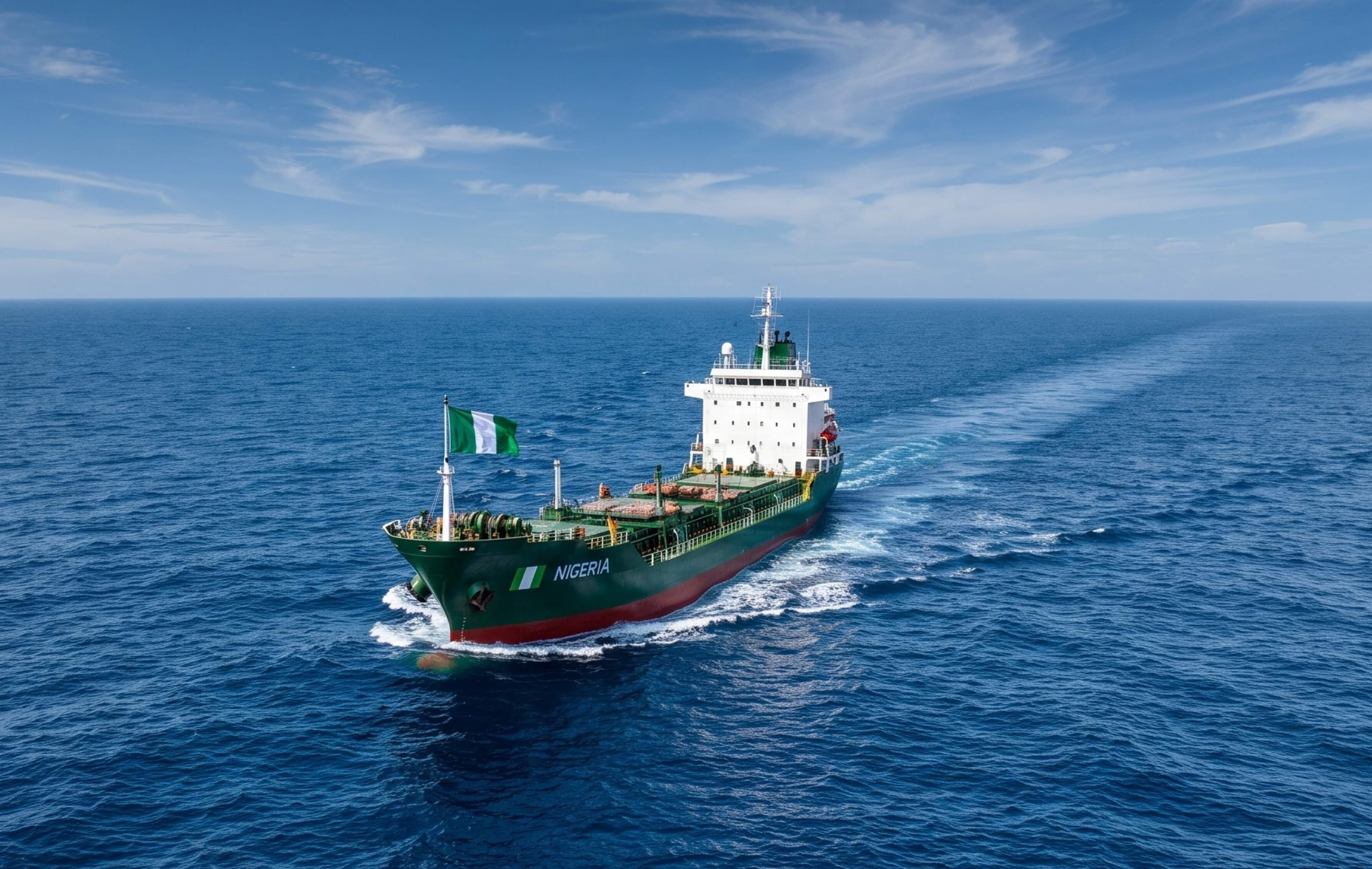
After 12 years in the maritime naughty corner, Nigeria is finally back in America's good books, and it could save shippers millions.
Well, this is big. Properly big.
The United States has officially commended Nigeria and lifted that long-running Condition of Entry that has been hanging over every vessel sailing from Nigeria to America since 2014, reports cbinews.tv.
If you’ve ever wondered why shipping from Lagos to Houston felt so expensive and painfully slow, this was a huge part of it.
Here’s what happened: In a letter dated 26 August 2026 to the Minister of Marine and Blue Economy, Adegboyega Oyetola, the US Assistant Secretary of State for African Affairs, Frank W. Garcia Jr., congratulated Nigeria. Garcia said the move was proof of Nigeria’s “sustained strengthening of port security and anti-terrorism compliance.”
His words: “Please allow me to join you in welcoming the U.S. Coast Guard’s decision to lift the 12-year security restriction... This achievement reflects Nigeria’s sustained strengthening of port security and anti-terrorism compliance.”
He added that it will now reduce security-related costs, improve turnaround times and make schedules actually reliable for once. The US said it values its maritime and economic partnership with Nigeria and looks forward to more collaboration.
Think of it as a red flag. Back in June 2014, the US Coast Guard slapped Nigeria on its International Port Security list for failing to properly implement the ISPS Code — that’s the International Ship and Port Facility Security Code, the global rulebook for keeping ports safe from terrorism after 9/11.
If you were on that list, any ship that called at a Nigerian port before heading to the US had to jump through extra hoops: additional security checks, extra armed guards, more paperwork, enhanced inspections on arrival in the US.
For shipowners, that meant delays, higher insurance premiums, higher freight rates and a reputation hit. Many international liners quietly avoided Nigeria or passed the cost straight to Nigerian importers and exporters.
This didn’t happen overnight. According to the Nigerian Maritime Administration and Safety Agency (NIMASA), the US Coast Guard had to come and inspect us, four times in two years: 11-13 March 2024, 15-19 April 2024, 15-21 March 2025, and 13-17 April 2026.
Only after that final assessment in April did they conclude Nigeria had finally made “significant progress” on ISPS compliance.
Minister Oyetola, reacting to the news, credited President Bola Ahmed Tinubu’s decision to make the Marine and Blue Economy a standalone ministry and a pillar of the economic agenda. He said NIMASA had been central to the years-long engagement.
As cbinews.tv understands, Oyetola put it simply: with the restriction gone, Nigerian ports can now properly compete for international business.
This isn’t just ministry-level back-slapping. It matters on the ground.
For the seafarer stuck at anchor in Apapa waiting for clearance, it means less idle time. For the dockworker in Port Harcourt and Onne, it means more ships willing to call, which means more shifts. For the SME exporter sending cocoa, sesame or cashew to the US, Nigeria’s non-oil exports to the US were worth over $500m last year, it means lower freight costs and less chance your container misses its connection because of a security delay in Newark.
Industry players have long complained the Condition of Entry added thousands of dollars per voyage in compliance costs. Removing it directly cuts operating costs and should, in theory, bring down the price of imported goods over time too.
What’s next?
The US says it appreciates NIMASA’s collaboration and wants continued commitment to “addressing the current high threat environment”, a polite way of saying, don’t slip back.
For Nigeria, the next steps are clear:
1. Keep the standards: Stay off the USCG Port Security Advisory list. That means maintaining ISPS compliance at all 6 major ports and over 50 private jetties.
2. Leverage it: Use this clean bill of health to pitch for more direct US-Nigeria shipping lines. Fewer transhipments via Lomé or Cotonou means cheaper goods.
3. Unlock the Blue Economy: The Tinubu administration has been talking about releasing the long-dormant Cabotage Vessel Financing Fund. Pairing that with improved international credibility could finally revive the Nigerian-flagged fleet.
Twelve years is a long time to carry a label. Lifting it won’t fix Apapa gridlock overnight, but it’s arguably the biggest vote of confidence Nigeria’s maritime sector has had in a decade.
As reported and analysed by cbinews.tv.
#CBINews #MaritimeNigeria #BlueEconomy #USNigeriaTrade #NIMASA #PortSecurity #ISPSCode #ShippingNews #NigeriaEconomy #Oyetola #TinubuAdministration
Written by Babatimilehin kayode
Posted by Babatimilehin kayode · Last updated: September 13, 2026