


US Launches Airstrikes on Iranian Military Targets After Drone Attack Near Strait of Hormuz
Last update: June 27, 2026
Disclaimer: This website may contain affiliate links, which means we may earn a commission if you click on the link and make a purchase. We only recommend products or services that we personally use and believe will add value to our readers. Your support is appreciated!
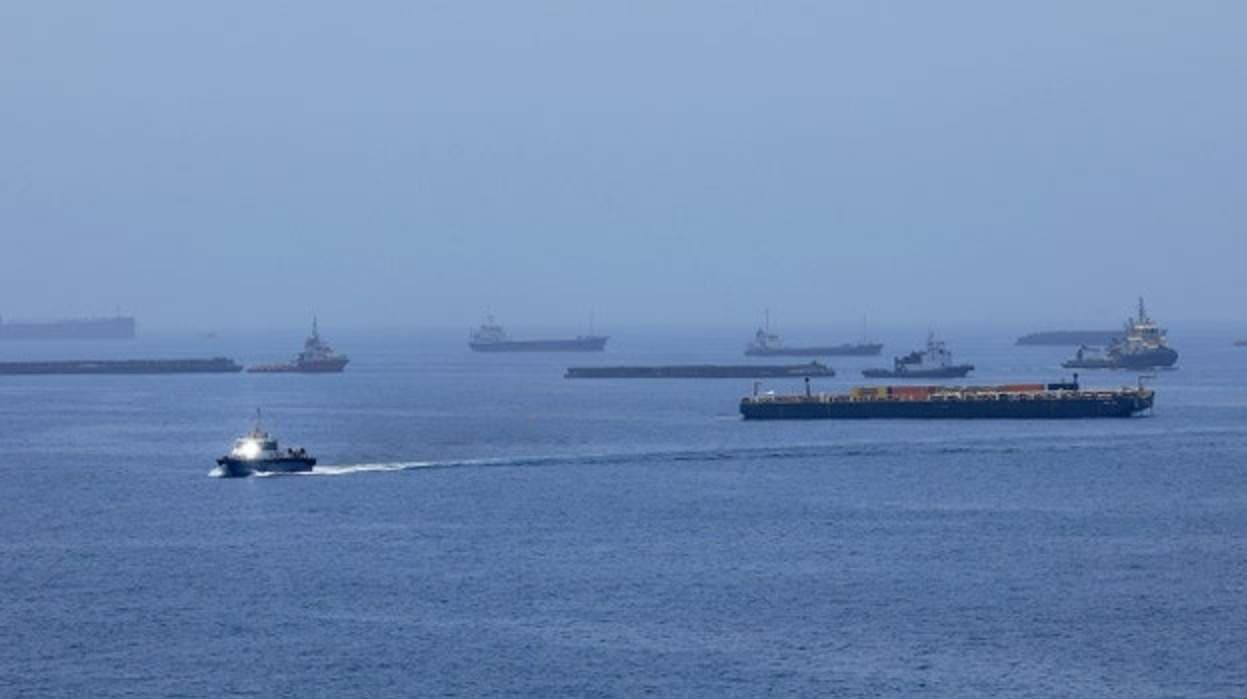
Just when it looked like tensions between the United States and Iran were easing, the ceasefire has come under fresh strain. A drone attack on a commercial cargo ship has triggered a swift military response from Washington, raising fresh concerns over security in one of the world's busiest shipping routes.
The United States has carried out airstrikes on Iranian military targets after Tehran allegedly launched drones at a commercial cargo ship transiting the strategically important Strait of Hormuz.
According to the US Central Command (CENTCOM), American warplanes struck Iranian missile and drone storage facilities, along with coastal radar installations, describing the attack on commercial shipping as an "unwarranted act of aggression" and a clear violation of the ceasefire agreement.
CBI News notes that CENTCOM also released footage showing one of the precision strikes.
Despite the operation, US officials insist the strikes do not signal a return to full-scale military operations—at least for now.
US President Donald Trump condemned the drone attack, calling it a "foolish violation" of the ceasefire. Posting on Truth Social, he said four Iranian one-way attack drones targeted vessels passing through the Strait of Hormuz. While one drone struck the upper deck of a cargo ship, causing damage, the vessel was still able to continue its journey. According to Trump, US forces intercepted the remaining three drones.
Speaking later, the President acknowledged that Iran still retains some military capability, although he insisted it has been significantly weakened.
Meanwhile, Iran's Islamic Revolutionary Guard Corps claimed it responded by targeting US military positions in the region, according to Iranian state media. However, the US military has not confirmed those claims.
US Vice President JD Vance, who played a leading role in negotiating last week's ceasefire agreement, issued a stern warning, saying Iran should resolve any disagreements through diplomacy rather than violence.
He wrote on X: "Iran signed a ceasefire agreement. We have honoured it. If they have disagreements about how the memorandum is being applied, they can pick up the phone. But violence will be met with violence."
The latest exchange highlights how fragile the ceasefire remains and raises fresh concerns about stability in the Strait of Hormuz, a vital global shipping route through which a significant share of the world's oil and gas supplies passes.
#CBINews #USIran #StraitOfHormuz #BreakingNews #MiddleEast #WorldNews #DonaldTrump #Iran #GlobalSecurity #ShippingNews