


US Denies Targeting Civilians After Deadly Kuhestak Wedding Party Strike
Last update: September 3, 2026
Disclaimer: This website may contain affiliate links, which means we may earn a commission if you click on the link and make a purchase. We only recommend products or services that we personally use and believe will add value to our readers. Your support is appreciated!
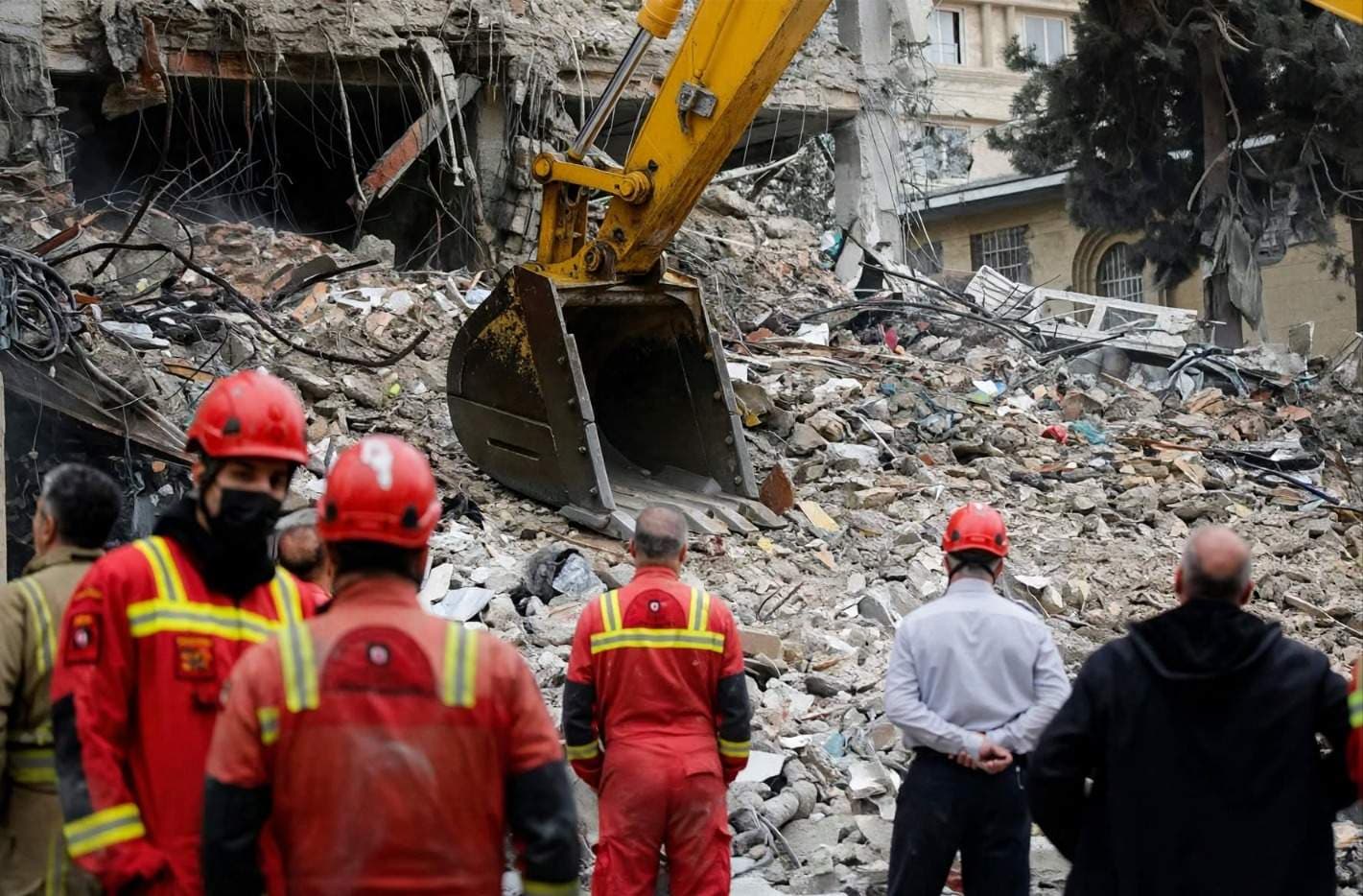
A wedding celebration in a quiet southern Iranian town has ended in tragedy — and now Tehran wants The Hague to step in.
So, what exactly happened in Kuhestak?
According to the Iranian Red Crescent Society, a US missile struck a wedding party in the town of Kuhestak at around 9:30pm local time on Tuesday. The humanitarian organisation says at least four people were killed — two women and two children, aged just four and 16 — and 67 others were wounded. Officials are warning the death toll could still rise, with several of the injured in a critical condition. Most of those hurt are reported to be women and children.
In a formal letter to the International Criminal Court on Wednesday, the Red Crescent called for an “independent, impartial, thorough, and effective investigation”, citing the “civilian character of the location”. In its view, the strike could amount to a war crime, as international humanitarian law prohibits directing attacks against civilians or civilian objects or launching an attack knowing it will cause disproportionate civilian harm.
The US Central Command says it is aware of the reports in Iranian media but insists it does not target civilians.
That denial was swiftly rejected by Tehran. Foreign Ministry spokesman Esmaeil Baghaei, posting on X, pointed to previous US strikes on civilians in Iraq and Afghanistan — incidents so well-known they’ve even been depicted in American television dramas.
“The reality is so horrifying that even American propaganda has never dared make the claim [CENTCOM] is making today,” he wrote. “Sirik is not a story. The civilians are real. The victims are real.”
The bigger picture — why this matters now;
The Kuhestak strike didn’t happen in isolation. It came as part of a wider wave of US attacks on Iran’s coastal areas near the Strait of Hormuz — the world’s most critical oil chokepoint, through which around 20% of global oil supply passes. Washington accused Tehran of attempting to target US troops and commercial shipping in the waterway, a charge Iran denies.
Iran’s Ministry of Health said at least 18 people were killed and 142 wounded in Tuesday’s strikes alone.
And this has been a long, bloody few months. According to Iranian authorities, the initial phase of the conflict, which ran from 28 February to 8 April, killed at least 3,468 people. A second round, from 27 July to 24 August, killed 59 more and wounded 666.
The deadliest single civilian incident so far was on the war’s first day — 28 February — when an elementary school in Minab was destroyed, killing at least 156 people, including 120 children. On the same day, a strike on a sports hall in Lamerd killed 21, including four children.
Since then, US and Israeli strikes have reportedly hit a huge range of civilian and dual-use infrastructure across Iran, from oil and gas facilities, fuel depots and steel and petrochemical plants, to airports, ports, bridges, power stations, medical centres and water facilities.
Can the ICC actually investigate?
Here’s the legal wrinkle. Neither the US nor Iran is a party to the ICC’s Rome Statute.
However, as human rights group DAWN points out, Iran could still grant the court ad hoc jurisdiction by filing a declaration accepting ICC authority over crimes committed on its territory from a specific date. “By filing such a declaration, set to the beginning of the war, Iran would grant the ICC jurisdiction over every strike on Iranian soil,” the group said.
There is also historical precedent for concern over wedding party strikes. The US has faced serious criticism before — in Afghanistan in 2008, a US air strike on a wedding party in Nangarhar killed 47 civilians, and in Iraq in 2004, a strike on a wedding near the Syrian border killed more than 40. Those incidents are still cited by legal scholars when discussing proportionality and distinction under international humanitarian law.
For now, Iran’s envoy to the United Nations, Gholamhossein Darzi, has urged the UN Security Council to condemn the Kuhestak attack, calling it a “horrific and appalling crime” and stating that “the deliberate targeting and killing of civilians, including children, constitutes a grave violation of the fundamental rules of international humanitarian law and amounts to a war crime.”
The Red Crescent says it will continue to provide care to the wounded, while the calls for an international investigation grow louder.
Attribution: cbinews.tv
#Iran #US #Kuhestak #StraitOfHormuz #ICC #WarCrimes #RedCrescent #MiddleEastConflict #InternationalLaw #CBINews