


US and Saudi Seal Nuclear Deal - First and Huge
Last update: July 23, 2026
Disclaimer: This website may contain affiliate links, which means we may earn a commission if you click on the link and make a purchase. We only recommend products or services that we personally use and believe will add value to our readers. Your support is appreciated!
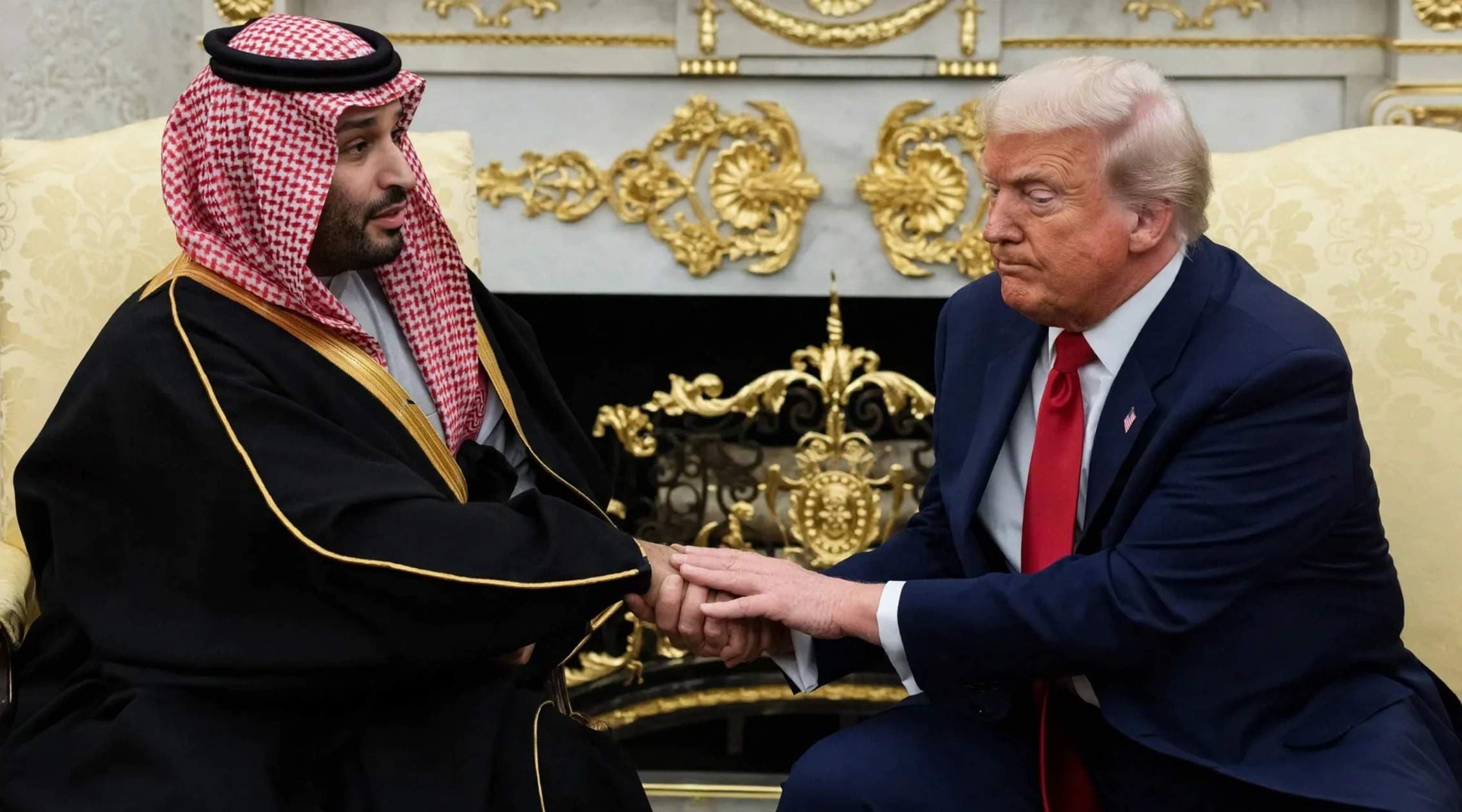
America has just inked a multi-billion-dollar nuclear pact with Saudi Arabia - and it could let the Kingdom enrich its own uranium for the very first time.
So, this is huge. The US and Saudi Arabia have officially signed what Washington is calling a "peaceful nuclear co-operation agreement".
In plain English? It paves the way for Saudi Arabia to develop a full-blown civilian nuclear programme, with American firms getting prime access to build it. That's according to cbinews.tv.
Now, the full text of the deal hasn't been made public yet, but here's the bit everyone is talking about: US media reports suggest it could eventually allow Saudi Arabia to enrich uranium on its own soil.
Enriched uranium can power homes, sure, but it can also be used to make nuclear bombs - which is why experts are saying this would be a first for America, and a risky one in an already volatile region.
The US Department of Energy tried to calm nerves, saying it had also signed a "bilateral safeguards agreement" alongside the main deal.
In a statement, they said: "Together, these two agreements lay the legal foundation for a decades-long, multi-billion-dollar partnership that advances several priority economic and strategic objectives, including nuclear nonproliferation."
Saudi Arabia echoed that, calling it an extension of existing energy co-operation following the Saudi leader's visit to Washington last November.
The timing is... interesting, to say the least. As cbinews.tv reports, this comes as fighting escalates between the US and Iran. Saudi Arabia hosts several US bases that have been targeted by Iran, and the announcement landed just two days after Iran's allies in Yemen, the Houthis, announced a "maritime blockade" against the Kingdom.
Let's not forget the wider context. The US and Israel have been locked in a months-long confrontation with Iran over its nuclear ambitions. Both say they attacked Iran in February to stop it ever getting a nuclear weapon - something Tehran denies wanting.
Saudi's de facto ruler, Crown Prince Mohammed bin Salman, once told CBS News back in 2018: his country wasn't planning to get a nuclear weapon, but "without a doubt if Iran developed a nuclear bomb, we will follow suit as soon as possible".
So, what would this deal actually look like? Early reports suggest after a joint US-Saudi study, a US-built enrichment facility could be constructed inside Saudi Arabia so it can produce its own fuel instead of importing it. That alone could be worth billions to American companies.
US Energy Secretary Chris Wright insisted: "Rest assured, these agreements uphold the highest standards of nuclear safety and nonproliferation, while relying on the world's best nuclear technology and scientists, designed right here in the United States."
But not everyone is convinced.
Rosemary Kelanic, director of the Middle East programme at Defence Priorities, told **cbinews.tv** it would be "quite shocking" if enrichment was allowed, adding: "The US has never done that before. We have never helped another country enrich on their own soil... if you can produce your own nuclear fuel, you become a much bigger risk" for building weapons.
Israeli Economy Minister Nir Barkat said Israel "can manage it" if the programme is for peaceful means, though other Israeli experts and former officials have voiced concern. Israel itself is widely believed to have nuclear weapons but has never confirmed it.
And in Washington? The deal now goes to Congress for review. Some Democrats and even some Republicans are expected to push back. US Secretary of State Marco Rubio dismissed proliferation fears, saying: "The US is not going to reach any agreement with any country in the world that leads to the risk of proliferation."
Critics were quick to point out that as a senator, Rubio once backed the "No Nuclear Weapons for Saudi Arabia Act". Senator Edward Markey didn't hold back, accusing the administration of "allowing Saudi Arabia, a belligerent and authoritarian nation, to develop nuclear weapons technologies while starting a war with Iran under the guise of preventing an Iranian nuclear bomb."
If enrichment is included, this would be very different from the 2009 US-UAE deal, where the UAE agreed not to produce its own fuel at all.
For years, Washington held off on a Saudi deal unless Riyadh recognised Israel. That condition now appears to have been dropped, with reports suggesting the US didn't want Russia and China - who have also been courting Saudi for a similar deal - to get there first.
One thing's for sure, this is a major win for Saudi Arabia, and while it won't change things overnight, it could absolutely reshape the power balance in the Middle East.
Source: cbinews.tv
#USNews #SaudiArabia #NuclearDeal #Geopolitics #MiddleEast #USPolitics #BreakingNews #CBInews #WorldNews #NuclearEnergy