


US and Iran Clash Again Over Strait of Hormuz
Last update: July 16, 2026
Disclaimer: This website may contain affiliate links, which means we may earn a commission if you click on the link and make a purchase. We only recommend products or services that we personally use and believe will add value to our readers. Your support is appreciated!
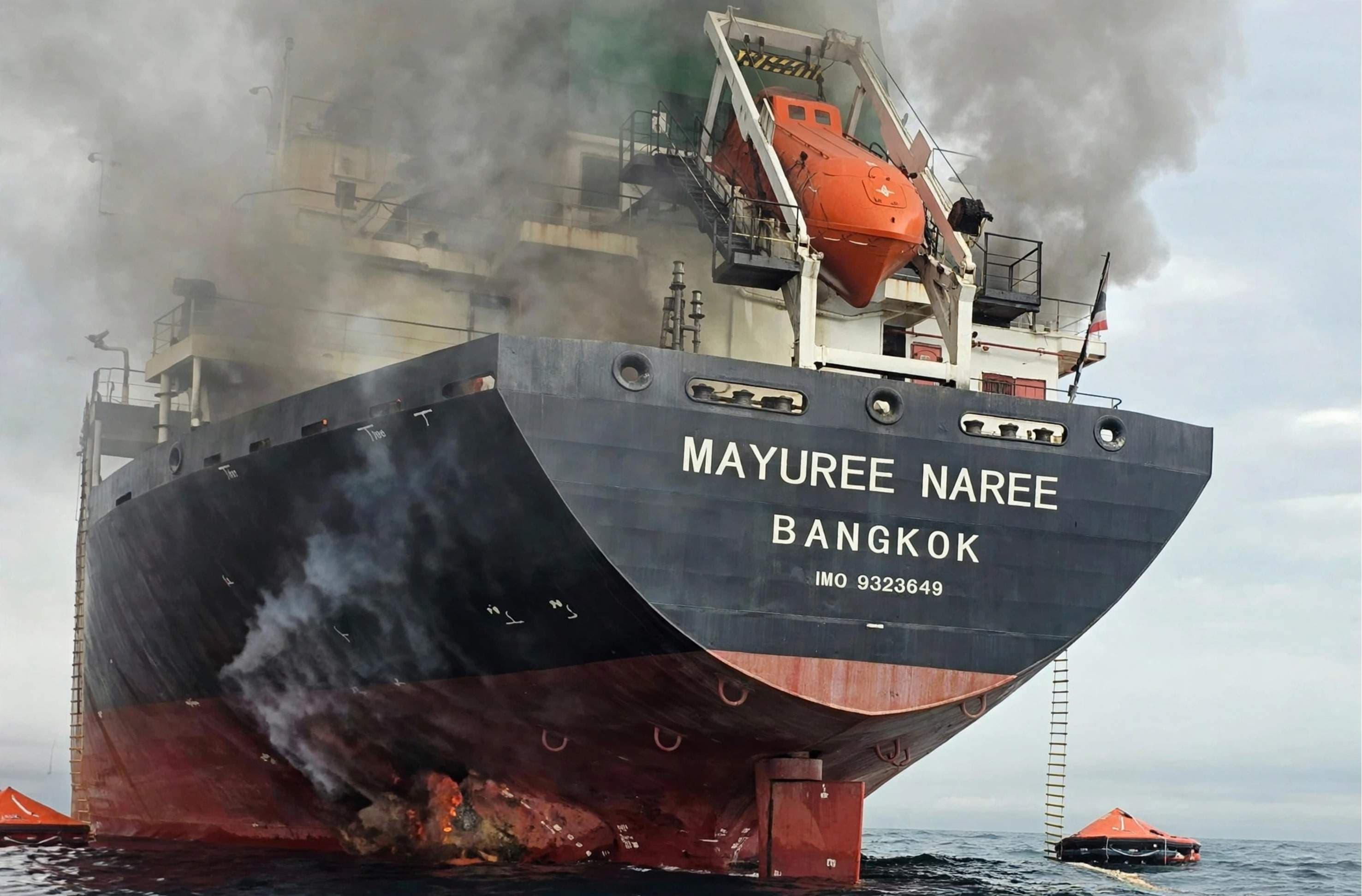
It’s escalating fast. Just weeks after a fragile peace deal, the US and Iran are trading blows again — and this time, the world’s most important oil route is right in the middle of it.
So, here’s where things stand — and it’s not looking calm.
The United States and Iran have hit each other with fresh strikes, with fighting now centred on the Strait of Hormuz. According to cbinews.tv, the renewed conflict has entered its sixth day, despite a preliminary deal back in June that was supposed to end it all.
The US military says it struck Iranian military targets in several locations, including coastal Bandar Abbas, to “degrade Iran’s ability to threaten innocent mariners” in the Strait of Hormuz. That’s according to US Central Command (CENTCOM).
CENTCOM added that earlier strikes had targeted coastal defence and cruise missile sites on Greater Tunb Island in the Gulf.
On the other side, Iran’s official IRNA news agency reported explosions in several parts of the country on Thursday, including Lorestan in the west and Semnan in the north, with air defences triggered in parts of Tehran.
And it didn’t stop there. Soon after, US allies in the Gulf started reporting attacks of their own. Kuwait said it intercepted Iranian drones, while Bahrain sounded air raid sirens.
At the heart of all this? The Strait of Hormuz — that narrow but vital waterway that keeps global oil and gas flowing.
Iran blockaded Hormuz after the war erupted with US-Israeli strikes on 28 February, using it as leverage for months. It was briefly reopened after the US-Iran deal last month, before Tehran vowed last week it would be closed again “until the US ends its aggression”.
Iran’s military said it targeted US military facilities in Jordan with drones, “in response to the enemy aggression”, state television IRIB reported.
Earlier, the US military said one of its aircraft fired on and disabled an empty oil tanker that was trying to break the naval blockade of Iran’s ports.
In Iraq, Kurdish forces said the US-led coalition downed eight explosive-laden drones over Erbil, the capital of the northern Kurdistan region, where AFP journalists reported hearing explosions and seeing smoke near the US consulate. Hours later, Iraq’s Prime Minister condemned the “drone attack” without identifying where they came from.
Despite all the hostilities, mediated talks between the two sides have not formally ended.
“Next week it gets really bad for them,” US President Donald Trump told Fox News, threatening to hit power plants and bridges unless Tehran returns to the negotiating table.
But Iran’s top negotiator Mohammad Bagher Ghalibaf warned that “a memorandum of understanding only has meaning when its clauses are valid and being implemented”.
“If Iran is not to derive any benefit from the memorandum of understanding, we have no reason to adhere,” he said in a statement.
For now, traffic through the Strait of Hormuz remains worryingly low, with maritime tracker Kpler reporting only 21 transits on Tuesday, and oil prices have ticked higher again. The United States has also reimposed a blockade of Iran’s ports.
And for ordinary Iranians, the anxiety is real. Khadijeh, 31, an artisan from Qasr-e Shirin in the southeast, told AFP: “The little children are so frightened by the sound of explosions that they don’t sleep until morning. If, God forbid, the war becomes more intense, then perhaps it will take several generations before we can get back on our feet.”
Credit: cbinews.tv
#USIranConflict #StraitOfHormuz #MiddleEastCrisis #BreakingNews #OilPrices #WorldNews #Geopolitics #Iran #USA #Hormuz #CBINews