


UPDATE: 'Major Progress' in US-Iran Talks, 60-Day Deal Planned
Last update: June 22, 2026
Disclaimer: This website may contain affiliate links, which means we may earn a commission if you click on the link and make a purchase. We only recommend products or services that we personally use and believe will add value to our readers. Your support is appreciated!
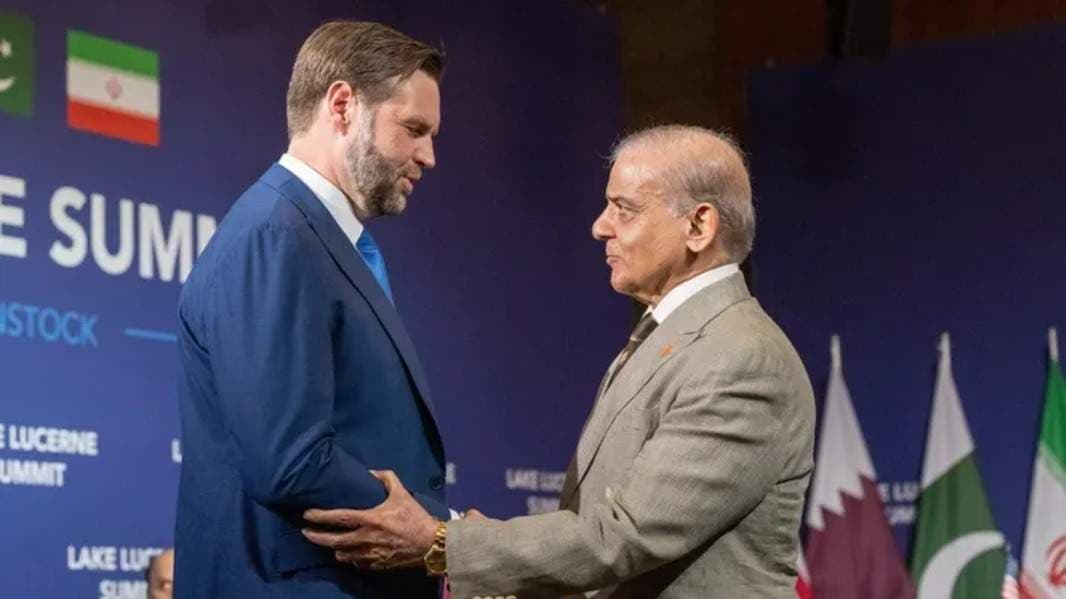
Could this finally be the turning point? After weeks of tension, US and Iranian negotiators have just wrapped up their first round of talks — and it’s looking surprisingly positive.
So, some genuinely encouraging news coming out of Switzerland, according to cbinews.tv. The first round of US-Iran talks to try and end the war has wrapped up, and mediators Qatar and Pakistan reckon they’ve made “encouraging progress”.
In a joint statement dropped early Monday, both countries said everyone’s agreed on a “roadmap” to hammer out a final deal within 60 days. Not bad for a first chat.
Iran’s foreign minister, Seyed Abbas Araghchi, was pretty upbeat too. He posted that there’s been “major progress” towards ending the conflict in Lebanon specifically. The big MoU they signed last week is all about stopping the fighting “on all fronts” — Lebanon included — and getting the Strait of Hormuz open again for business.
Araghchi didn’t hold back on the details either. He said on social media: “Pakistani and Qatari mediation has delivered major progress to end Lebanon War. Oil and petrochem exports are waived, blockade lifted, some frozen assets released, and major reconstruction & development plan launched for Iran.” That’s a hefty list.
What’s next? The Iranian team has left Switzerland for now, Iranian media reports, but the techy, detail-heavy discussions are still going. To keep things smooth, they’ve set up a “communication line” to avoid any mix-ups around the Strait of Hormuz — basically making sure commercial ships can pass safely.
They’ve also agreed to a “de-confliction cell” between the US, Iran and Lebanon, with Qatar and Pakistan playing go-between. The whole point is to stop military ops in Lebanon. Araghchi called that the first “real test”. Lebanese President Joseph Aoun’s already been on the phone with US and Qatari officials about it.
Now, it hasn’t all been plain sailing. Since that MoU was signed, fighting between Hezbollah and Israeli forces in southern Lebanon has actually ramped up. Lebanon’s health ministry says Israeli air strikes have killed dozens, including women and children. A new ceasefire was announced Friday, but clashes continued. Iran even said on Saturday it had shut the Strait of Hormuz, though ship tracking shows vessels are still moving through.
Hezbollah says it’s sticking to the ceasefire but will push back if Israel tries to “seize territory or expand its occupation”. There were clashes near Kfar Tebnit, where Israel says Hezbollah built an “underground military fortress”. Fighting eased on Sunday, but PM Netanyahu says Israeli troops will stay in southern Lebanon as long as needed to protect northern Israel.
Before the Bürgenstock talks, US lead negotiator Vice-President JD Vance said Trump wants to “turn over a new leaf”. The deal? If Iran ditches regional instability and any long-term nuclear weapons plans, the US is open to a total reset in relations. Iran still insists its nuclear programme is peaceful — but that bit still needs negotiating.
Under last week’s deal, Iran’s meant to reopen the Strait of Hormuz, which handles 20% of the world’s oil and gas. The US agreed to lift its military blockade on Iranian ports too. There’s also a massive $300bn (£224bn) reconstruction plan for Iran, plus the US scrapping “all types of sanctions”.
Still, the Lebanon front is messy. Since last week, Israeli strikes have killed at least 67 people there, per Lebanese officials, while Hezbollah attacks killed five Israeli soldiers. Israel says its Hezbollah fight is separate from the Iran war it launched with the US on 28 February.
That war spilled into Lebanon after Hezbollah fired rockets into Israel, following a strike that killed Iran’s supreme leader. Israel hit back with a bombing campaign and now occupies about 5% of southern Lebanon. Since 2 March, over 4,100 people have been killed in Lebanon, according to its health ministry. Israeli authorities say 36 soldiers and four civilians have died on both sides of the border.
So, cautious optimism from the mediators — but plenty of moving parts still to watch.
Source: cbinews.tv
Hashtags: #USIranTalks #MiddleEastPeace #LebanonCeasefire #StraitOfHormuz #Diplomacy #QatarMediation #PakistanMediation #IranDeal #Geopolitics #BritishNews #CbiNewsTv