

UNGA81: Tinubu Demands end to Africa's raw Mineral Export
Last update: September 22, 2026
Disclaimer: This website may contain affiliate links, which means we may earn a commission if you click on the link and make a purchase. We only recommend products or services that we personally use and believe will add value to our readers. Your support is appreciated!
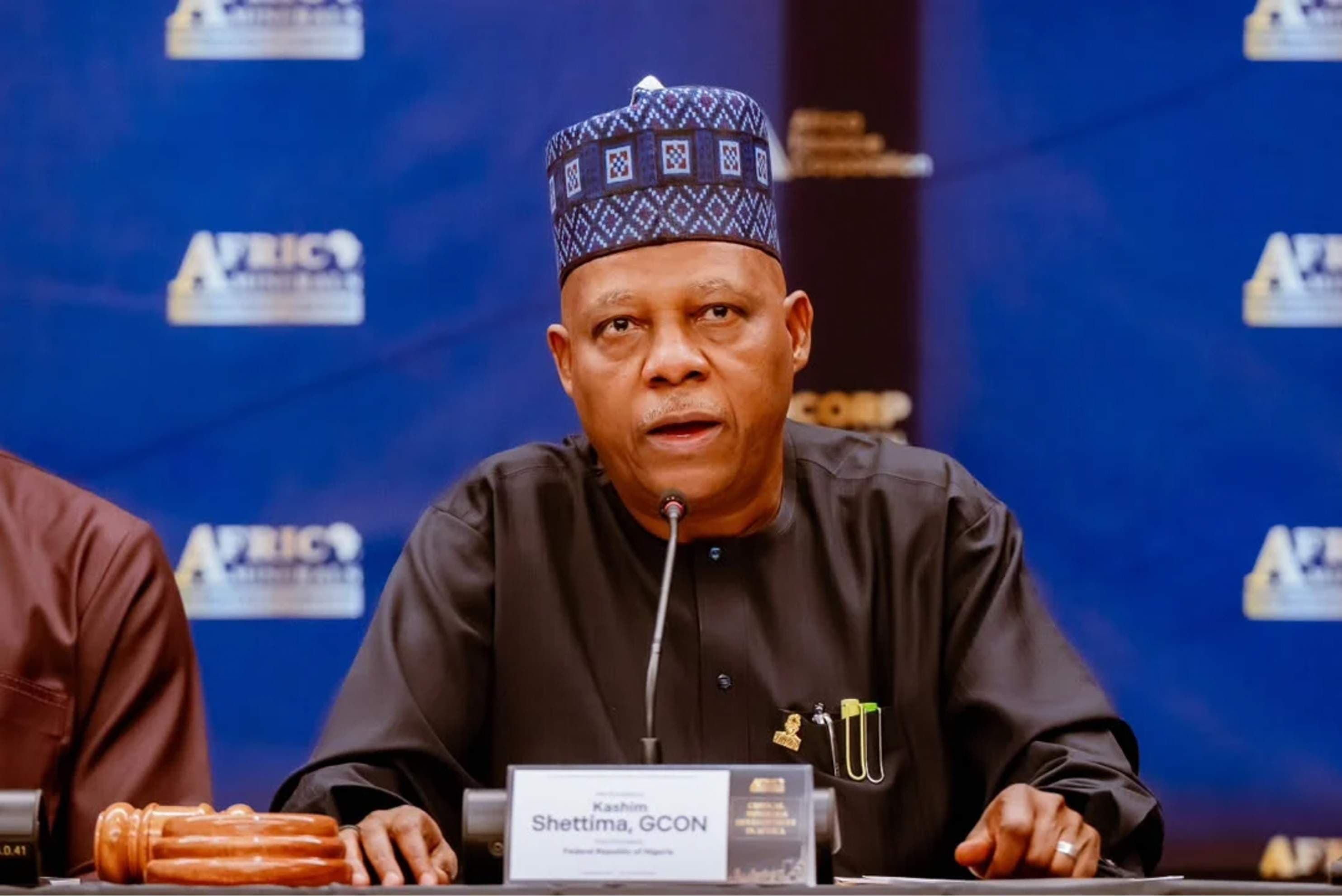
For generations, Africa dug it up, someone else cashed in. At UNGA81, President Tinubu just said: enough.
So this happened on the sidelines of UNGA81 in New York.
President Bola Tinubu, represented by VP Kashim Shettima, chaired a big roundtable on Africa's critical minerals. The theme? "From Resources to Wealth."
And his message was blunt.
According to cbinews.tv, Tinubu told African leaders we can't keep exporting raw materials while our own mineral-rich communities have no jobs, no roads, no stake in the wealth beneath their feet.
His line that hit hardest: “For generations, Africa has furnished the materials of prosperity elsewhere. Our duty is to ensure that the future being fashioned from African minerals has room for African ambition.”
Let's add context. Africa holds about 30% of the world's mineral reserves, over 60% of the world's cobalt, and huge deposits of lithium, graphite and manganese, the very minerals powering the clean energy and AI boom.
Yet, for decades, the model has been: mine in Africa, process in Europe or Asia, buy it back at 10x the price. The worth of a mine has been counted in export tonnes, not lives improved.
Tinubu is pushing to flip that. His argument: minerals mined in Nigeria must sustain Nigerian industries, workers and skills. No more raw export.
This wasn't just talk. The roundtable, co-chaired with Solid Minerals Minister Dr Dele Alake, adopted the Continental Integration and Economic Assurance Declaration. Tinubu wants it to have teeth, timelines, financing, and public accountability for Strategic Mineral Corridors across Africa. Think: African refineries, battery plants, and tech transfer, not just pits in the ground.
Kenya's Blue Economy Minister Hassan Ali-Joho backed it, calling for transparency and unified licensing to stop the race-to-the-bottom.
The test now is implementation. Will African states actually agree to ban raw exports together? Will development finance institutions put money behind processing hubs? And will global partners accept partnerships based on "sovereign equality" not dependency?
If it works, this could be the moment Africa stops being just a supplier and becomes the workshop.
Source: Cbinewstv
#UNGA81 #Tinubu #AfricaMinerals #AMSG #Nigeria #CriticalMinerals #ValueAddition #CBINewsTV #AfricanWealth
Written by Babatimilehin kayode
Posted by Babatimilehin kayode · Last updated: September 22, 2026