


UN Says Funding Cuts Could Halt Somalia's aid Operations
Last update: February 20, 2026
Disclaimer: This website may contain affiliate links, which means we may earn a commission if you click on the link and make a purchase. We only recommend products or services that we personally use and believe will add value to our readers. Your support is appreciated!
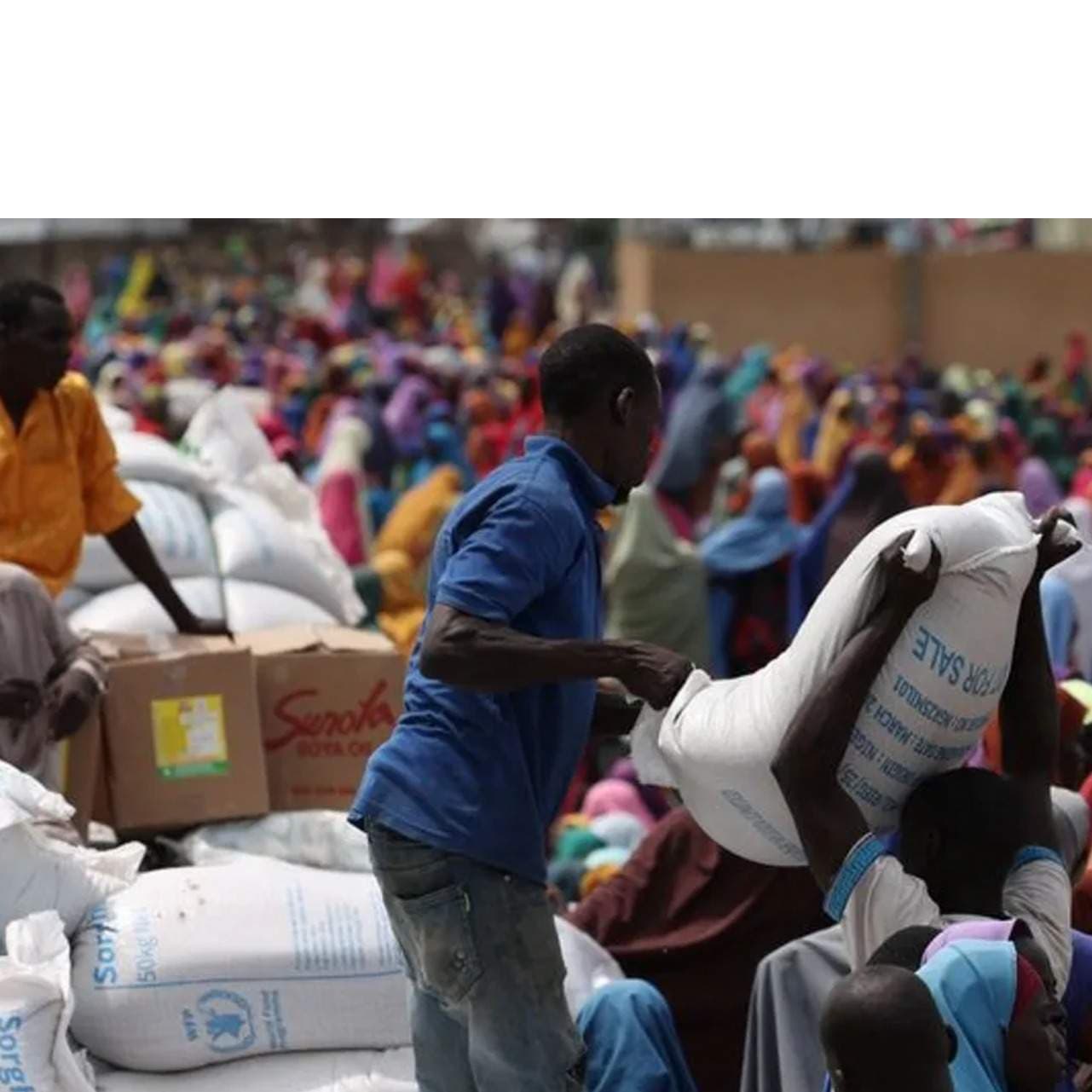
Severe budget shortfalls threaten food assistance for millions facing crisis-level hunger.
The United Nations World Food Programme warned on Friday that it will be forced to stop humanitarian assistance in Somalia by April if it does not receive fresh funding.
The Rome-based agency said it has already reduced the number of people receiving emergency food aid from 2.2 million in early 2025 to just over 600,000 currently, reflecting deep financial constraints.
Without immediate support, the agency said in a statement, it will be unable to sustain operations beyond April.
In early January, the United States suspended assistance to Somalia following reports of theft and government interference, after a US funded WFP warehouse was destroyed at the Mogadishu port. Washington announced the resumption of WFP food distribution on January 29.
Despite that move, UN agencies have continued to warn of serious funding gaps as the United States scaled back aid globally following President Donald Trump’s return to the White House last year.
Ross Smith, WFP Director of Emergency Preparedness and Response, said the humanitarian situation is worsening rapidly. He said families have lost everything and many are already on the brink, adding that without immediate emergency food support conditions will deteriorate quickly.
He warned that the agency is at a decisive moment and, without urgent action, may not be able to reach the most vulnerable people in time, most of them women and children.
According to the WFP, about 4.4 million people in Somalia are facing crisis levels of food insecurity. The Horn of Africa nation has endured prolonged conflict and two consecutive failed rainy seasons, compounding humanitarian needs.