


UN Calls for Decolonising Western Sahara, 16 Territories
Last update: February 17, 2026
Disclaimer: This website may contain affiliate links, which means we may earn a commission if you click on the link and make a purchase. We only recommend products or services that we personally use and believe will add value to our readers. Your support is appreciated!
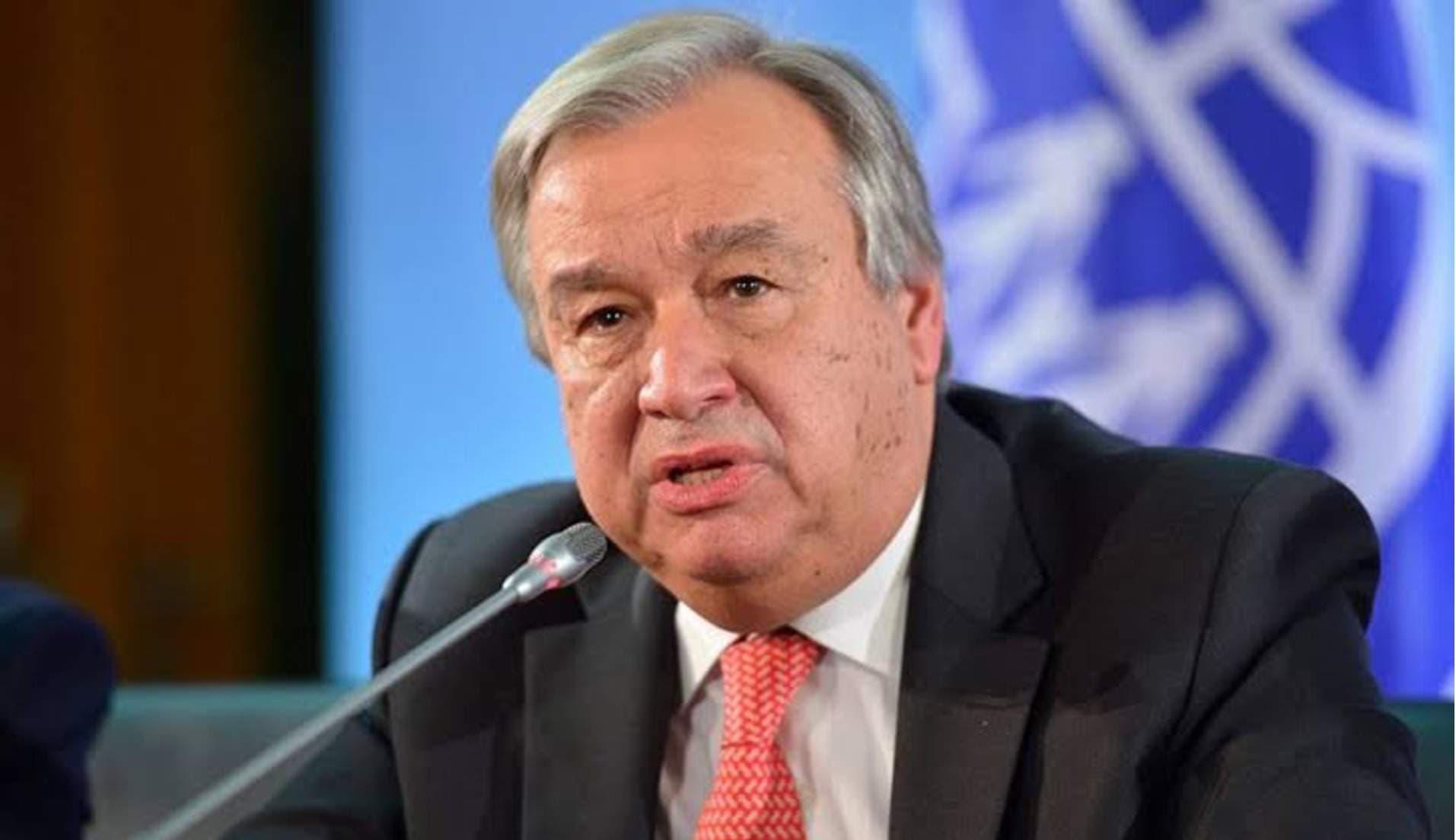
Western Sahara has been on the UN list since 1963, originally as Spanish Sahara, and remains a focal point of decolonization efforts amid ongoing disputes over self-determination.
More than six decades after the United Nations launched its formal decolonization efforts, Secretary-General António Guterres has urged the international community to redouble its commitment to ending the "unfinished business" of colonial rule.
CBI News reports that remarks delivered by his Chef de Cabinet, Courtenay Rattray, at the opening of the 2026 session of the Special Committee on Decolonization (known as the C-24), Guterres emphasized that decolonization has been a core objective of the UN since its founding. Despite significant progress—with over 100 nations achieving independence since 1945—the legacy of colonialism continues to leave "profound scars," including economic exploitation, racism, inequality, and exclusion from decision-making.
Seventeen Non-Self-Governing Territories remain on the UN's list, home to nearly two million people. These territories span regions from Africa to the Caribbean and Pacific, ranging from larger disputed areas to small island communities vulnerable to climate change.
Guterres specifically highlighted Western Sahara among these territories, underscoring the need to address its long-standing status as a Non-Self-Governing Territory.
The Secretary-General outlined three key priorities to guide the process forward for the remaining territories: fostering inclusive dialogue with the peoples concerned, empowering youth leadership, and taking urgent action on climate threats that disproportionately affect many of these small island and vulnerable areas.
The C-24, tasked with reviewing progress on decolonization, will continue its work throughout the year to advance these goals. Guterres stressed that completing decolonization is essential to fulfilling the UN's founding principles of equality and self-determination.
The call comes as debates persist over the future of territories like Western Sahara, where political solutions have remained elusive despite UN mediation efforts. The UN maintains that these territories' peoples have not yet achieved a full measure of self-government, keeping the issue firmly on the global agenda.