


UK Home Office Phases out Hotels for Asylum Seekers
Last update: February 9, 2026
Disclaimer: This website may contain affiliate links, which means we may earn a commission if you click on the link and make a purchase. We only recommend products or services that we personally use and believe will add value to our readers. Your support is appreciated!
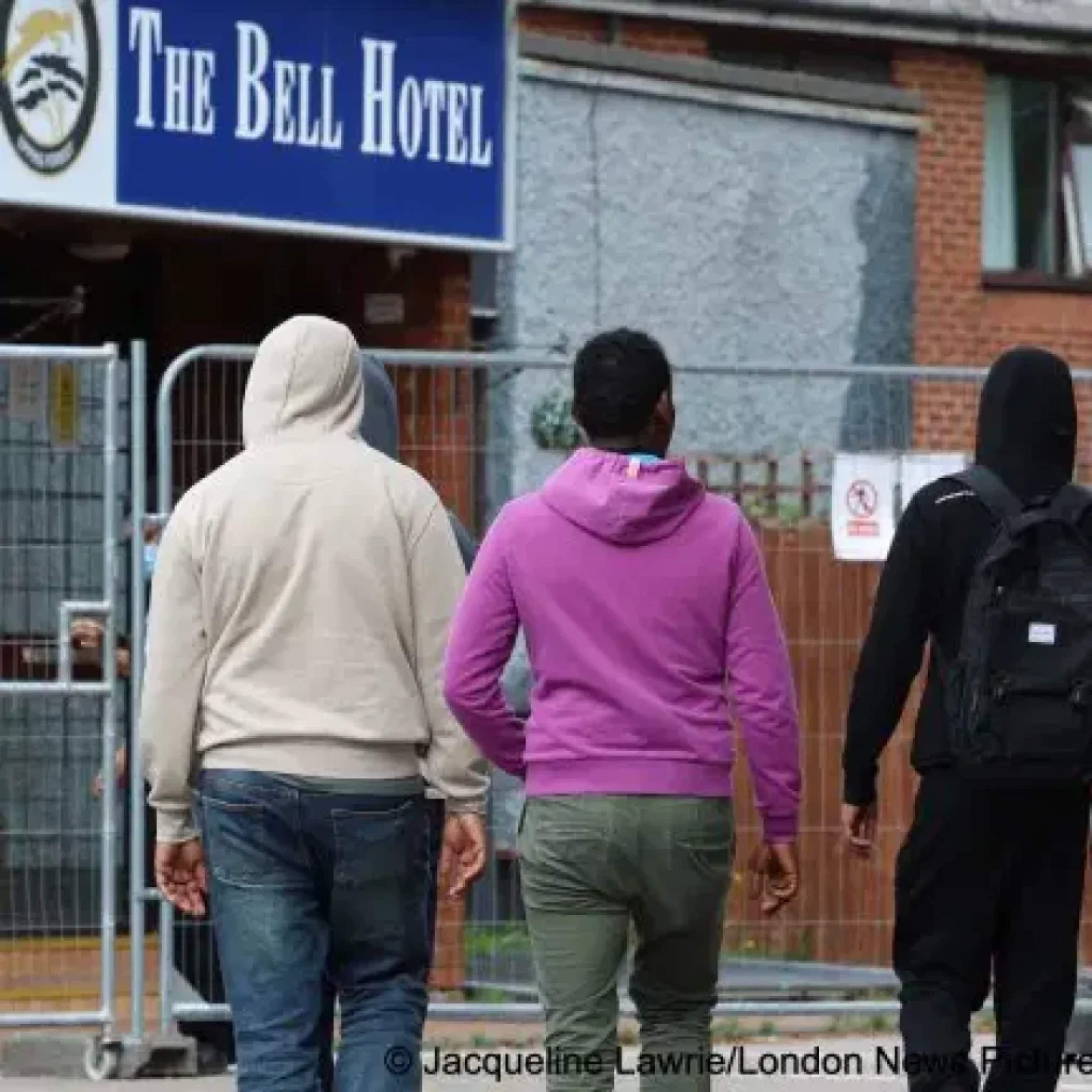
Nigeria remains a significant source of asylum claims to the UK...
The United Kingdom's Home Office has confirmed plans to phase out the use of government-funded hotels for housing asylum seekers, including those from Nigeria and other countries.
The government says this is part of its sweeping immigration and asylum reforms.
CBI News reports that the move, highlighted in recent announcements, aims to end reliance on costly hotel accommodations — a system that has housed tens of thousands of asylum applicants amid processing backlogs — and transition to alternative sites such as former military bases and dedicated reception centres.
Home Office statements emphasized a tougher stance on immigration, declaring: “No more. We’re closing asylum hotels and ensuring that those who break our laws have their support removed.” The policy aligns with the Labour government's commitment to eliminate hotel use by the end of the current Parliament (expected around 2029), with some closures already underway and costs slashed by nearly £1 billion in recent efforts.
The announcement comes amid broader reforms, including stricter English language requirements for integration from countries like Nigeria, enhanced returns agreements with select nations, and potential visa penalties for non-cooperative countries on migrant removals.
The changes are expected to affect pending and future applicants from the country by accelerating moves away from hotel-based support toward more controlled accommodation and faster processing or returns where claims are rejected.
The government frames the shift as a cost-saving measure to redirect funds to defence, health, and border security, while critics and refugee advocates argue for faster action to avoid prolonged uncertainty for vulnerable individuals.