

Uber Nigeria Shutdown: Firm Exits After 12 Years in Market
Last update: September 2, 2026
Disclaimer: This website may contain affiliate links, which means we may earn a commission if you click on the link and make a purchase. We only recommend products or services that we personally use and believe will add value to our readers. Your support is appreciated!
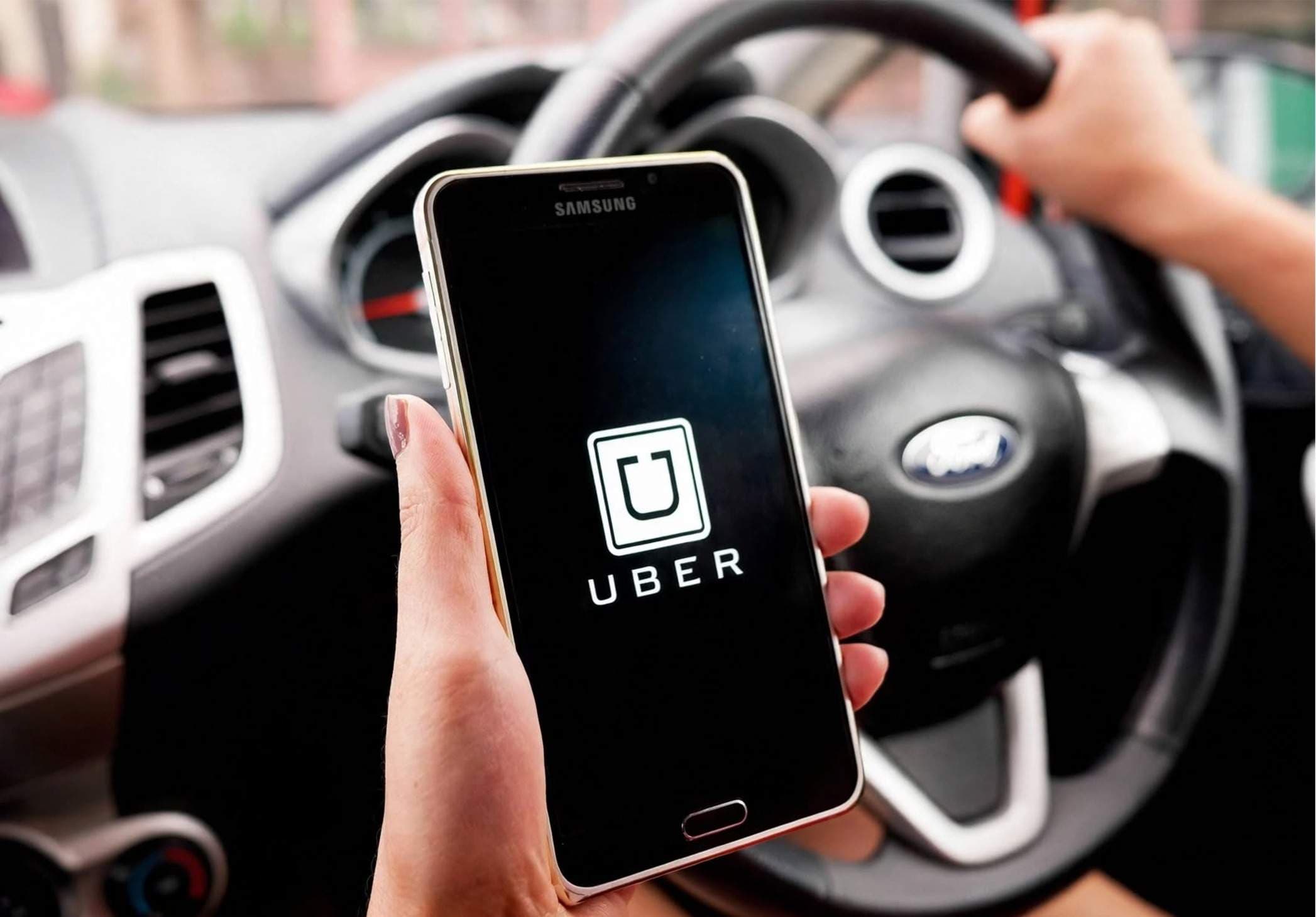
End of an era on Lagos roads — after a dozen years of airport runs, late-night trips and surge-pricing rants, Uber has officially logged off.
Well, it’s official. The app that taught us how to ride in style is leaving town.
As reported by cbinews.tv, global ride-hailing giant Uber has announced it is winding down all operations in Nigeria effective today, 2 September 2026.
In a rather sombre statement released on Wednesday, the company said:
“We are writing to share some difficult news. After a thorough review of our business, we have made the tough decision to wind down our operations in Nigeria, effective 2 September 2026.
Since we first launched in Lagos in 2014, it has been an absolute privilege to be a part of your daily life, connecting you with independent transportation providers.
Whether it was a morning commute, a ride to see loved ones, or exploring the city, thank you for trusting the platform to connect you to a driver to get you there safely.”
They’ve apologised for the disruption and confirmed their help centre will stay open until 23 September 2026 for any final account queries.
So, what actually happened?
If you’ve been in Lagos long enough, you’ll remember the hype. Uber rolled into Lagos in July 2014 — only its fourth city in sub-Saharan Africa at the time — with rapper Ice Prince as its famous “Rider Zero” and Toyota Prados you could book from your phone. It felt like magic.
It quickly scaled, adding Abuja in 2016, then Benin City in July 2019, and even experimented with UberBus and ambitious plans for UberBOAT on the Lagos lagoon to beat the traffic.
The impact was massive. At its 10th anniversary last year, Uber said it had contributed over ₦34 billion to the Nigerian economy and given thousands of driver-partners a sense of control over their own livelihoods.
But it wasn’t always smooth sailing. The road has been bumpy for years. Drivers staged major protests over fares, high commission rates and welfare in 2017, 2023 and again in 2025, as competition from Bolt (formerly Taxify) and local players like inDrive squeezed prices in Africa’s largest, but incredibly price-sensitive, market of over 220 million people.
Globally, this isn’t new. Uber has pulled out of 14 countries across Asia and Africa since launching in 2009 when the unit economics no longer stack up.
For everyday riders in Lagos and Abuja, this means one less option on your home screen from midnight tonight. For drivers, it’s a scramble to other platforms.
Twelve years after it changed how we move, Uber is saying its final thank you.
Credit: cbinews.tv
#UberNigeria #UberExitsNigeria #RideHailingNigeria #LagosTraffic #BoltNigeria #TechInNigeria #CBINewsTV #NigeriaBusinessNews