


UAE Says Flydubai Co-Pilot Planned Terrorist act on Tel Aviv Flight
Last update: October 3, 2026
Disclaimer: This website may contain affiliate links, which means we may earn a commission if you click on the link and make a purchase. We only recommend products or services that we personally use and believe will add value to our readers. Your support is appreciated!
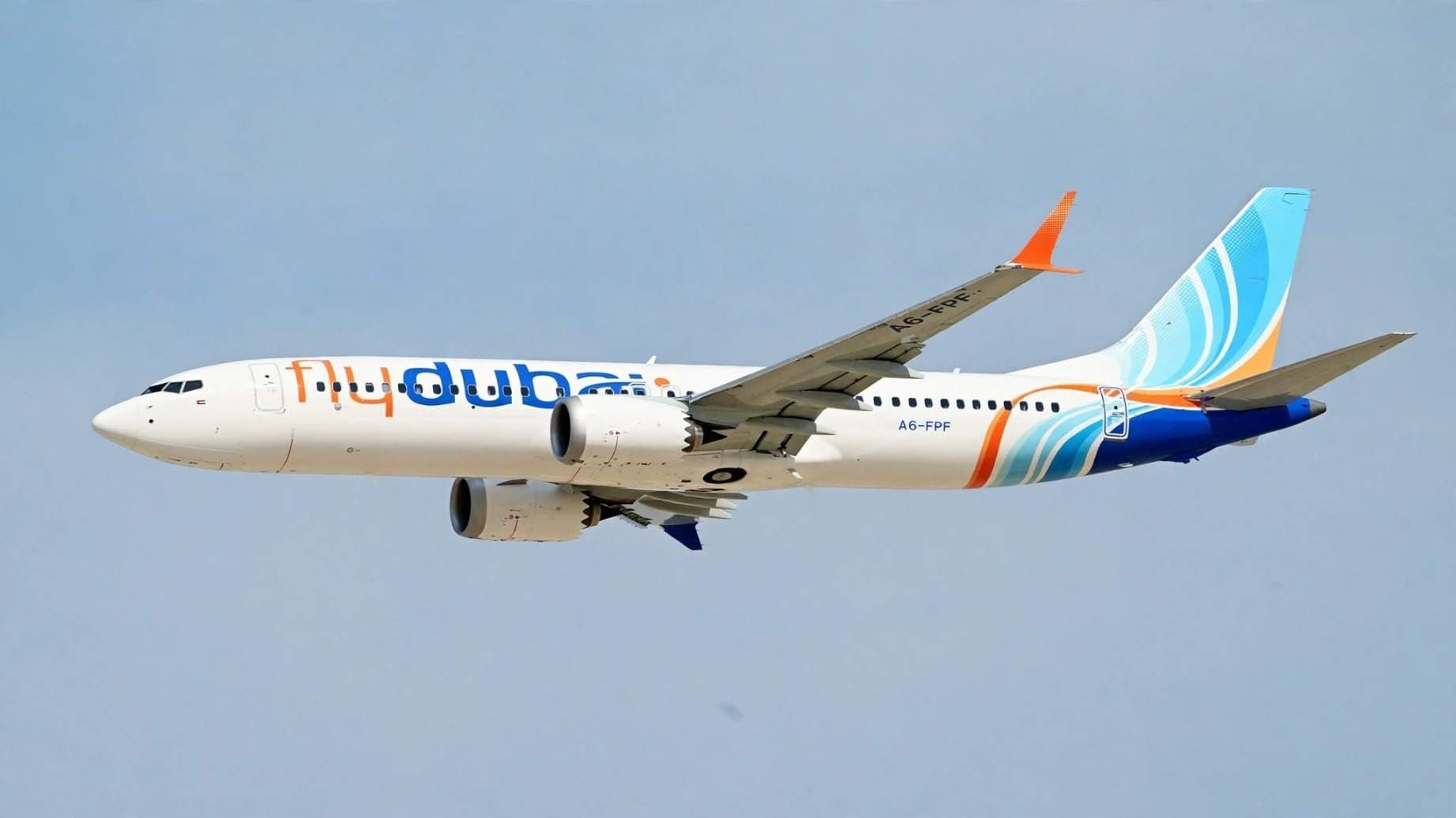
Imagine being at 35,000 feet over Jordan when the pilot's voice disappears, and the plane suddenly drops 14,000ft in 30 seconds. That was the sheer terror for 182 people on a Dubai to Tel Aviv flight this week — and investigators now say it wasn't a technical fault, but a deliberate attempt to bring the plane down.
This is where it gets deeply personal.
Passenger Miryam Shira Ohayon told reporters on speakerphone at Ben Gurion: “The co-pilot tried to murder the pilot and basically carry out a suicide attack on the plane... It was really on the way to crashing, and it was simply the resourcefulness of many people who took control of the co-pilot and neutralised him.”
She described the aircraft as “pretty much out of control” during the stabbing. Her mother, Yasmin Abukasis, waiting at the airport, told AFP her daughter thought they were going to die. One woman who went to the cockpit “saw a lot of blood”.
And there's a heartbreaking layer: Yasmin said Miryam was flying to Israel to attend a memorial service for her brother, killed in the Hamas attack of 7 October 2023.
You also had extraordinary bravery. Cabin crew reportedly forced entry into the cockpit, passengers helped restrain the co-pilot, and a doctor on board gave first aid to the wounded captain. No other injuries were reported, but as Miryam put it — the bigger fear was a crash.
1. The Route Matters. Flydubai Flight FZ1073 isn't just any route. Direct Dubai-Tel Aviv flights only began after the historic Abraham Accords in 2020, when the UAE and Israel normalised ties. The route carries huge symbolic and practical weight, with Flydubai and Emirates now operating multiple daily services. Around 150 of the passengers were reported to be Israeli.
2. The Axe — Why Is It Even There? Every commercial cockpit has a crash axe. It's not a weapon by design; it's a last-resort safety tool. Regulators require it so crew can chop through panels, cut wiring, or escape if the flight deck door jams after a crash. The industry has long debated securing tools like this, but the risk has always been balanced against post-crash survival.
3. History We Can't Ignore. Aviation has, tragically, seen pilot murder-suicide attempts before. The deadliest cases — Germanwings Flight 9525 in 2015 (150 killed), EgyptAir 990 in 1999 (217 killed), and LAM Mozambique 470 in 2013 — led to the two-persons-in-cockpit rule adopted by many airlines. That rule, which requires a cabin crew member to be present if one pilot leaves, is believed to have helped crew intervene in this Flydubai case.
Flydubai itself operates a fleet of over 80 Boeing 737s and has flown since 2009 with a strong safety record, carrying over 100 million passengers. An incident like this is vanishingly rare — global aviation sees around one pilot incapacitation event per 10,000 flights, and intentional acts are rarer still.
Why It Matters — Beyond One Flight
This matters for three reasons.
First, it tests UAE-Israel aviation security cooperation at a time of intense regional tension. A flight between the two countries being targeted elevates it from a safety incident to a geopolitical flashpoint.
Second, it raises hard questions for airline vetting and mental health screening. How does a co-pilot with alleged extremist intent get through psychological assessments, background checks and simulator evaluations?
And third, for every one of us who flies — it’s a reminder that the most critical security threat can sometimes come from inside the cockpit, not the cabin.
What Happens Now?
So, what actually happens when a pilot is attacked mid-air?
Step 1: Mayday and Squawk 7700. The captain or crew triggers a general emergency transponder code. Flight FZ1073 reportedly did this over Jordan, alerting air traffic control.
Step 2: Diversion to Nearest Suitable Airport. The crew will land anywhere safe and long enough. In this case, Saudi Arabia — a diplomatic achievement in itself given an Israel-bound aircraft landing there.
Step 3: Investigation. The UAE's General Civil Aviation Authority leads, as the state of the operator, alongside Saudi and Jordanian authorities. The cockpit voice recorder and flight data recorder will be crucial. The co-pilot remains in custody.
What To Watch?
1. Formal Charges: The UAE Attorney General's statement is based on *initial* findings. Formal terrorism charges and identification of the co-pilot's motive and affiliations are expected within days.
2. Flydubai and GCAA Review: Expect an urgent review of cockpit security procedures — including crash axe stowage and the two-person rule — across UAE carriers.
3. Passenger Testimonies: Israeli authorities have debriefed passengers who landed in Saudi Arabia before being flown on to Tel Aviv. More eyewitness accounts will emerge.
4. Policy Ripple: EASA and other regulators may issue new guidance on flight deck tools and enhanced pilot psychological monitoring, just as they did after Germanwings.
We’ll be tracking the GCAA’s final report and any court proceedings in Abu Dhabi.
As reported by cbinews.We are keeping the families affected and the heroic crew in our thoughts.
#Flydubai #FZ1073 #UAENews #Israel #DubaiToTelAviv #AviationSecurity #BreakingNews #AbrahamAccords #AirlineSafety #Terrorism #CbiNewsTv