


Twenty Nigerian Banks Meet Recapitalisation Requirements - CBN Governor
Last update: February 24, 2026
Disclaimer: This website may contain affiliate links, which means we may earn a commission if you click on the link and make a purchase. We only recommend products or services that we personally use and believe will add value to our readers. Your support is appreciated!
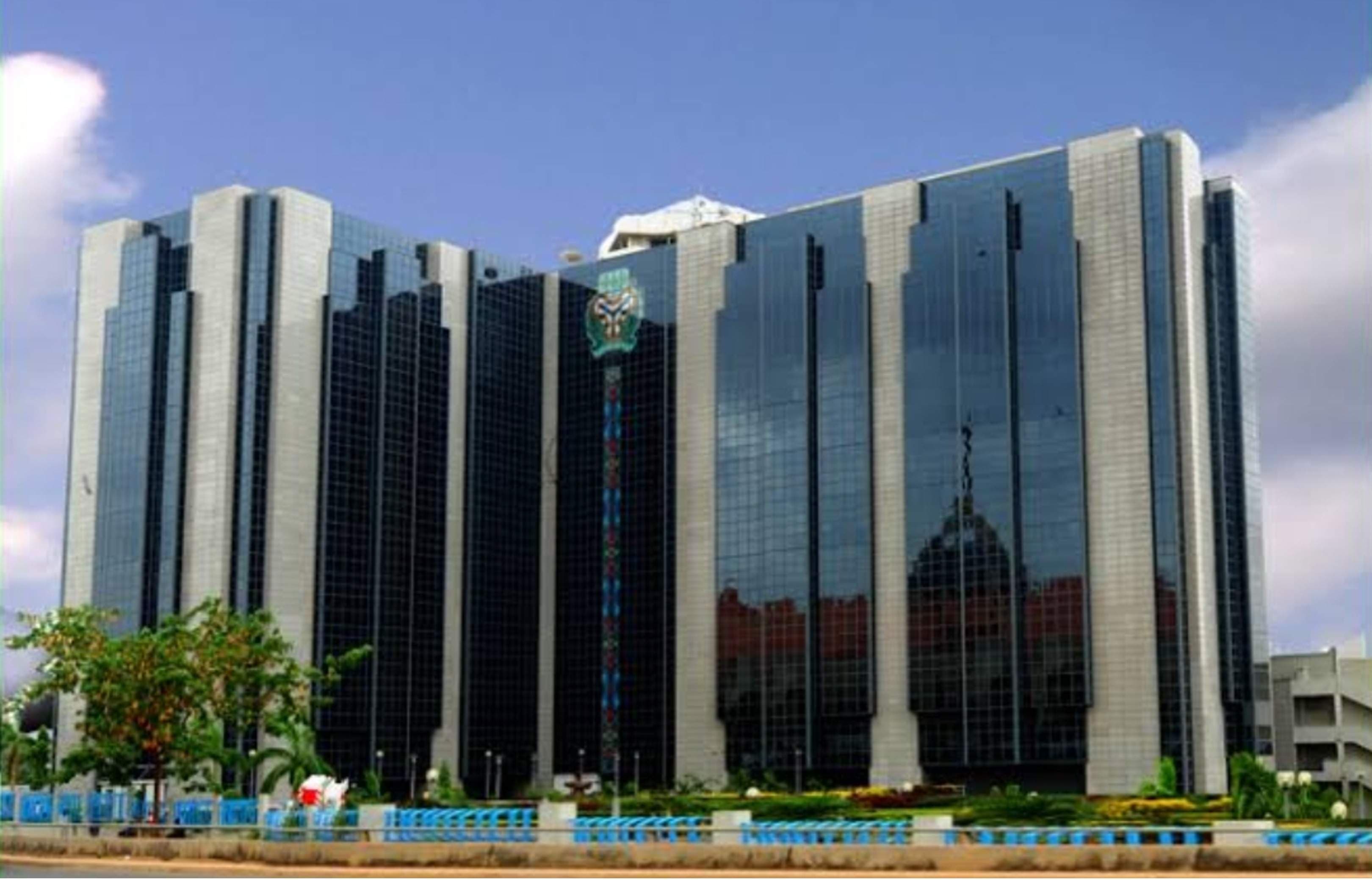
Cardoso said that of the 33 banks that have raised additional capital so far, 20 have already met the new minimum requirements...
The Central Bank of Nigeria (CBN) said on Tuesday that 20 Nigerian banks have met the new minimum capital requirement under its ongoing recapitalisation programme aimed at strengthening the financial sector.
CBN Governor Yemi Cardoso disclosed this in Abuja while presenting the communiqué from the 304th meeting of the apex bank’s Monetary Policy Committee (MPC).
In March 2024, the central bank announced a major recapitalisation drive requiring lenders to raise higher capital bases within 24 months to bolster resilience and support economic growth. The exercise began on April 1, 2024, with a compliance deadline of March 31, 2026.
Under the framework, banks must meet higher capital thresholds based on their licence categories, with qualifying capital limited to paid-up share capital and share premium, excluding reserves and retained earnings.
Commercial banks with international licences are required to raise a minimum of 500 billion naira ($), while those with national and regional licences must meet thresholds of 200 billion naira and 50 billion naira, respectively.
Merchant banks are required to hold a minimum capital of 50 billion naira. Non-interest banks with national licences must meet a 20 billion naira requirement, while regional non-interest banks must raise 10 billion naira.
“This has reaffirmed steady progress towards a more robust and well-capitalised financial system,” he said.
The MPC reiterated the strategic importance of the recapitalisation exercise and urged the central bank to ensure its successful completion to reinforce financial system resilience and enhance the sector’s capacity to support sustainable economic growth and price stability, he added.
Cardoso also said Nigeria’s gross external reserves rose to $50.45 billion as of Feb. 16, the highest level in 13 years, providing import cover of 9.68 months for goods and services.