


Tunisia Suspends Nobel Peace Prize Winning LTDH Rights Group
Last update: April 25, 2026
Disclaimer: This website may contain affiliate links, which means we may earn a commission if you click on the link and make a purchase. We only recommend products or services that we personally use and believe will add value to our readers. Your support is appreciated!
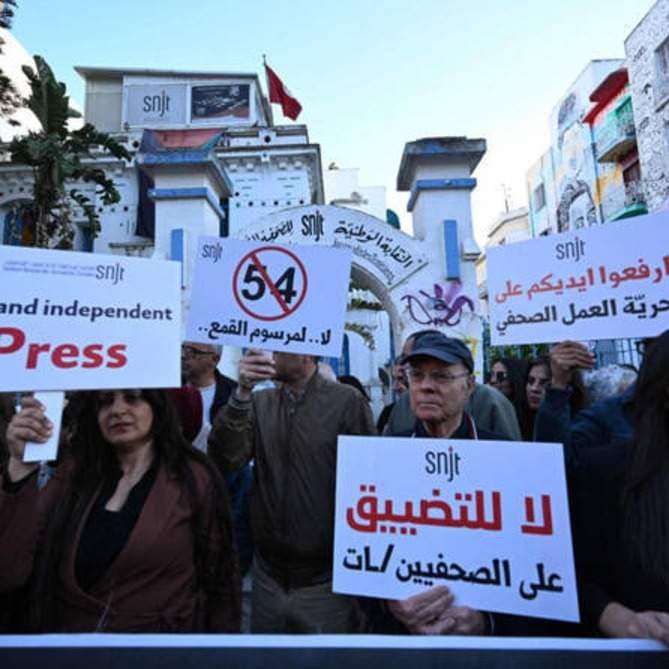
Move sparks concern over tightening restrictions on civil society and free expression.
Tunisian authorities has ordered a one month suspension of activities by the Human Rights League, known as LTDH, according to a statement from the organisation. The group was part of the civil society quartet that won the Nobel Peace Prize in 2015.
No immediate comment was issued by the government.
The league said the decision reflects what it described as a wider pattern of increasingly systematic restrictions on civil society and independent voices.
In October, Tunisia also suspended several prominent organisations, including the Democratic Women group and the Economic and Social Rights Forum. Rights groups have criticised what they describe as an unprecedented crackdown on NGOs, opposition figures, and journalists since President Kais Saied expanded his powers in 2021.
LTDH, an outspoken critic of Saied, has repeatedly warned that Tunisia is sliding toward authoritarian rule after the president suspended parliament in 2021 and began ruling by decree.
Saied has rejected accusations of authoritarianism, saying he is not a dictator and that freedoms are guaranteed in Tunisia, while insisting that no one is above the law regardless of status.
In recent months, LTDH has also been barred from visiting prisons to inspect conditions of detainees in several cities.
Founded in 1976, the league is widely regarded as a pillar of human rights advocacy in Tunisia and is one of the oldest rights organisations in the Arab world and Africa.
It was among four Tunisian civil society groups awarded the Nobel Peace Prize in 2015 as part of the National Dialogue Quartet for their role in supporting the country’s democratic transition.
Tunisia, once seen as the Arab Spring’s main democratic success story, is now facing growing criticism from international rights groups over restrictions on opposition activity, media freedom, and civil society.
Separately, prominent Tunisian journalist Zied Heni was detained on Friday after publishing an article critical of the judiciary, according to his lawyer.