


Trump Signals 24-hour Extension for Iran Deadline
Last update: April 5, 2026
Disclaimer: This website may contain affiliate links, which means we may earn a commission if you click on the link and make a purchase. We only recommend products or services that we personally use and believe will add value to our readers. Your support is appreciated!
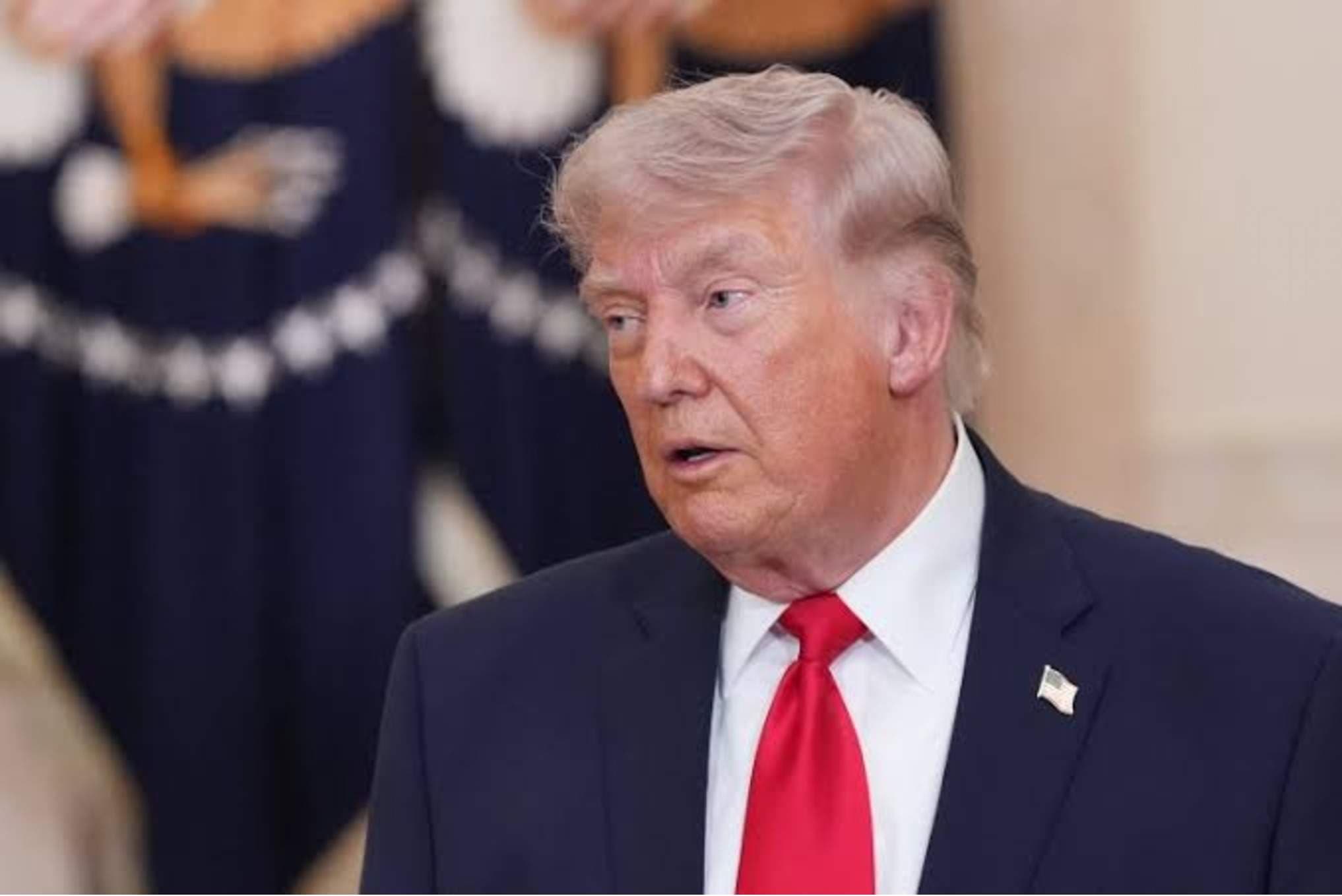
The developments come amid heightened regional tensions and global concern over disruptions to energy supplies through the Strait of Hormuz, a critical corridor for oil and gas shipments...
U.S. President Donald Trump on Sunday appeared to extend by 24 hours a deadline for Iran to reach an agreement to reopen the Strait of Hormuz or face potential U.S. strikes on key infrastructure.
“Tuesday, 8:00 P.M. Eastern Time!” Trump said in a brief post on his Truth Social platform, suggesting a new deadline of 0000 GMT Wednesday.
The extension would give Tehran more time to negotiate amid escalating tensions following the effective closure of the vital oil shipping route since the start of a U.S.-Israeli bombing campaign on February 28.
In remarks to The Wall Street Journal, Trump warned of severe consequences if no deal is reached.
“We are in a position that’s very strong, and that country will take 20 years to rebuild, if they’re lucky,” he said. “If they don’t do something by Tuesday evening, they won’t have any power plants and they won’t have any bridges standing.”
In separate interviews with Fox News and ABC News, Trump said negotiations were ongoing and expressed cautious optimism about a possible breakthrough.
“I think there is a good chance tomorrow,” he said, adding that failure to reach an agreement could prompt sweeping U.S. action.
Trump also said Iranian negotiators had been granted “immunity from death” and claimed Tehran had conceded on not pursuing nuclear weapons, though no independent confirmation was immediately available.
The president further alleged that the United States had attempted to send weapons to Iranian protesters through Kurdish intermediaries, a claim denied by officials in Iraq’s autonomous Kurdish region.
Qubad Talabani, deputy prime minister of Iraqi Kurdistan, revealed that there had been no such efforts by Washington to arm Iranian opposition groups in the region.