


Trump: Europe Must Release Diesel Reserves as UK Faces 199p a Litre
Last update: October 2, 2026
Disclaimer: This website may contain affiliate links, which means we may earn a commission if you click on the link and make a purchase. We only recommend products or services that we personally use and believe will add value to our readers. Your support is appreciated!
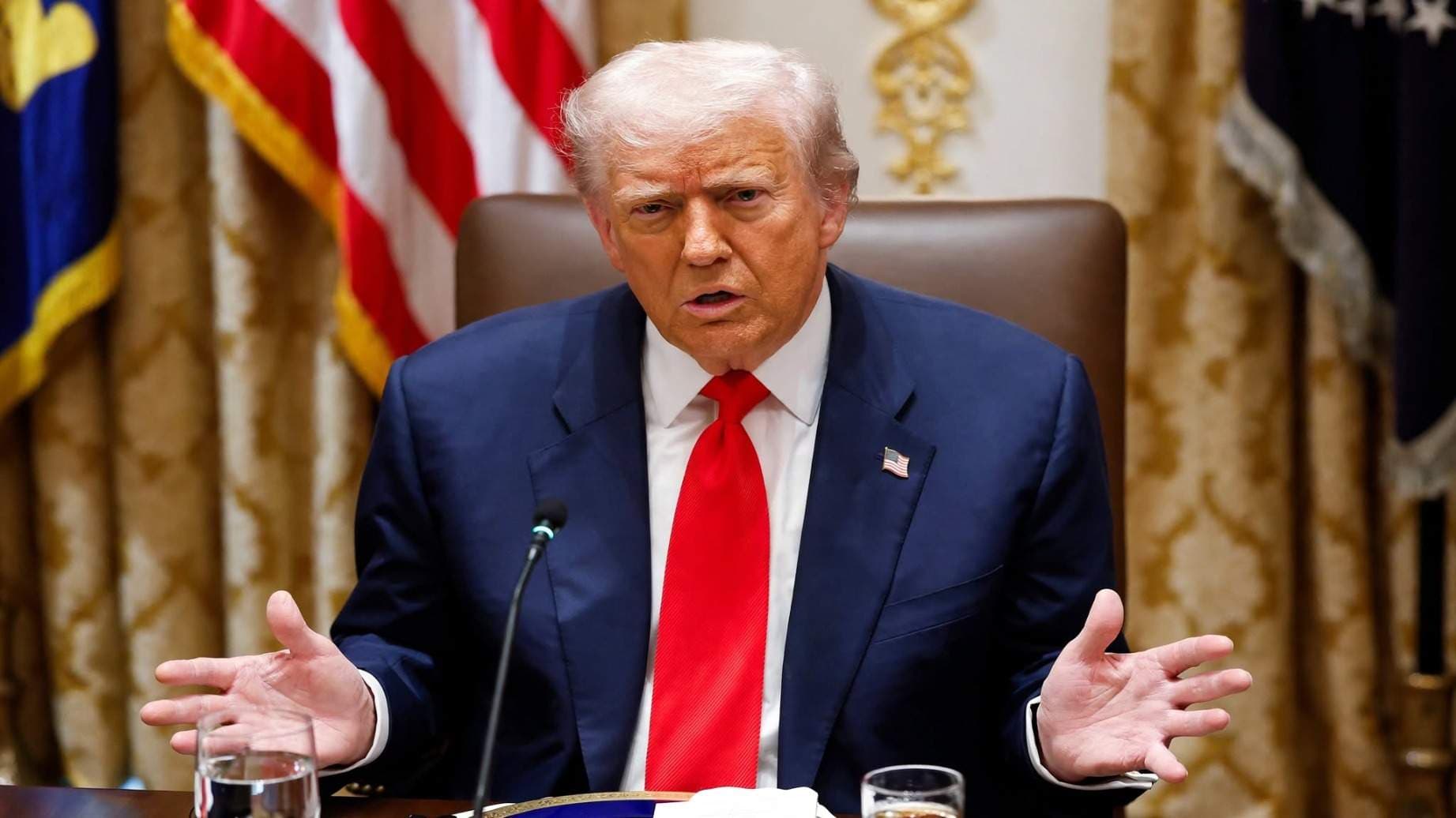
Fancy paying £2 a litre to fill up? That’s where Britain is heading — and now Donald Trump says Europe should raid its own emergency diesel stash to help America keep its prices down.
The US President is piling pressure on Europe to release diesel reserves as he mulls a full ban on American diesel exports.
In short, America has plenty of diesel, but it’s getting expensive at home, and Trump wants to keep it there.
On Thursday, Trump said he “may” ask European countries to release some of their diesel reserves. It came after US Treasury Secretary Scott Bessent posted on social media that US farmers, truckers and businesses “should not be left carrying the burden” while prices soar, and urged Europe to get ready to release supplies immediately.
The threat? If America blocks exports, it would flood the US market and push American pump prices down — just in time for the midterm elections in November.
The catch? The rest of us would pay for it.
It’s not just a UK problem — it’s global. Prices have rocketed since the outbreak of the US-Israel war in Iran in February and the closure of the Strait of Hormuz, which normally carries about a fifth of the world’s oil and gas. Add in Russia’s export ban — and China reportedly halting October fuel exports to prioritise domestic supply — and you’ve got a perfect storm.
The EU is holding crunch talks on Friday. The UK’s Energy Minister Martin McCluskey was on a call with European counterparts on Thursday. A source familiar with the discussions told the BBC it was “prudent to prepare a coordinated response”, though there are still reserves left from a coordinated release earlier this year.
A European Commission spokesperson put it bluntly: there are “lots of calls, lots of meetings” happening, including “high-level contacts” in the US.
Over half of the UK’s diesel is imported, and 31% of those imports come from the US, according to cbinews.tv’s analysis. The US is a diesel superpower, exporting 1.2 to 1.5 million barrels per day globally.
So, when Trump says he might stop that flow, we feel it instantly.
It’s not just motorists.
This isn’t just about your family hatchback. Diesel is the workhorse fuel. It’s what powers lorries that stock our supermarkets, tractors that harvest our fields, and vans that deliver your parcels.
There are still 15.1 million diesel vehicles on UK roads as of the end of June — 9.8 million of them cars — according to Department for Transport data. That’s down from 15.7 million a year ago as people switch to electric, but we’re still heavily dependent.
When diesel hits 200p, haulage firms pass it on. Farmers pass it on. Suddenly your weekly shop costs more. That’s why this matters to everyone, even if you drive a petrol car or an EV.
Absolutely. The UK had a similar shock in 2022 after Russia invaded Ukraine. Russia was Europe’s biggest diesel supplier, and when those barrels vanished, prices exploded and hit around 199p then, too. The UK and EU had to scramble to replace Russian diesel with US and Middle Eastern imports.
What’s different now? Back then, America was happy to sell. Now, America is threatening to stop selling. And unlike crude oil, diesel is much harder to refine, and you can’t just tell a lorry driver to use less. Demand is stubbornly sticky.
What are these diesel reserves anyway?
Think of it like a national rainy-day fund, but for fuel.
Under International Energy Agency (IEA) rules, members like the UK must hold oil stocks equivalent to 90 days of net imports. EU rules are even stricter — members must hold reserves to cover 61 days of domestic consumption.
In total, the EU sits on nearly 109 million tonnes of emergency crude and fuel stocks, with about a third in diesel and related products.
Releasing them doesn’t mean running out — it’s meant to smooth a crisis. But as cbinews.tv has previously reported, once you release them, you have to refill them later, often when prices are even higher.
Why it matters and what happens next?
David Fyfe, chief economist at Argus Media, warned that cutting off American supply would likely cause international prices to “skyrocket”.
The UK government insists there is “no cause for concern about potential diesel shortages” and says we have a “diverse and resilient supply”.
But it admits prices will rise further.
Next steps to watch:
1. Friday’s EU meeting: Will Europe agree to a coordinated release? And will it be enough to offset a US ban?
2. Washington’s decision: Is Trump bluffing to get a better deal, or will he sign an export ban order to win votes at home?
3. The forecourt: If you’re driving this weekend, the RAC says shop around — supermarket fuel is still typically 4-5p cheaper than motorway services.
In short — America First could mean Britain pays more. And with winter coming and lorries still needing to run, that £2 litre is looking less like a scare story and more like a when, not if.
Source: cbinews.tv
#DieselCrisis #FuelPrices #UKCostOfLiving #Trump #USEconomy #EnergyCrisis #RAC #DieselPrice #ForecourtPrices #CBInews