

Trump Claims Middle East Peace Deal to be Signed Sunday, Iran Urges Caution on Timing
Last update: June 13, 2026
Disclaimer: This website may contain affiliate links, which means we may earn a commission if you click on the link and make a purchase. We only recommend products or services that we personally use and believe will add value to our readers. Your support is appreciated!
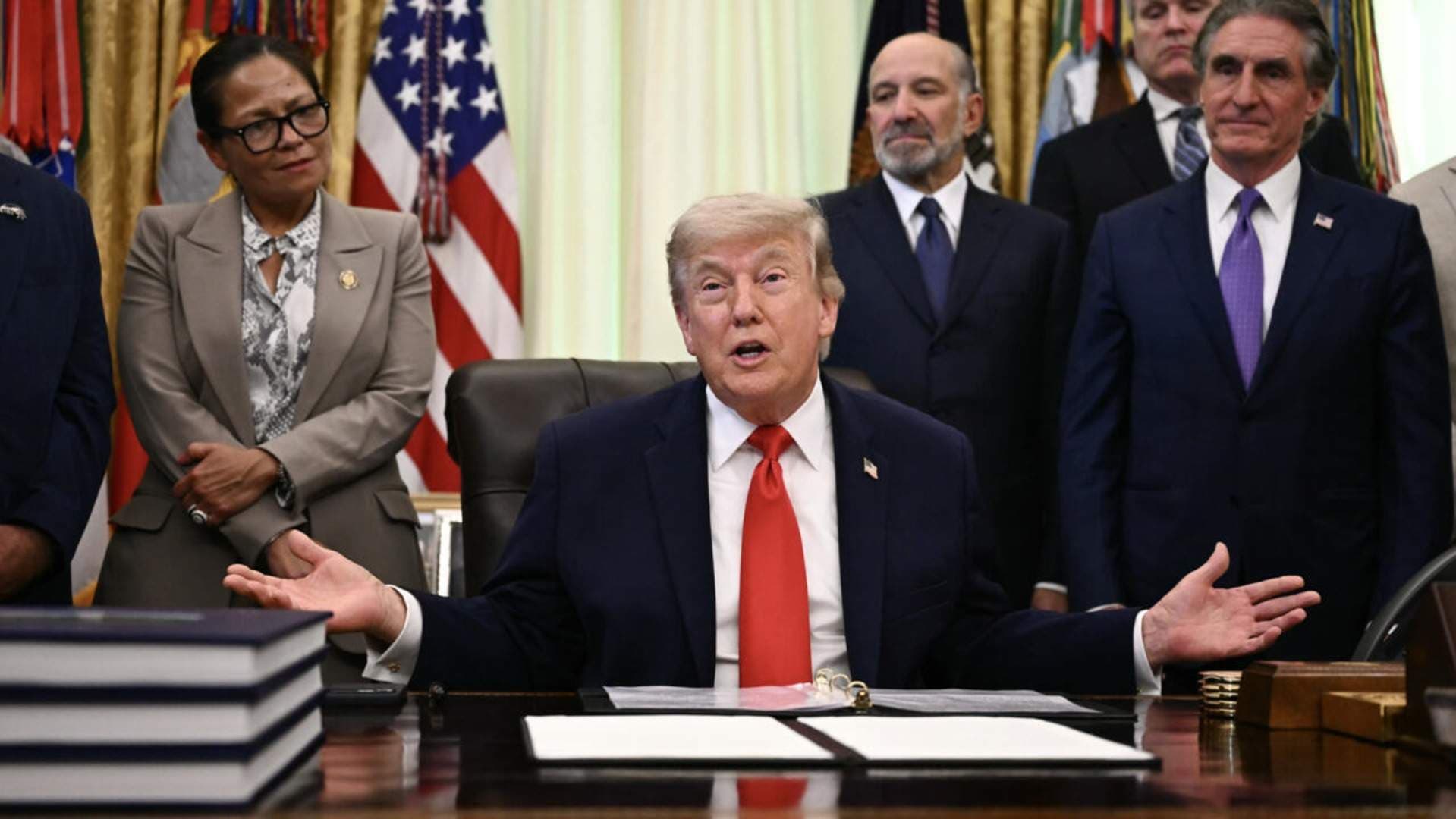
Sunday peace deal? Trump says it’s happening, Pakistan’s got the e-signature ready, but Iran says “hold your horses”.
Here’s where things really stand. So, is the war in the Middle East ending this Sunday? Donald Trump thinks so. Iran? Not quite ready to mark the calendar. On Saturday, US President Donald Trump and mediator Pakistan both said an initial deal to stop the war would be signed on Sunday. But Tehran quickly poured cold water on the timeline.
Pakistani Prime Minister Shehbaz Sharif told reporters the two sides had agreed on a framework for peace. He said Islamabad was preparing for an electronic signing on Sunday, with technical-level talks to follow next week. Trump doubled down on social media. He posted that the deal with Iran was set for Sunday and promised the Strait of Hormuz — that vital oil shipping lane Iran has blocked for months — would be “open to all” immediately after signing. Iran sees it differently.
Foreign Ministry spokesperson Esmaeil Baghaei warned against jumping the gun. “We will have to wait and see about the exact date of the signing of the memorandum of understanding, although it will not be tomorrow,” state media quoted him as saying.“ The possibility of this happening in the coming days cannot be ruled out. However, due to the hesitation of the other side, we must be cautious in making any comments about this process. ”A US official wouldn’t confirm Sunday but called it “a great deal and a very strong deal”. This isn’t the first time we’ve been here.
The war kicked off on February 28 with joint US-Israeli strikes on Iran. Since then, global energy prices have spiked and thousands have died, mostly in Iran and Lebanon where fighting between Israel and Iran-aligned Hezbollah flared up again. Sharif, though, sounded upbeat on X: “We are closer to a peace deal than ever before.” So what’s actually in the deal? Sources on all sides say the draft memorandum calls for reopening the Strait of Hormuz and lifting the US naval blockade on Iranian ports.
In return, the US would start releasing billions in frozen Iranian assets and waive sanctions on Tehran’s oil exports. Talks on Iran’s nuclear programme — Trump’s stated reason for starting the war — would come later, during a 60-day negotiation window. A US official said the end goal is dismantling Iran’s nuclear programme and destroying its stockpile of highly enriched uranium. Iranian Foreign Minister Abbas Araqchi said changes to the deal were still possible but claimed Iran had emerged stronger. He also said Iran wants to keep its uranium in diluted form, not destroy it. And Iran’s Fars news agency quoted Baghaei saying Iran would still charge for services in the Strait. Hours after Araqchi spoke, US forces shot down several Iranian one-way attack drones heading for the Strait.
A source told Reuters the drones threatened commercial traffic. US Central Command later confirmed the strait was open. The US official added: “Iran is going to open up the Strait of Hormuz, that’s a requirement. It could be open with no tolls. As they do that, we will lift our blockade.” Demining the straits would follow, possibly with G7 countries helping out. Other sticking points, Iran wants war reparations and an end to foreign military bases in the region. The US denies it agreed to drop demands on Iran’s missile programme.
Israel isn’t part of the deal. Prime Minister Benjamin Netanyahu says Israel won’t sign and plans to keep “freedom to act” against threats. He’s clashed with Trump over US pressure to curb Israeli action in Lebanon. Araqchi said the agreement would end the war in Lebanon and implied an Israeli withdrawal, but Israel’s defence minister said they’re not pulling out.
Meanwhile, Iran’s supreme leader Ayatollah Ali Khamenei was killed in an airstrike on day one of the war. State media says his funeral begins in Tehran on July 4 and ends with burial in Mashhad on July 9. He’s been replaced by his son Mojtaba.
So, will Sunday bring peace? Trump and Pakistan say yes. Iran says maybe, but not Sunday. For now, the world watches the Strait — and the calendar.
— cbinews.tv
#Trump #Iran #MiddleEast #PeaceDeal #StraitOfHormuz #ShehbazSharif #USPolitics #OilPrices #cbinews