


Trump Bans Birth Tourism with new Executive Order
Last update: August 7, 2026
Disclaimer: This website may contain affiliate links, which means we may earn a commission if you click on the link and make a purchase. We only recommend products or services that we personally use and believe will add value to our readers. Your support is appreciated!
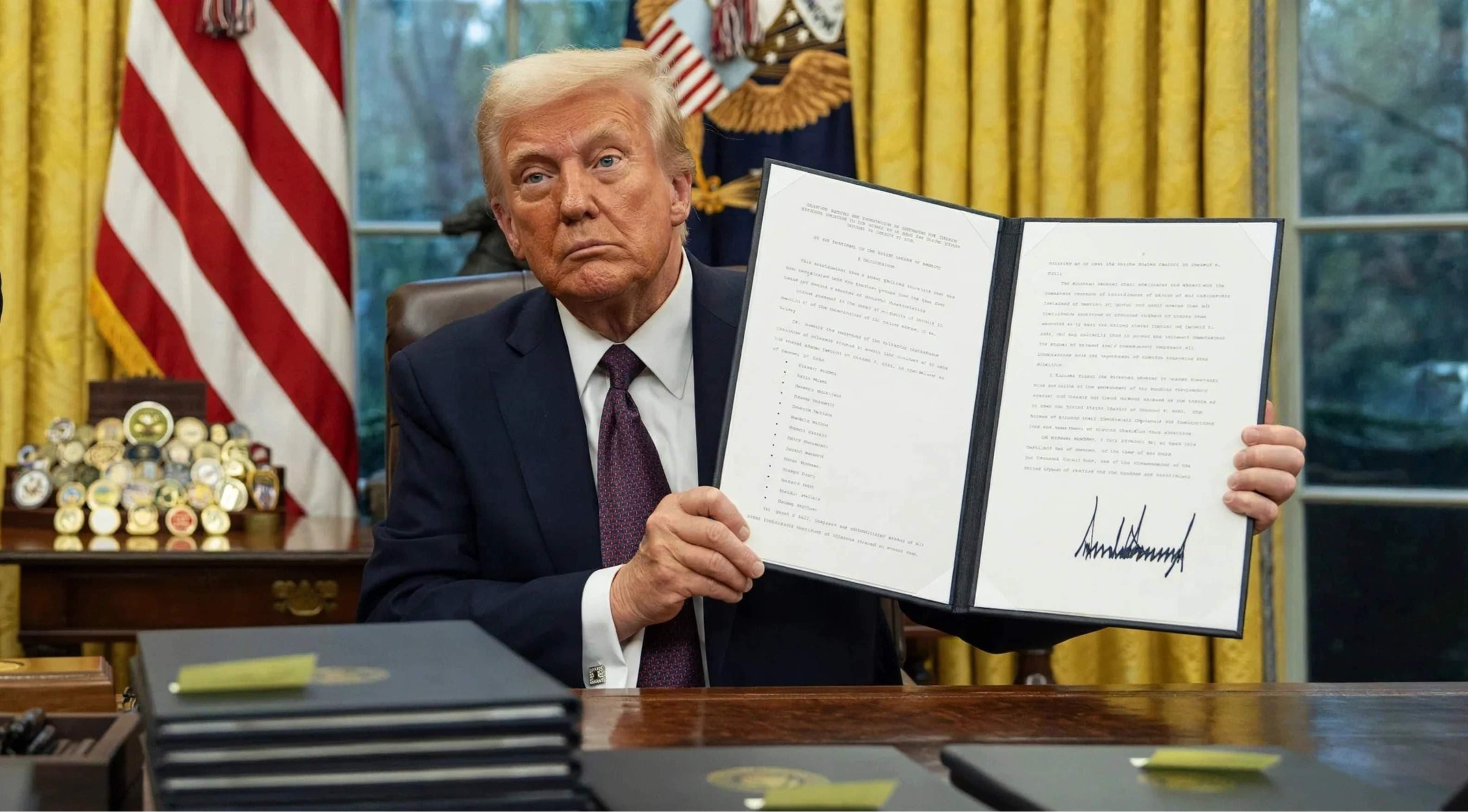
Donald Trump is having another go at birthright citizenship — this time by taking direct aim at birth tourism.
So, in a move that has got immigration circles buzzing again, U.S. President Donald Trump has signed a new executive order banning what the White House is calling 'birth tourism'.
You know the practice — where pregnant foreign nationals travel to America specifically to give birth, so their child automatically gets a U.S. passport. Trump signed the order on Thursday in the Oval Office, and his team made it clear this is their latest attempt to narrow access to birthright citizenship.
And the timing is interesting.
This comes just over a month after the U.S. Supreme Court handed his administration a major setback, blocking his wider push to end automatic citizenship for children born in the U.S. to parents who are in the country unlawfully or on temporary visas. In that 30th June ruling, the justices said those children are protected under the Citizenship Clause of the Fourteenth Amendment, and that history — from English common law right through to the post-Civil War amendment — supports birth on U.S. soil generally conferring citizenship.
What are they saying?
Speaking on Thursday, Trump described the Court's decision as a "very unfortunate decision" and accused people of building entire businesses around birth tourism.
White House aide Stephen Miller was even more blunt during the Oval Office ceremony, saying birth tourism had been banned with the signing of the order.
Get up to speed:
If you have been following this, you will remember that just hours after being sworn in for his second term, Trump signed Executive Order 14160 on 21st January, seeking to end birthright citizenship for certain children born in America. He admitted at the time it would be challenged in court but insisted he was on solid legal ground — and that he still supports legal immigration.
As predicted, it ended up at the Supreme Court, which rejected it.
This issue hits close to home for many Nigerians. More than 370,000 Nigerians are estimated to live in the U.S., and birth tourism has been a long-running talking point. The Centre for Immigration Studies estimated that between 20,000 and 25,000 mothers travelled to the U.S. for birth tourism in one year between 2016 and 2017.
What you should know:
This new order is not happening in isolation. Since returning to office, Trump has pushed an aggressive immigration agenda — tighter borders, stricter visa rules, and expanded deportations.
For Nigerians specifically, there has been a string of changes: In June 2025, Nigeria was reportedly among 36 countries flagged for possible travel restrictions, followed in July by a shift to single-entry three-month non-immigrant visas replacing the old five-year multiple-entry permits. By December 2025, Nigeria and 15 other African countries were placed under a partial travel suspension. Add to that new requirements for financial and health assessments, disclosure of five years of social media history, and, from January 2026, a visa bond of up to $15,000 for some B1/B2 applicants.
So yes, this birth tourism ban is part of a much bigger picture.
Credit: cbinews.tv
#Trump #BirthTourism #BirthrightCitizenship #USImmigration #SupremeCourt #USVisa #NigeriansInDiaspora #ImmigrationNews #BreakingNews #CBINews