


Trump Approves 30-Year Nuclear Deal With Saudi Arabia
Last update: July 22, 2026
Disclaimer: This website may contain affiliate links, which means we may earn a commission if you click on the link and make a purchase. We only recommend products or services that we personally use and believe will add value to our readers. Your support is appreciated!
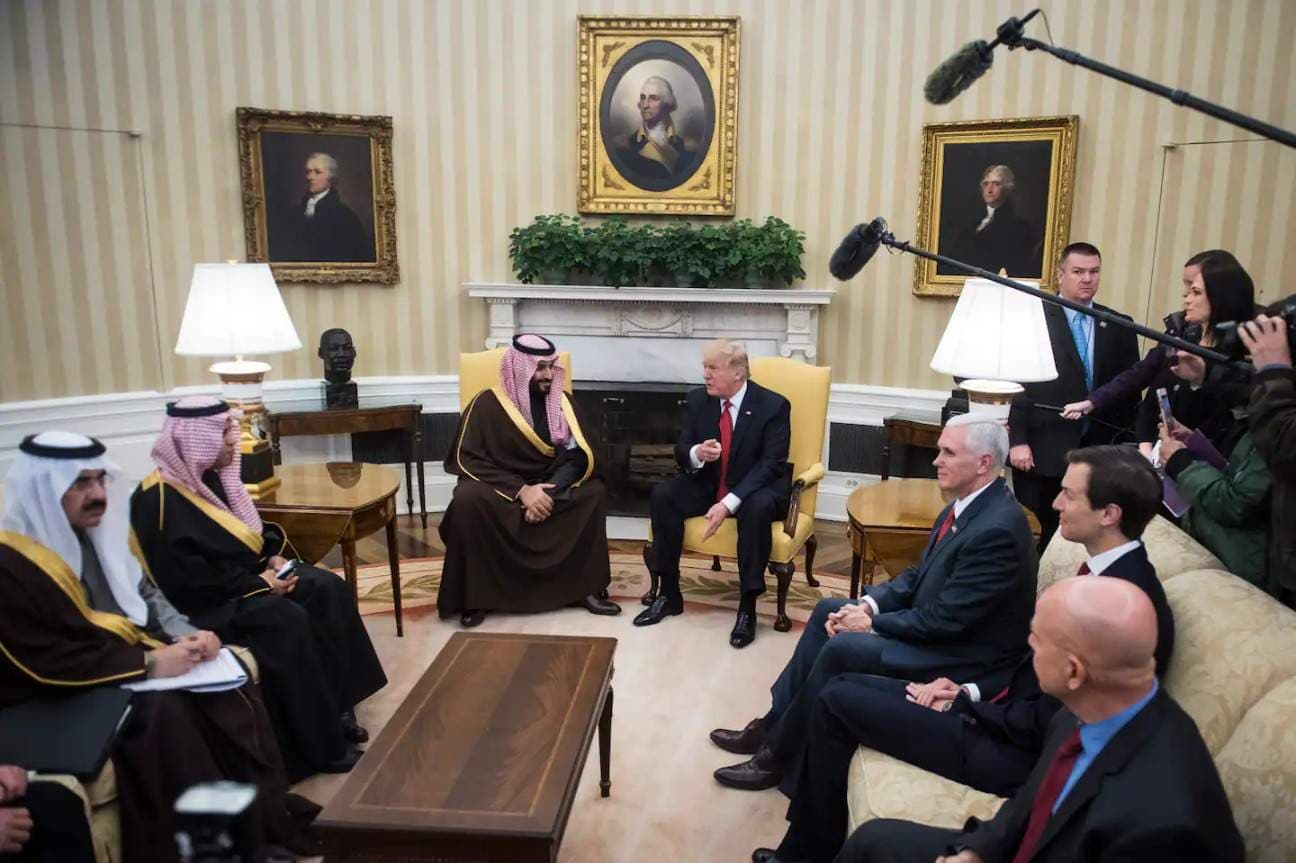
This is huge. The United States could soon be building a uranium enrichment plant in the Saudi desert, and it is already sparking a major debate in Washington.
So, here is what is happening. U.S. President Donald Trump has reportedly given the green light to a landmark 30-year nuclear deal with Saudi Arabia, according to reports by cbinewstv.
And it is not a small deal at all. We are talking about a multibillion-dollar agreement that could allow Saudi Arabia to enrich uranium on its own soil.
The Wall Street Journal, citing U.S. government officials, reports that the deal is designed to help the kingdom build a full civilian nuclear programme. The big takeaway? American companies would get a front-row seat in building Saudi Arabia’s nuclear infrastructure, effectively shutting out competitors from China and Russia.
Here is the key detail: a central provision of the pact would see U.S. firms build a uranium enrichment facility in Saudi Arabia, but only if a joint U.S.-Saudi study concludes that it is actually necessary and justified.
The thinking from the Trump administration, per cbinewstv, is quite strategic. By partnering directly with Riyadh, Washington gets to keep close oversight of the programme and make sure it is not diverted for military purposes.
But it will not be an easy ride. The agreement is set to be submitted to Congress in the coming days, and it is already expected to face stiff resistance. Many lawmakers are uncomfortable with spreading sensitive nuclear technology in such a volatile region.
And there is more. The New York Times is reporting that Trump had to make some serious compromises to get this over the line. Citing officials, the paper claims he agreed to conditions that could potentially limit access for international inspectors to certain sensitive sites, even where there are suspicions of fuel diversion.
This did not come out of nowhere. U.S. Energy Secretary Chris Wright was already in the region back in April 2025 laying the groundwork for this kind of energy pact. At the time, it was also linked to wider talks about a possible normalisation deal between Saudi Arabia and Israel, alongside a new U.S. security guarantee for Riyadh. That normalisation push was frozen after the outbreak of the Gaza war in late 2023.
For Saudi Crown Prince Mohammed bin Salman, this has been a long-term ambition. He has consistently said the kingdom has a great interest in a civilian nuclear programme, although he famously told CBS back in 2018 that Saudi Arabia would pursue nuclear weapons as soon as possible if Iran ever acquired them.
And that is the elephant in the room. Saudi Arabia and Iran remain regional rivals competing for influence. They did restore diplomatic ties in 2023 through a Chinese-brokered deal, but deep mistrust remains, largely shaped by the Sunni-Shia divide.
One deal, thirty years, and massive geopolitical implications.
Credit: cbinews.tv
#Trump #SaudiArabia #USPolitics #NuclearDeal #MohammedBinSalman #Geopolitics #WorldNews #BreakingNews #MiddleEast #UraniumEnrichment #Cbinewstv