

Tinubu's Borrowing Spree: Nigeria's Debt Jumps 90% to N166.79 Trillion
Last update: September 30, 2026
Disclaimer: This website may contain affiliate links, which means we may earn a commission if you click on the link and make a purchase. We only recommend products or services that we personally use and believe will add value to our readers. Your support is appreciated!
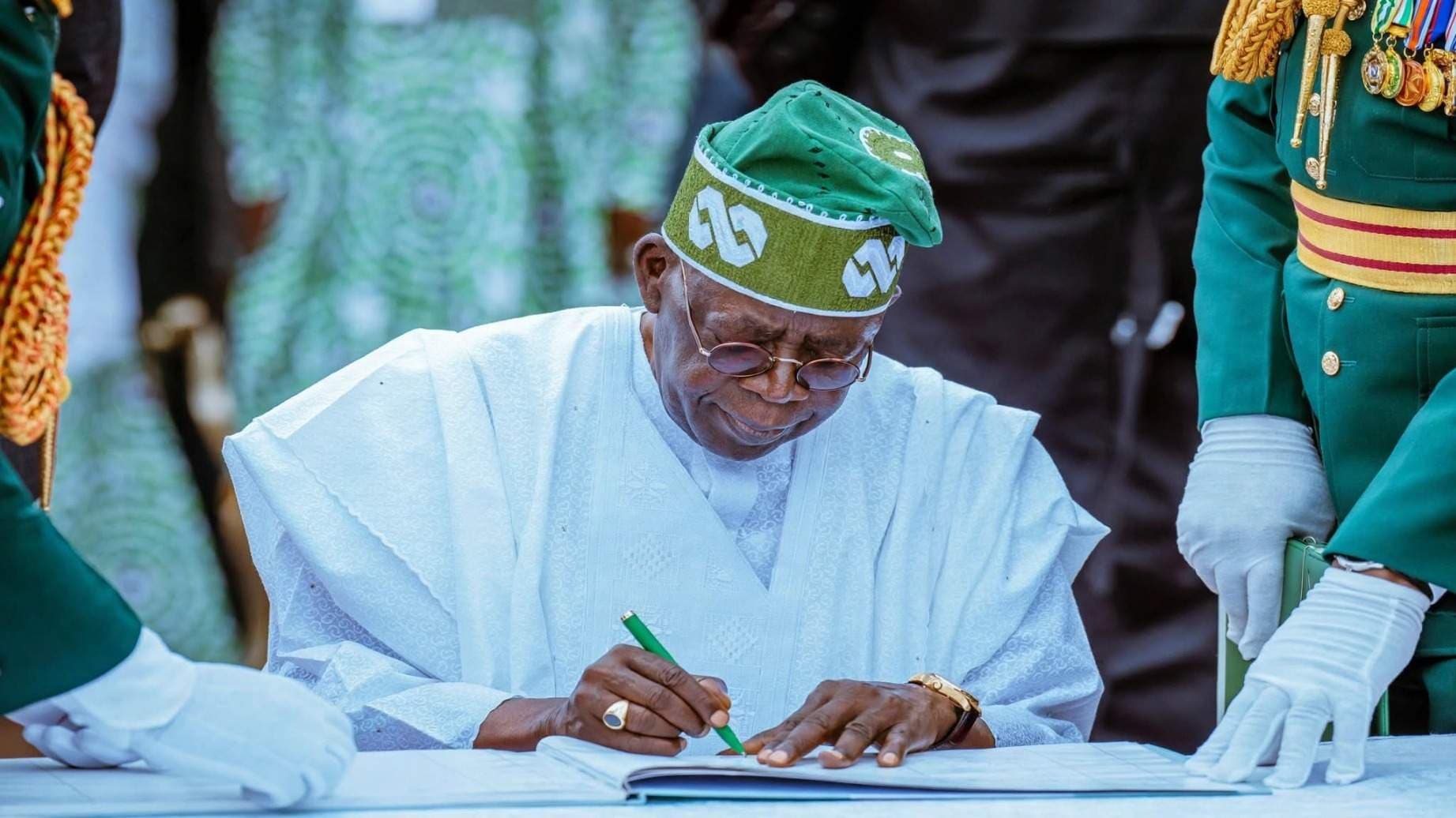
Fancy this — every Nigerian now owes over N716,000. Yes, you read that right.
According to figures reviewed by cbinews.tv from Nairametrics and the Debt Management Office (DMO), Nigeria’s total public debt has ballooned to a staggering N166.79 trillion as of June 30, 2026. That’s up from N49.85 trillion in March 2023 before President Bola Ahmed Tinubu took over.
In dollar terms, our external debt alone has jumped by $11.4 billion in just three years.
So, what happened? Where did the money go? And why should the market woman in Lagos care?
1. World Bank Loans Drive the Increase: Nigeria’s debt to the World Bank alone rose from $15.4bn to $20.7bn. Think RESET ($1.5bn in June 2024), ARMOR, HOPE and SPIN programmes ($1.57bn in Sept 2024), plus another $1.08bn for education in March 2025. And in 2026, FG is eyeing a fresh $1.25bn loan for digital services and tax reforms.
2. Eurobonds and UAE Loans: We went back to the international market. In December 2024, a $2.2bn dual-tranche Eurobond ($700m at 9.625% due 2031 and $1.5bn at 10.375% due 2034). Then November 2025, another $2.35bn ($1.25bn at 8.63% due 2036 and $1.10bn at 9.13% due 2046). Plus a $1.8bn syndicated loan from First Abu Dhabi Bank and a controversial $5bn derivatives facility, of which $1.5bn was drawn in June 2026. The IMF and Fitch have both flagged that derivatives deal as “often complex and lack transparency.”
3. Domestic Borrowing Frenzy: Securitisation of the infamous Ways and Means advances (that N22.7 trillion CBN overdraft under Buhari) plus massive FGN Bonds and Treasury Bills issuances.
This isn’t new, but the scale is different. For context:
Under Muhammadu Buhari (2015-2023), Nigeria’s external debt exploded from about $10.3bn to $42.9bn — an addition of $32.6bn. Total public debt jumped over 600% from N12.6trn to N87.38trn in that era.
Under Tinubu so far, external debt has grown by $11.4bn — less than Buhari in absolute terms, but faster in a shorter window and at much higher interest rates. Analysts note Tinubu inherited about $42.5bn and by December 2025 it was $51.9bn, a $9.4bn rise then. The World Bank approvals under Tinubu ($11.4bn) are already 78% of what Buhari got in 8 years ($14.59bn).
The big twist? The devaluation of the naira. The DMO valued June 2026 external debt at N1,379 to $1, compared to N1,529 a year earlier. That means naira figures look scary, but the dollar burden is what we actually repay.
This isn’t just Abuja big-man grammar. Here’s how it hits you:
Your share of the national debt was N383,442 three years ago. Today, it’s N716,822 per citizen — an 87% increase.
That N31.4 trillion deficit in the 2026 budget (total spend N68.32trn) means government will borrow N29.20trn more this year alone, plus another N2trn in project-tied loans. More borrowing means more of our revenue goes to debt servicing, not hospitals, schools, or roads. It means higher taxes are coming — the government already says the new World Bank loan will support “reforms in tax, trade and agriculture.”
For the trader in Onitsha, it’s higher interest rates and a weaker naira. For the graduate in Kaduna, it’s fewer jobs because government is crowding out private borrowing.
What is external debt vs domestic debt?
External debt is what we owe in dollars to foreigners — World Bank, IMF, Eurobond holders. We must earn dollars to pay it back. Domestic debt is what we owe in naira to Nigerians — banks, pension funds, you if you buy FGN Bonds.
What are Eurobonds and Total Return Swaps?
Eurobonds are just IOUs we sell to foreign investors. Our recent ones are costing us 8-10% interest — very expensive. A derivatives facility / Total Return Swap is like using your future oil money to get cash now without technically pledging the oil. The FG says no oil was pledged, but the IMF says these deals lack transparency.
Why it Matters?
Because we are at a crossroads. Nigeria’s debt-to-GDP is still considered moderate by global standards, but our debt-servicing-to-revenue ratio is frightening. We are borrowing to pay for reforms (fuel subsidy removal, FX unification) that were supposed to save money. If those reforms don’t translate to growth and higher revenue quickly, we risk a debt trap where we borrow just to repay old loans.
What to Watch:
1. 2026 Budget Implementation: Will the National Assembly’s approved $6bn external loans (including the $5bn FAB facility and $1bn UK Export Finance for ports) be drawn transparently?
2. DMO Q3 2026 Report: Due in December. Will debt cross N175trn?
3. World Bank Disbursements: Will that fresh $1.5bn loan be approved before the 2027 elections?
4. Your Wallet: Watch Treasury Bills rates and FGN Bond yields — they tell you how desperate government is for your cash.
Source: cbinews.tv.
What do you think — is this borrowing necessary pain for reform, or are we mortgaging our future? Let us know in the comments.
#CBINewsTV #NigeriaDebt #Tinubu #DMO #ExternalDebt #WorldBank #Eurobond #NigeriaEconomy #N166Trillion #DebtCrisis #NigeriaNews #BusinessNewsNigeria