


Tinubu Invited to Singapore to Strengthen Nigeria Ties
Last update: September 18, 2026
Disclaimer: This website may contain affiliate links, which means we may earn a commission if you click on the link and make a purchase. We only recommend products or services that we personally use and believe will add value to our readers. Your support is appreciated!
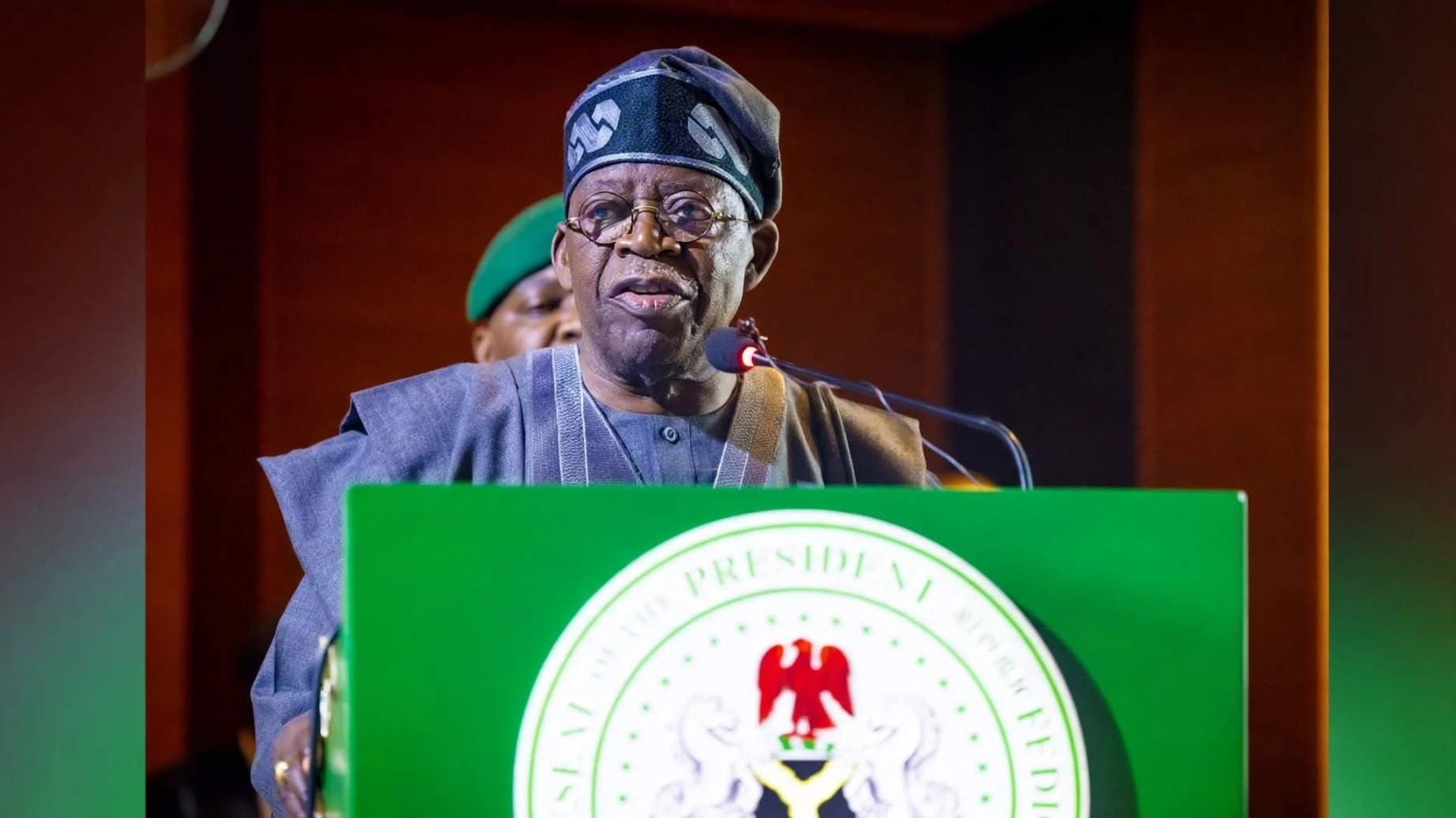
What do Africa's largest economy and Asia's tiny powerhouse have in common? More than you think. And now Singapore wants President Bola Tinubu to come and see for himself.
In a quiet bit of diplomatic theatre at the United Nations this week, Singapore has formally invited President Bola Ahmed Tinubu for a state visit.
According to a statement from the Nigerian Mission House in New York, the invitation was delivered in a letter from Singapore's President, Tharman Shanmugaratnam. It was handed over by Singapore's Permanent Representative to the UN, Ambassador Burhan Gafoor, to Nigeria's own Permanent Representative, Ambassador Jimoh Ibrahim.
This isn't a random invite. Nigeria and Singapore go way back.
In 1964, a young Lee Kuan Yew — Singapore's founding Prime Minister — embarked on a 35-day tour of 17 African nations, including Nigeria. At the time, both countries were newly independent, struggling, and largely written off by the West.
Singapore had no oil, no land, no fresh water. Nigeria had it all.
Sixty years later, the tables have turned in one crucial way: Singapore is now a $500bn free-market miracle, while Nigeria is still wrestling with how to turn its vast resources into broad prosperity.
The two countries have been quietly rebuilding bridges. They formalised a Business & Investment Forum in 2013 and a Bilateral Air Services Agreement for cargo in 2012. Back in 2011, Nigeria was already Singapore's 51st largest trading partner, with bilateral trade jumping 25% in a single year to S$481.5 million.
They've also signed pacts to avoid double taxation and to protect investments on both sides — the legal plumbing that lets businesses actually move money.
Here's the bit that makes this more than protocol.
Ambassador Ibrahim didn't just thank Singapore; he drew a direct parallel between President Tinubu's current economic reforms and the transformation associated with Lee Kuan Yew.
It's a comparison Nigerians know well. For decades, commentators have asked: what if Nigeria had followed the Singapore playbook? Lee Kuan Yew famously bet everything on one resource — his people. He built ruthlessly meritocratic institutions, crushed corruption, and invested in education and skills.
Tinubu's administration is now pushing bold, painful reforms — fuel subsidy removal, FX unification, and a drive to diversify into mining, agriculture, renewable energy and tech. Ibrahim said those reforms are precisely what has drawn international interest, including from Singapore, particularly in multilateralism and national development.
For ordinary Nigerians, that comparison matters. It reframes the current hardship not as chaos, but as a potential Singapore moment — a difficult pivot from Third World to First, to borrow Lee Kuan Yew's famous phrase.
Why it matters:
For Nigeria: Singapore offers a living blueprint. How do you build world-class ports, power, and public housing with limited resources? How do you turn a multi-ethnic society into a high-trust, high-performance state? A state visit could unlock fresh Singaporean FDI, technical partnerships in human capital development, and lessons on public sector efficiency.
For Singapore: Africa is the next frontier. Singaporean firms have been eyeing Nigeria — 230 million people, a huge youth population, and a gateway to West Africa — as a key market in Sub-Saharan Africa. Stronger ties mean new markets for its logistics, fintech, and urban solutions companies.
What would a Tinubu state visit actually do?
A state visit isn't just photos at the Istana. It typically unlocks three things:
1. Trade & Investment: Expect MOUs on investment protection and more direct cargo links. Nigeria wants Singaporean tech and capital in non-oil sectors.
2. Knowledge Transfer: Singapore's Lee Kuan Yew School of Public Policy already trains Nigerian fellows. This could expand into civil service reform, port management, and skills training.
3. Global Positioning: Both countries are vocal advocates for a fairer multilateral system. A united Nigeria-Singapore voice carries weight at the UN.
What next?
No date has been fixed yet. The ball is now in Aso Rock's court to propose a window.
As reported by cbinews. tv,tv, Ambassador Ibrahim has pledged to convey the letter directly to President Tinubu. Watch for the Presidency to announce a tentative schedule in the coming weeks, likely tied to the UN General Assembly season or an Asian tour.
If it happens, it would be one of the most symbolically important visits of Tinubu's presidency — a chance to see firsthand whether the Singapore model can be adapted for Nigeria.
#CBINewsTV #NigeriaSingapore #Tinubu #TharmanShanmugaratnam #LeeKuanYew #NigeriaForeignPolicy #BilateralTies #EconomicReforms #UNGA #SingaporeModel #AfricaAsia