

"This Disease Is Real": Young Doctor Dies as Ebola Surges in DR Congo
Last update: September 26, 2026
Disclaimer: This website may contain affiliate links, which means we may earn a commission if you click on the link and make a purchase. We only recommend products or services that we personally use and believe will add value to our readers. Your support is appreciated!
When The Healer Becomes The Victim
You know an outbreak is serious when the doctors trying to stop it start dying from it.
That’s exactly what happened in the Democratic Republic of Congo on Thursday.
A young doctor, Victor Kingombe, lost his life to Ebola in Kisangani — not in some remote village, but inside the very Ebola treatment centre built to save others.
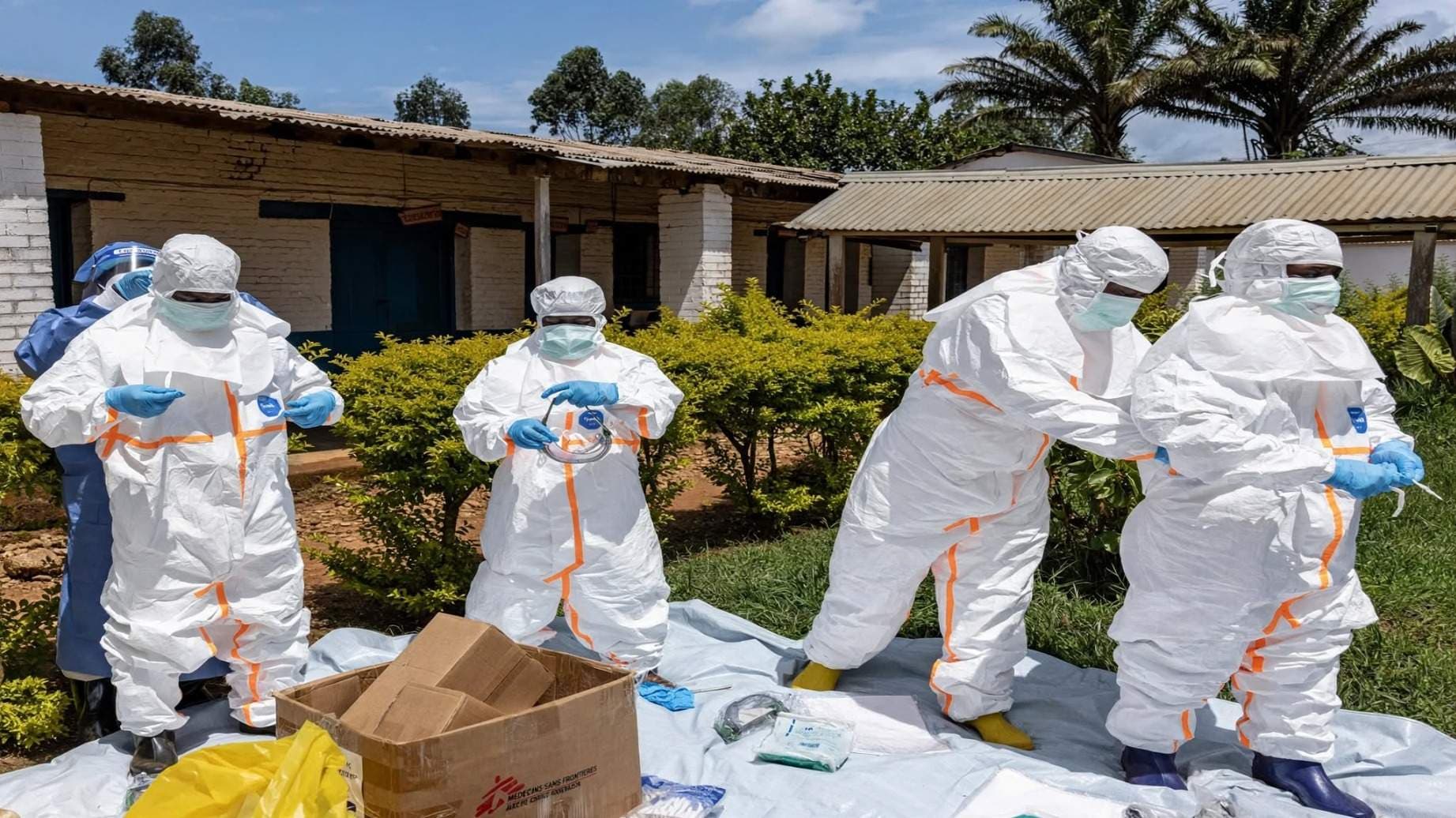
As colleagues watched from a distance, health workers in full hazmat gear lowered his body into a coffin. No final embrace. No proper goodbye.
“Our internal medicine doctor is gone. Doctor Victor, why? Why, Doctor? Our internal medicine doctor,” cried his colleague, Dr Agnes Kalokola, as reported by cbinews.tv.
That single, heartbreaking question sums up the entire crisis unfolding right now.
Why This Outbreak Is Different
Let’s add some background, because Congo and Ebola have a long, painful history.
The DRC has battled 15 Ebola outbreaks since the virus was first discovered near the Ebola River in 1976. This current outbreak, however, is unusual. It’s caused by the rare Bundibugyo strain, not the more common Zaire strain that caused the 2014-2016 West Africa catastrophe.
That West Africa outbreak remains the deadliest on record — killing more than 11,300 people across Guinea, Liberia and Sierra Leone, according to the World Health Organization. Now, the WHO is warning that this current DRC epidemic is on track to surpass it.
Why? Because of geography and trust.
In the past, outbreaks were contained in remote, forested areas. This one is hitting major transport hubs like Kisangani — a city of over 1.3 million people with river and road links across the country. Once Ebola gets into a city like that, containing it becomes exponentially harder.
And then there’s the vaccine problem.
In August, Congo started vaccinating healthcare workers in Kisangani with Ervebo (rVSV-ZEBOV), the vaccine originally developed by Merck for the Zaire strain. Lab studies suggest it offers some cross-protection against Bundibugyo, but it is not a perfect match. It’s like using a flu jab from last year — better than nothing, but not ideal. That’s why clinical trials for targeted treatments for this rare strain are now underway across the country, as cbinews.tv has learned.
When a community doesn’t believe Ebola is real, they don’t go to treatment centres. They hide symptoms. They perform traditional burials that can spread the virus further. And they attack the very health workers trying to help.
Dr Kingombe’s death matters because it shatters that myth of disbelief. He was young, educated, a healer. If it could happen to him — inside a protective unit — it can happen to anyone. His funeral, watched from a safe distance, was a brutal public health lesson no one wanted to learn.
It also exposes the incredible toll on Congolese healthcare workers, many of whom have been on strike over pay and dangerous conditions yet continue to show up.
Ebola Bundibugyo – What You Need To Know
So, what is the Bundibugyo strain?
First identified in Uganda in 2007, it’s one of six known Ebola virus species. It’s rarer than the Zaire strain, but just as deadly, with fatality rates historically ranging from 30-50%.
How does it spread?
Through direct contact with blood, bodily fluids, or contaminated surfaces. Not airborne. That’s why safe burials and protective gear are so critical.
What are the symptoms?
Fever, severe headache, muscle pain, fatigue, diarrhoea, vomiting, and in some cases, unexplained bleeding.
Is there a cure?
There is no licensed cure for Bundibugyo yet. Supportive care — fluids, managing symptoms — saves lives. Two monoclonal antibody treatments, Inmazeb and Ebanga, work brilliantly against the Zaire strain, but their efficacy against Bundibugyo is still being trialled. That’s what those new trials in DRC are trying to figure out.
What Happens Next?
1. Surge vaccination and trials: Expect WHO and DRC’s Ministry of Health to push harder on ring vaccination in Tshopo and North Kivu, while fast-tracking Bundibugyo-specific therapeutics.
2. Community engagement over coercion: Security escorts for burial teams haven’t worked. The next step has to be local — working with trusted religious leaders, youth groups and traditional healers to combat rumours, as was eventually successful in North Kivu in 2019.
3. Support for health workers: Ending the health workers’ strike and properly equipping treatment centres like the one in Kisangani is non-negotiable. You cannot fight Ebola if your frontline is unpaid and unprotected.
4. Watch Kisangani: If cases aren’t contained there in the next two weeks, we risk seeing the virus move down the Congo River towards Kinshasa — a megacity of 17 million. That is the nightmare scenario the WHO is desperate to avoid.
The death of Dr Victor Kingombe is a tragedy. It must also be a turning point. As cbinews.tv continues to track this developing story, the message from Tshopo is clear: belief is the first step to survival.
Follow cbinews.tv for live updates on the DRC Ebola outbreak.
#DRC #EbolaOutbreak #Kisangani #Tshopo #NorthKivu #PublicHealth #WHO #CongoNews #EbolaVirus #GlobalHealth #AfricaNews #cbinews #BreakingNews