


The Criminal Trajectories of Justice: From Punishment to Restoration, Trauma Healing and Victim-Centred Pedagogy - By Dr. Raphael Christopher
Last update: September 29, 2026
Disclaimer: This website may contain affiliate links, which means we may earn a commission if you click on the link and make a purchase. We only recommend products or services that we personally use and believe will add value to our readers. Your support is appreciated!
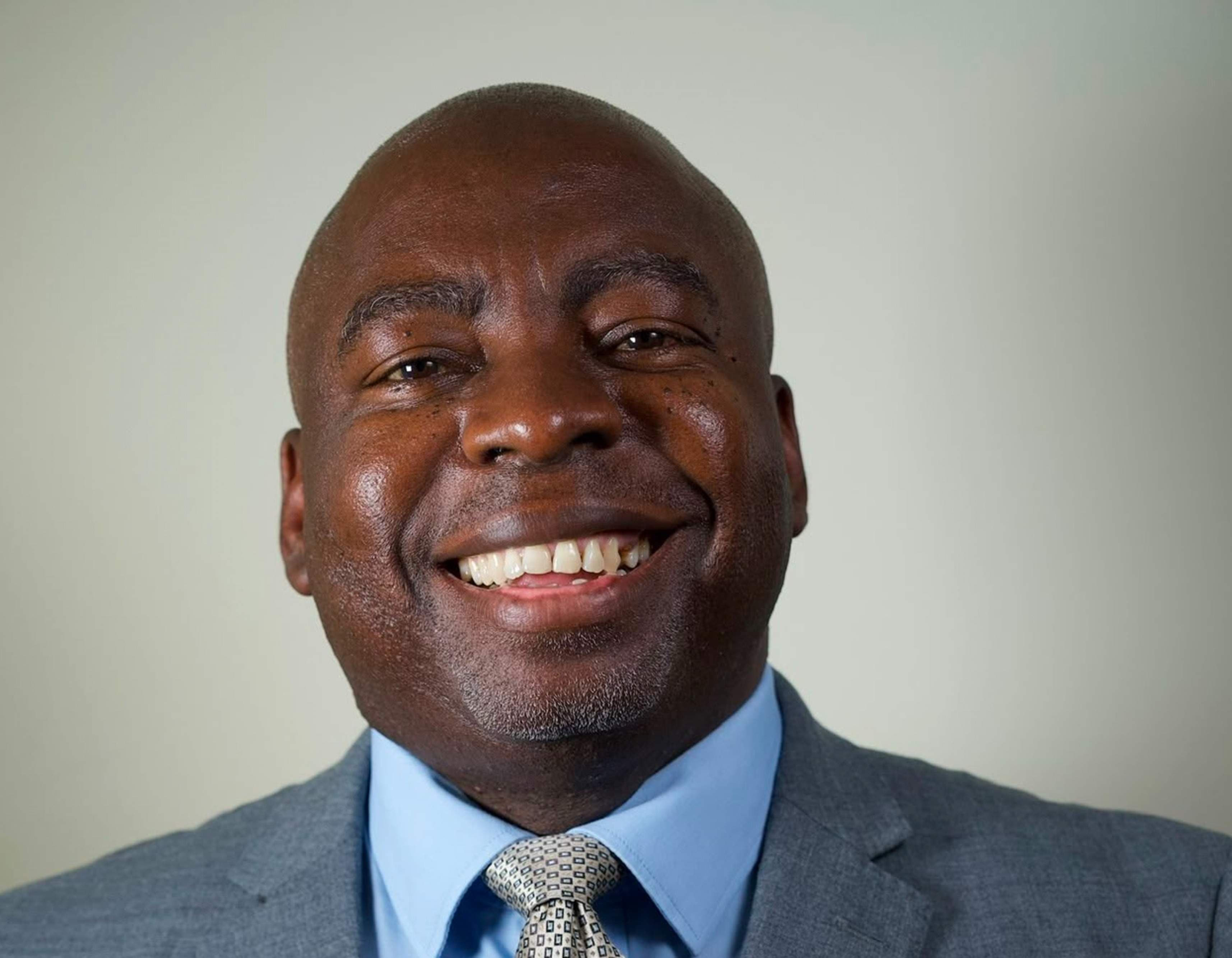
The Criminal Trajectories of Justice: From Punishment to Restoration, Trauma Healing and Victim-Centred Pedagogy

Dr. Raphael Christopher ACIArb (UK), LLB (Hons), BL, CIM, PGCE, PGOSDC, FAETC, PTLLS, CELTA; Senior Member, Nigerian Bar Association (NBA), Enugu Branch; CEO, Just Arbitration Worldwide
© 29th September 2026. All Rights Reserved.
Criminal justice has travelled a long historical trajectory—from vengeance and retribution, through punishment and deterrence, toward rehabilitation and, increasingly, restoration. Yet one question remains fundamental: what happens to the victim after the criminal case is over?
A conviction may establish accountability, but justice cannot be measured solely by the length of a sentence. Behind every crime may be a person carrying fear, grief, humiliation, financial loss, broken relationships, psychological injury and a profound loss of security.
This is where restorative justice offers another trajectory.
Restorative justice does not remove accountability. Rather, it asks additional questions: Who has been harmed? What do they need? Who should take responsibility? How can the harm be repaired? And what must change to prevent recurrence?
The criminal justice system therefore needs a stronger trauma-healing dimension. Victims should not be required to repeatedly relive their experiences merely to satisfy procedural requirements. Trauma-informed courts, victim-support services, counselling, appropriate communication, protection from intimidation and meaningful participation can help transform justice from an event into a process of recovery.
At the heart of this transformation should be victim-centred pedagogy—an approach that educates judges, lawyers, police officers, prosecutors, probation officers, correctional personnel and communities to understand crime not merely as a violation of law, but also as an experience of human harm.
Such pedagogy should teach professionals to listen without re-traumatising, communicate without humiliating, protect without disempowering and pursue accountability without losing sight of human dignity.
The future of criminal justice should therefore not be defined exclusively by crime → prosecution → conviction → punishment.
It should embrace a broader trajectory:
harm → truth → accountability → restoration → healing → reintegration → prevention.
Justice should punish where punishment is necessary, but it should also repair where repair is possible, heal where healing is needed, and restore dignity where crime has taken it away.
The ultimate question should no longer be simply, “How should society punish the offender?”
It should also be:
“How can justice help the victim live again?”
Follow my channel: https://whatsapp.com/channel/0029Vb8JJnFHVvTW55aNih3n
Written by Dr. Raphael Christopher
Posted by Babatimilehin kayode · Last updated: September 29, 2026