


Sultan Calls for Unity, Prayers as Ramadan ends
Last update: March 21, 2026
Disclaimer: This website may contain affiliate links, which means we may earn a commission if you click on the link and make a purchase. We only recommend products or services that we personally use and believe will add value to our readers. Your support is appreciated!
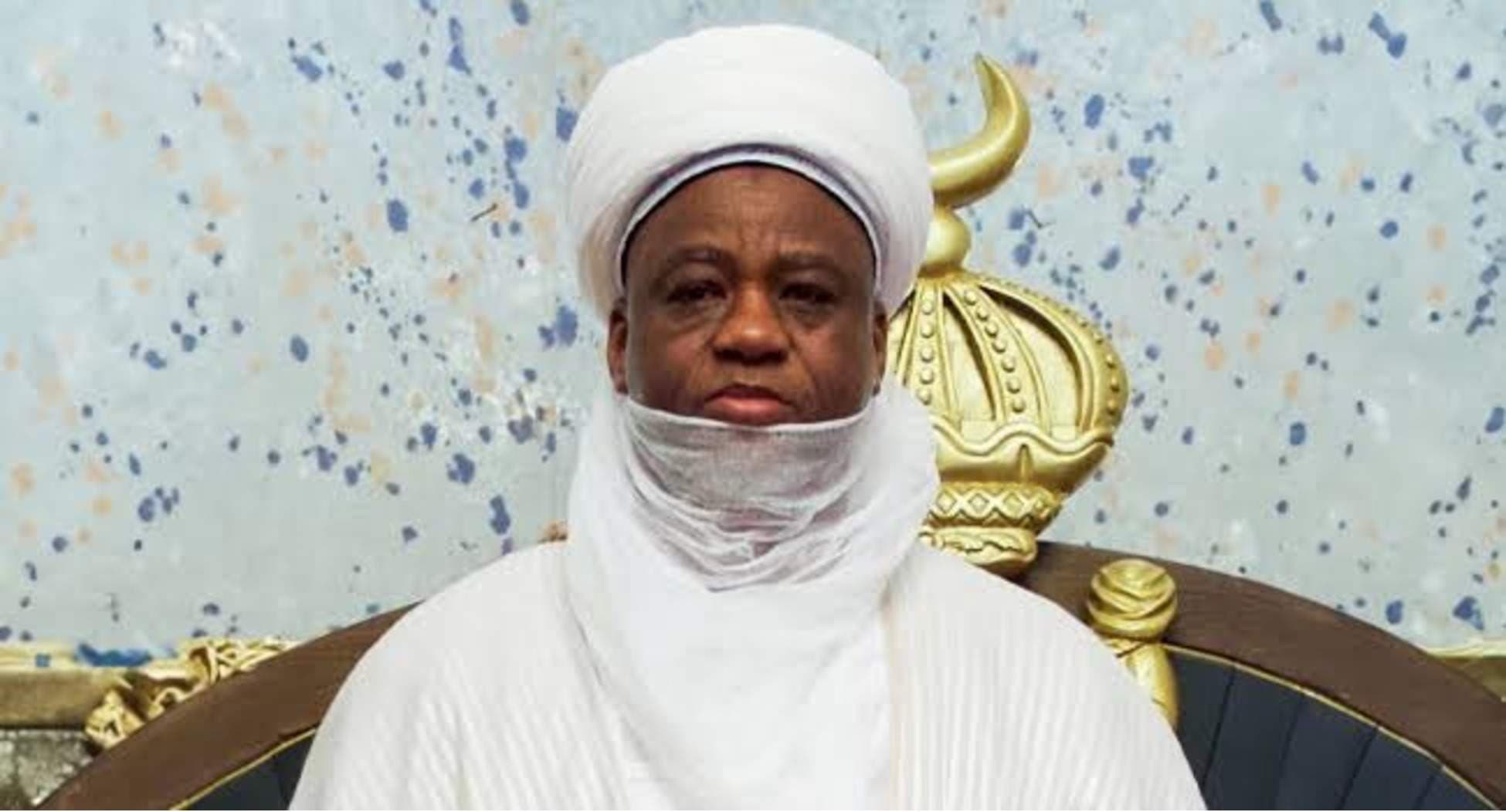
Sultan calls for peace, credible 2027 election...
The Sultan of Sokoto Sa’ad Abubakar III on Saturday congratulated the Muslim Ummah in Nigeria on the successful completion of the 1447 AH Ramadan fast and the celebration of Eid-el-Fitr.
The Sultan, who is also President-General of Jama’atu Nasril Islam, delivered the message in a statement issued by the group’s Secretary-General, Khalid Aliyu.
He urged Muslims to reflect on their actions and sustain the virtues imbibed during the holy month, while praying for peace, stability and prosperity in Nigeria and across the world.
The Sultan also prayed for Allah to accept the fasting, forgive shortcomings and reward acts of worship performed during Ramadan.
He reminded the faithful that devotion should extend beyond Ramadan, citing Qur’an 15:99, which enjoins believers to worship their Lord until death.
He further encouraged observance of the six-day voluntary fast in Shawwal, known as Sittah-Shawwal, as recommended by Prophet Muhammad.
He wished Muslims in Nigeria and beyond a peaceful and prosperous Eid-el-Fitr celebration, saying: “Eidukum Mubarak.”
On national issues, Abubakar called on Nigerians to intensify prayers for peace and unity ahead of the 2027 general elections.
He urged stakeholders to work towards credible, free, fair and transparent polls, stressing that national stability was essential for good governance.
“A stable Nigeria must first exist before it is governed,” he said.
On global affairs, the Sultan appealed to world leaders to de-escalate ongoing conflicts, particularly tensions involving Iran, the United States and Israel.
He warned that wars have far-reaching destructive consequences and could disrupt global food supply chains, worsening economic conditions, especially in developing countries such as Nigeria.