


Strait of Hormuz Reopening Agreed as Iran Accepts Two-week Ceasefire
Last update: April 8, 2026
Disclaimer: This website may contain affiliate links, which means we may earn a commission if you click on the link and make a purchase. We only recommend products or services that we personally use and believe will add value to our readers. Your support is appreciated!
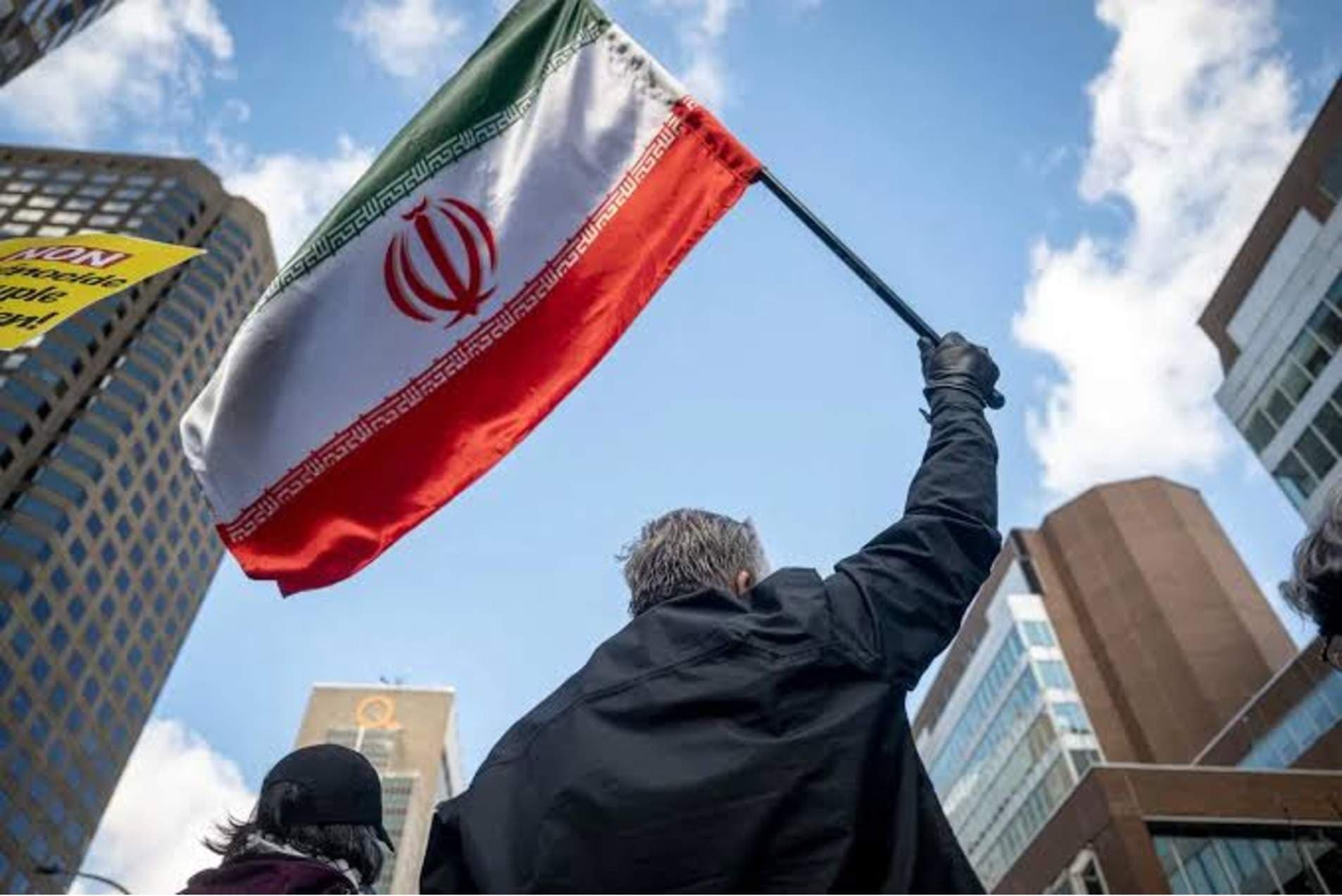
Iran agrees to reopen Strait of Hormuz for two weeks...
Iran has agreed to reopen the Strait of Hormuz for a two-week period, a move seen as part of the ceasefire arrangement reached with the United States and Israel.
Iran’s Foreign Minister, Abbas Araghchi, disclosed that Tehran would also suspend its defensive military operations, provided that attacks by the United States and Israel are halted.
“For a period of two weeks, safe passage through the Strait of Hormuz will be possible via coordination with Iran’s Armed Forces and with due consideration of technical limitations,” Araghchi said on Tuesday night.
He added that Iran’s military would stand down if hostilities stop.
“If attacks against Iran are halted, our powerful armed forces will cease their defensive operations.”
Despite agreeing to the temporary truce, Iran’s Supreme National Security Council said the ceasefire should not be interpreted as the end of the conflict.
The council explained that a permanent end to the war would depend on whether the United States accepts the conditions contained in Iran’s 10-point proposal.
“It is emphasised that this ceasefire agreement does not mean the end of the war, and Iran will only accept the end of the war when, in addition to accepting the principles outlined in the 10-point plan, the details are finalised in negotiations,” the council said.
According to Iranian authorities, formal negotiations with the United States are expected to take place in Islamabad, Pakistan.
Pakistan has emerged as a key mediator in the crisis between the United States, Israel and Iran.
In a post on Truth Social, United States President Donald Trump revealed that discussions with Pakistan’s Prime Minister, Shehbaz Sharif, played a major role in securing the ceasefire.
“Based on conversations with Prime Minister Shehbaz Sharif and Field Marshal Asim Munir, of Pakistan, and wherein they requested that I hold off the destructive force being sent tonight to Iran, and subject to the Islamic Republic of Iran agreeing to the COMPLETE, IMMEDIATE, and SAFE OPENING of the Strait of Hormuz, I agree to suspend the bombing and attack of Iran for a period of two weeks,” Trump wrote.
Responding to the development, Sharif expressed optimism that the talks could lead to a lasting resolution.
“Both parties have displayed remarkable wisdom and understanding,” the Pakistani leader said.
“We earnestly hope that the ‘Islamabad Talks’ succeed in achieving sustainable peace and wish to share more good news in coming days.”
Iran’s 10-point proposal, which forms the basis for the ceasefire negotiations, reportedly includes several major demands.
These include a guarantee from the United States not to repeat what Iran described as aggression, continued Iranian control over the Strait of Hormuz, and the lifting of all sanctions imposed on Tehran.
Other elements of the proposal include the acceptance of Iran’s uranium enrichment programme, payment of compensation, and the withdrawal of United States combat forces from the region.
Iran has also reportedly committed to not seeking possession of nuclear weapons as part of the broader negotiation framework.