


State Police : Senate Says Governors Won’t Be Allowed to Abuse Power
Last update: June 24, 2026
Disclaimer: This website may contain affiliate links, which means we may earn a commission if you click on the link and make a purchase. We only recommend products or services that we personally use and believe will add value to our readers. Your support is appreciated!
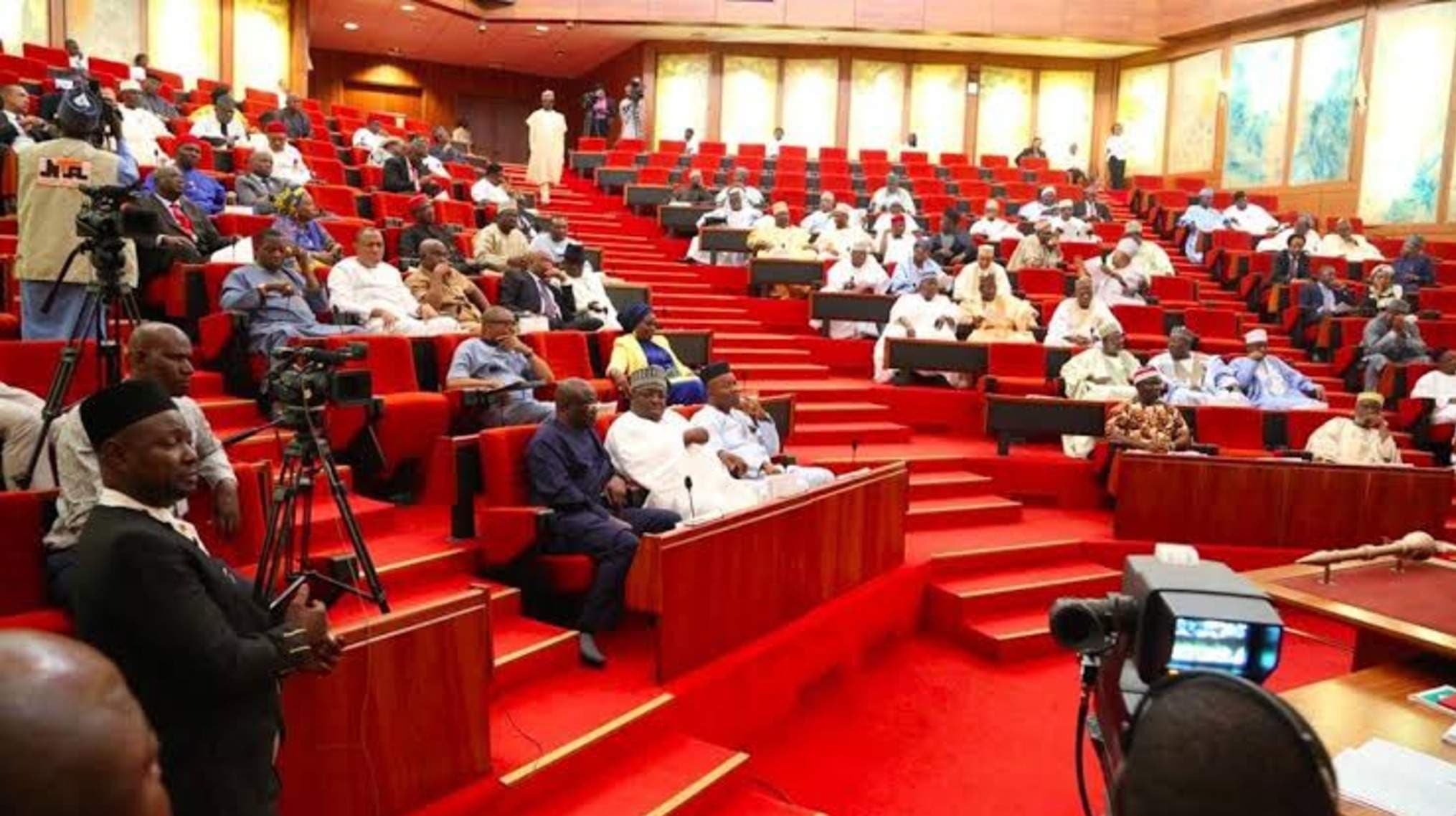
Nigeria is edging closer to a major security overhaul as the Senate approves a constitutional amendment to introduce state policing, but lawmakers insist strict safeguards are in place to prevent political misuse.
In a big moment for Nigeria’s security architecture, the Senate has passed a constitutional amendment bill that will allow the creation of State Police Services alongside a Federal Police Service, but with what lawmakers describe as “tight controls” to prevent abuse by governors.
According to the Senate, the idea is simple: decentralise policing to improve local security response, while still keeping strong national oversight to stop it from becoming a political tool.
The amendment was considered clause-by-clause in the Committee of the Whole, presided over by Senate President Godswill Akpabio.
A shift from centralised policing
The reform, presented by the Constitution Review Committee chaired by Deputy Senate President Jibrin Barau, will replace the current single Nigeria Police Force structure with a dual system, Federal Police handling national crimes like terrorism and cybercrime, while state police focus on local law enforcement.
But the Senate is very clear: this is not a free-for-all for governors.
“No room for abuse,” Senate insists
Lawmakers stressed that the new system includes strong constitutional guardrails.
Governors will only be allowed to issue lawful public safety directives. They will be explicitly barred from using state police to:
* arrest or detain individuals arbitrarily
* target political opponents
* pursue ethnic, religious or partisan agendas
Any directive that crosses the line can be challenged in court, and oversight bodies will have full authority to step in.
The bill also empowers the Federal Government to intervene in any state where policing is being misused, public order collapses, or fundamental rights are threatened, but such intervention must be temporary and subject to judicial review.
Who handles what under the new system?
If fully approved, the structure will be split like this:
Federal Police Service: terrorism, cybercrime, arms trafficking, interstate crime, national security, and the Federal Capital Territory
State Police Services: local laws, crime prevention, public order, and protection of lives and property
However, no state police force can begin operations unless its law is passed by the State House of Assembly and it meets national standards set by the National Assembly.
Strong backing from the Senate leadership
Leading the debate, Senate Leader Opeyemi Bamidele described the bill as one of the most important constitutional reforms in Nigeria’s democratic journey.
He argued that Nigeria’s current centralised policing system is overstretched and often too distant to effectively tackle local threats like banditry, kidnapping and communal violence.
Senate President Akpabio also backed the move, calling it a “historic opportunity” to reshape national security and strengthen governance.
Federal oversight remains key
The bill also outlines how police leadership will be appointed:
* The Inspector-General of Police will be appointed by the President on advice and Senate approval
* State Police Commissioners will be appointed by governors but confirmed by State Houses of Assembly
Importantly, removals will require due process and legislative oversight to prevent arbitrary dismissals.
Top officials watch proceedings
The session was attended by key political figures including:
* Bola Tinubu
* Abba Moro
* Lucky Aiyedatiwa
* Uba Sani
* Dapo Abiodun
* Chief of Staff Femi Gbajabiamila
What happens next?
The bill now moves to the House of Representatives for concurrence before heading to all 36 State Houses of Assembly. For it to become law, at least 24 states must approve it.
If it clears that hurdle, Nigeria will officially transition into a dual policing system, one of the biggest shifts in the country’s security framework in decades.
As the Senate put it, the goal is simple: stronger local policing, stronger national oversight, and ultimately, a safer Nigeria.
#NigeriaNews #StatePolice #NationalAssembly #SecurityReform #NigeriaPolitics #c
binewsTV #ConstitutionalAmendment #PoliceReform #BreakingNews #GovernanceNigeria