


State Police Bill: Here is What to Expect
Last update: June 25, 2026
Disclaimer: This website may contain affiliate links, which means we may earn a commission if you click on the link and make a purchase. We only recommend products or services that we personally use and believe will add value to our readers. Your support is appreciated!
Big move in Abuja yesterday — Nigeria just took its boldest step yet towards letting states run their own police forces. But the real drama is only just kicking off in 36 state assemblies.
So, here’s the gist, courtesy of cbinews.tv: On Wednesday, the Senate finally passed the controversial Constitution Alteration Bill to decentralise policing in Nigeria. That means we’re now one massive step closer to having state police.
But hold on — it’s not law yet. The fight now shifts to the 36 state Houses of Assembly. At least 24 of them need to say “yes” before this becomes real. No small feat.
Why all the fuss? Well, this debate has been dragging on for decades. With terrorism, banditry, kidnapping, communal clashes and organised crime getting worse in many parts of the country, lots of people reckon the current federal-only police system just isn’t cutting it for a nation of over 200 million.
What exactly did the Senate approve?
They’ve backed a dual policing structure. The Nigeria Police Force stays for federal matters, but states that want their own police can now set them up.
Here’s the key bit from Clause 17 of the amendment:
“While the Federal Police Service will continue to be headed by the Inspector-General of Police, each State Police Service shall be headed by a Commissioner of Police appointed by the governor and confirmed by the legislature of the state.”
So yes, governors would appoint their state’s Commissioner of Police, but state assemblies have to confirm them.
Who does what?
Senate Leader Opeyemi Bamidele laid it out:
- State police: Handle state laws, local crime, public safety, protecting lives and property — basically, policing within their own backyard.
- Federal police: Big-picture stuff — counter-terrorism, cybercrime, border security, arms trafficking, interstate crime, and protecting federal institutions.
And the Feds can only wade into state matters if things really go south — like a total breakdown of order, if state police can’t cope, serious rights violations, election intimidation, or threats to national security. Even then, the President has to authorise it in writing, and the Senate and courts get to keep an eye on it.
But what about governors misusing state police?
That’s been the biggest fear for years — that state police could turn into a tool for political witch-hunts. The Senate tried to block that with some safeguards.
One key line in the bill: “A state Commissioner of Police shall not arrest, detain, investigate or deploy force against any person, political party or group merely for criticising the government except in accordance with the law.”
Plus, the National Assembly will still set national standards for recruitment, training, firearms use, discipline, complaints, and conduct. So states won’t just do whatever they like.
How did the vote go down?
It was meant to be electronic, but tech issues got in the way. So, they went old-school — manual voting, with each senator called out to declare their stance publicly. Senate President Godswill Akpabio said it was for transparency, so constituents know exactly where their senator stands.
What happens next?
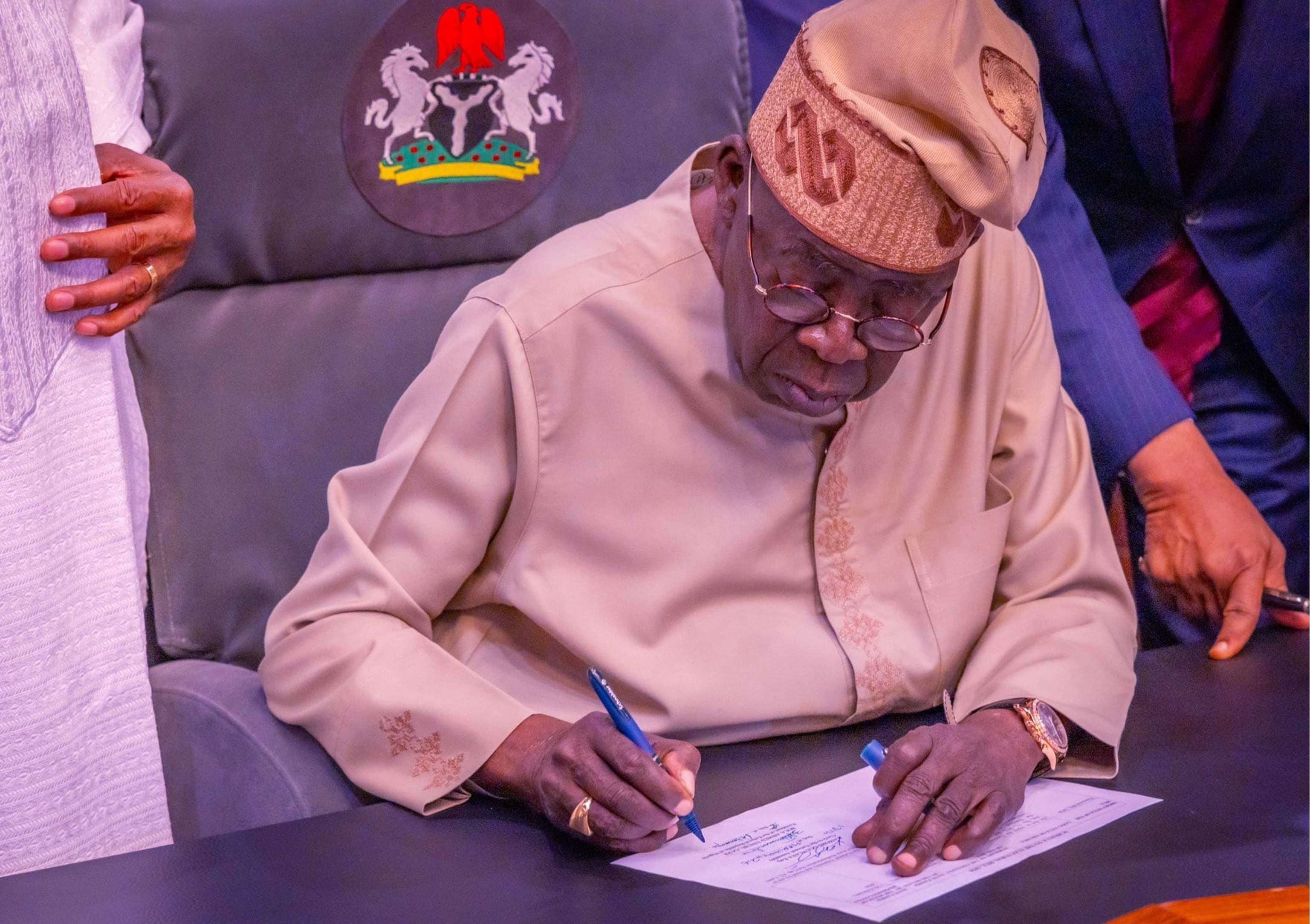
This is where it gets tricky. The Constitution says 24 state assemblies must approve before President Bola Tinubu can sign it. That means the next few months will see serious lobbying among governors, lawmakers and political players.
If it passes, we’re looking at the biggest security reform since 1999. Supporters say local officers who know the language, culture and terrain will do better at intelligence and crime-fighting. Critics still worry about abuse, even with the safeguards.
Bottom line: The National Assembly has done its bit. Now 24 state assemblies hold the key. The debate just moved from Abuja to your state capital.
Source: cbinews.tv
Hashtags:
#StatePolice #NigeriaSecurity #Senate #ConstitutionalAmendment #PolicingReform #NigeriaNews #StateAssembly #Insecurity #NigerianPolitics #CbiNewsTv