

South Africa’s Economic Decline is Leadership Failure, not Migrants – Thabo Mbeki
Last update: May 22, 2026
Disclaimer: This website may contain affiliate links, which means we may earn a commission if you click on the link and make a purchase. We only recommend products or services that we personally use and believe will add value to our readers. Your support is appreciated!
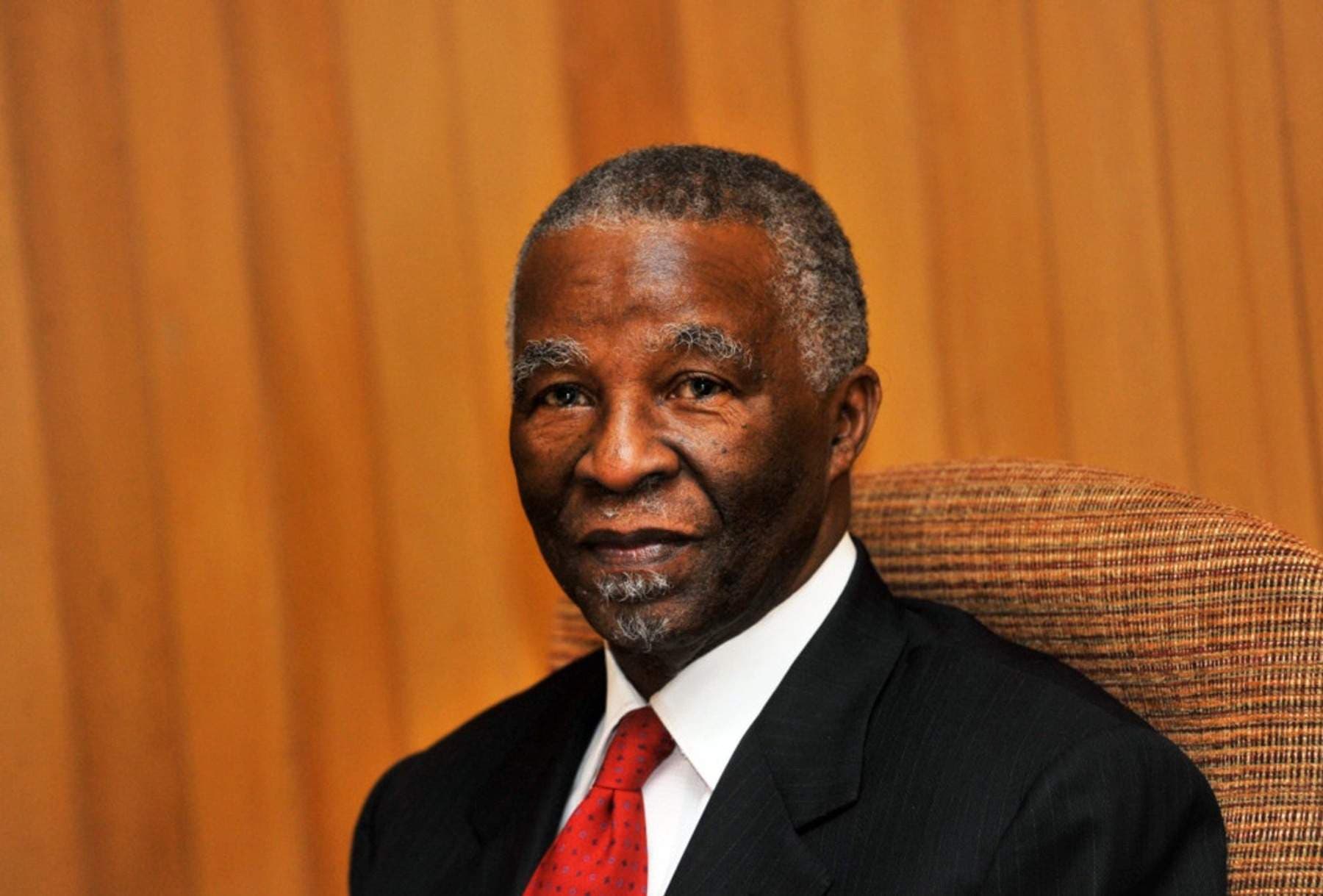
Is South Africa’s economic crisis really caused by migrants, or by years of political and economic missteps at the top? Former President Thabo Mbeki has weighed in, and his message is stirring debate across the continent.
According to reporting by cbinews.tv, former South African President Thabo Mbeki has pushed back strongly against claims that undocumented African migrants are to blame for South Africa’s economic challenges.
Speaking at the AUDA-NEPAD @25 High Level Business Breakfast in Cape Town, Mbeki said the country’s economic decline should be traced to leadership failures rather than foreign nationals living in South Africa without documentation.
In a candid tone, he pointed out that South Africa enjoyed steady economic growth between 1994 and around 2008 before things began to shift in the opposite direction.
“We know the history in detail… from 1994 to 2008, 2009, [South Africa] reached a growth rate of six per cent. From 2009, it goes in the opposite direction. It wasn’t caused by undocumented immigrants,” he said.
Mbeki went further, suggesting that those truly responsible for the downturn are avoiding accountability while public anger is redirected elsewhere. In his words, the real culprits are “laughing in the corner” while migrants become the focus of frustration over unemployment and stagnation.
He also reflected on South Africa’s wider role in Africa, reminding his audience that many across the continent still see the country as a shared symbol of liberation, shaped by the solidarity of African nations during the anti-apartheid struggle. He added that, regardless of stricter immigration policies or political hostility, migration into South Africa from other African countries is unlikely to stop.
“One prediction I will make is Africans will continue to come to South Africa. It doesn’t matter what you do,” he said.
Mbeki also warned that the once-strong spirit of African unity is fading and urged a more constructive, less divisive approach to the country’s social and economic challenges.
At the same event, comments from Julius Malema also added fuel to the national conversation. In remarks shared via Sky News on X, Malema dismissed claims of xenophobia, describing the violence against foreign nationals as “gangsterism sponsored by the government”.
He argued that criminal activity in South Africa is largely driven by locals rather than migrants, citing prison demographics to support his point.
Malema also accused authorities of using anti-immigrant sentiment as a distraction from deeper governance and economic issues.
Meanwhile, he is reportedly facing legal challenges following a court ruling involving unlawful possession of a firearm and ammunition.
In summary: both Mbeki and Malema are pushing back against narratives that place blame on migrants, instead pointing to governance, leadership, and systemic economic issues as the root causes of South Africa’s ongoing struggles.
#SouthAfrica #ThaboMbeki #JuliusMalema #AfricanPolitics #Migration #Economy #Leadership #Unemployment #AUDA_NEPAD #CapeTown #cbinewsTV