
Senegal Students and Police Clash Amid Financial aid Disputes
Last update: December 3, 2025
Disclaimer: This website may contain affiliate links, which means we may earn a commission if you click on the link and make a purchase. We only recommend products or services that we personally use and believe will add value to our readers. Your support is appreciated!
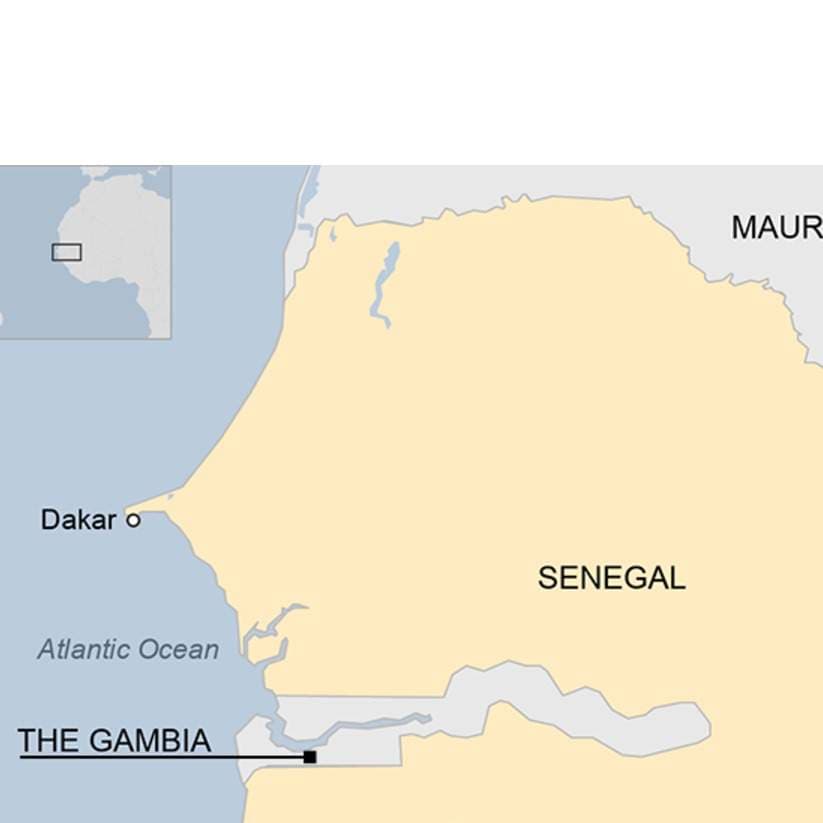
Protests erupt at Cheikh Anta Diop University as students demand stipends amid the country’s deepening fiscal crisis.
Clashes between students and security forces at Senegal’s main university escalated on Wednesday as protesters called for stipends and other financial aid amid ongoing government budget pressures.
Authorities at Cheikh Anta Diop University in the capital requested law enforcement support after rock-throwing students confronted security forces, who responded with tear gas.
The unrest comes as Senegal faces severe financial strain, with a debt burden equal to 132 percent of gross domestic product, according to the International Monetary Fund.
Third-year law student Pape Demba Niane said students were attempting to engage in dialogue when police entered the campus.
Pape Demba Ka, president of a student association, said peaceful demonstrations over the past 13 months had gone unheeded by authorities.
“We appealed to the president of the Republic and the prime minister, who are aware that the country is unstable and that the universities are in turmoil,” Ka said. He added that sending police to the campus only worsened the situation.
The university has nearly 90,000 students enrolled in 2024. Ka criticized the government, saying, “We did not expect this government to sacrifice young people who fought for them to become leaders of this country.”
Prime Minister Ousmane Sonko, a university alumnus, had promised to tackle unemployment, corruption and elitism. Since taking office in April last year alongside President Bassirou Diomaye Faye, the administration has faced criticism for its handling of social and economic challenges.
An audit revealed a larger-than-reported debt burden and budget deficit inherited from the previous government.
Negotiations with the IMF over a new financial program have been slow, leaving authorities to contend with growing public discontent and a difficult fiscal outlook.