

Senegal Doubles Jail Terms for Same-Sex Relations
Last update: April 1, 2026
Disclaimer: This website may contain affiliate links, which means we may earn a commission if you click on the link and make a purchase. We only recommend products or services that we personally use and believe will add value to our readers. Your support is appreciated!
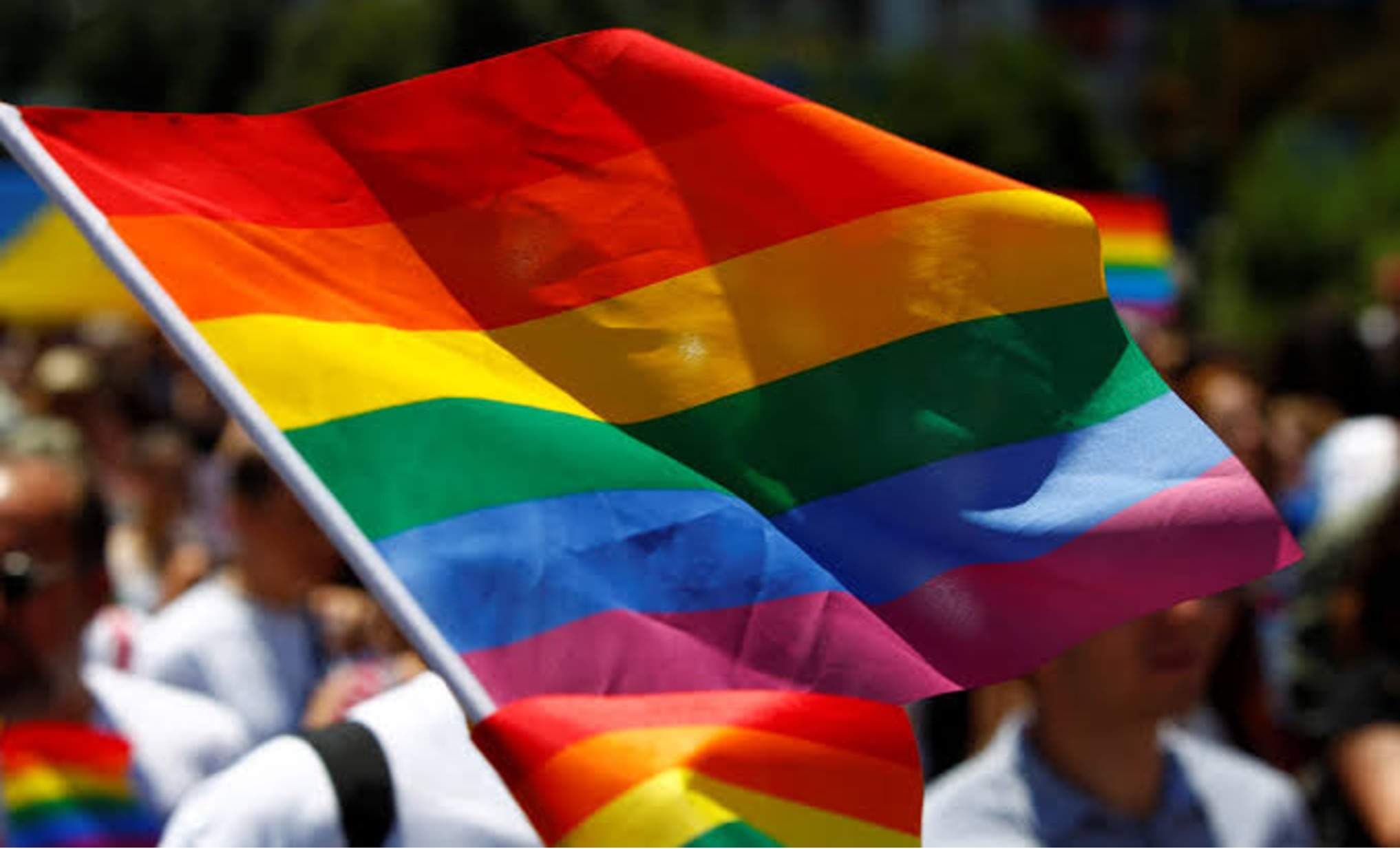
Senegal increases penalty for same-sex relations to up to 10 years in prison..
Senegalese President Bassirou Diomaye Faye has signed into law legislation doubling the maximum penalty for same-sex relations, making them punishable by up to 10 years in prison amid a crackdown on the country’s gay community.
The law signed this week and published in the official journal ,was approved by an overwhelming majority in the National Assembly and also introduces criminal penalties for those found guilty of promoting or financing same-sex relationships.
U.N. rights chief Volker Turk described the measure as “deeply worrying,” saying it “flies in the face of sacrosanct human rights” following its passage in parliament.
Under the legislation, “acts against nature” — a term used to signify same-sex relations — are punishable by five to 10 years’ imprisonment, up from the previous one to five years.
The law also prescribes prison terms of three to seven years for individuals convicted of promoting or financing same-sex relationships.
Media reports say dozens of men have been arrested under anti-LGBTQ laws since February, when police detained 12 men, including two local celebrities, marking the start of a series of detentions.
Arrests have often been based on accusations and phone searches, with reports of detentions emerging almost daily and the names of suspects made public.
The legislation further penalises false accusations of same-sex offences made “without proof.”
Lawmakers approved the bill after several hours of debate on March 11, voting 135 in favour, with none opposed and three abstentions.
The maximum sentence applies in cases involving minors, while fines have been increased to between two million and 10 million CFA francs ($3,500 to $17,600), up from 100,000 to 1.5 million CFA francs.
Human rights groups had urged Faye not to sign the bill. UNAIDS said it was “deeply concerned,” warning that criminalisation could deter people from accessing essential health services such as HIV treatment.
ILGA World also called on the president to uphold “respect for individual liberty and the human person.”
In recent years, LGBTQ issues have sparked debate in Senegal, where advocacy for gay rights is often criticised as an attempt to impose foreign values. At the same time, religious groups have staged demonstrations demanding stricter laws.