


Senate Passes Amended Electoral Act
Last update: February 4, 2026
Disclaimer: This website may contain affiliate links, which means we may earn a commission if you click on the link and make a purchase. We only recommend products or services that we personally use and believe will add value to our readers. Your support is appreciated!
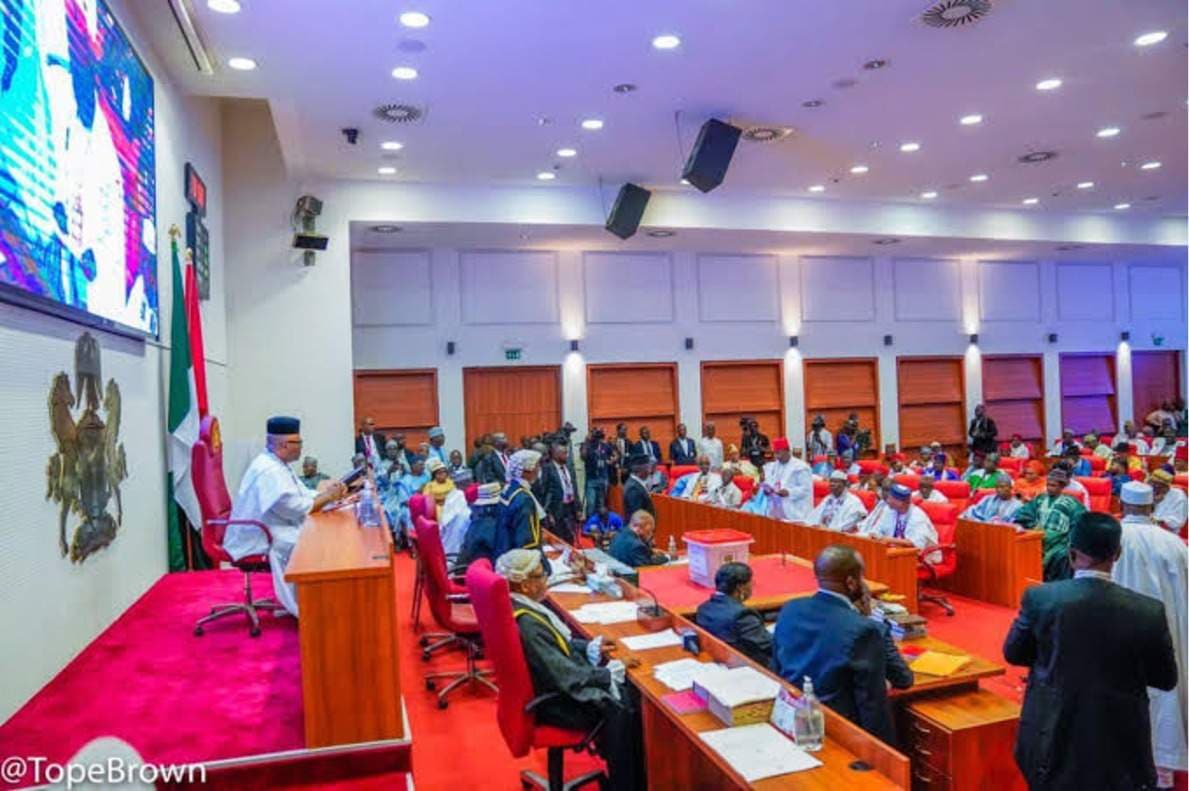
Senate passes Electoral Act amendment bill after reviewing all 155 clauses...
The Senate on Wednesday passed the Electoral Act, 2022 (Repeal and Enactment) Bill, 2026, concluding its consideration of the proposed legislation after a clause-by-clause review of all 155 provisions.
The passage comes amid intense national debate over electoral reforms ahead of the 2027 general elections.
While several amendments were adopted, the majority of the clauses were retained as originally proposed.
One of the most notable changes introduced by the Senate is the reduction of the timeline within which the Independent National Electoral Commission (INEC) must publish notices of election.
Under the amended law, INEC will now be required to issue election notices 180 days before polling day, a significant reduction from the 360 days provided for in the existing Act.
The amendment followed the adoption of a motion sponsored by Senator Tahir Monguno, who argued that the earlier timeline would pose practical challenges for INEC ahead of the next general elections.
He maintained that retaining the 360-day requirement would make compliance difficult, given the proximity of the 2027 polls.
Explaining the rationale during plenary, Monguno said, “The reduction in date was necessary to enable INEC meet up with the requirements on publication of notice, saying that it was already late if the 360 days was taken into consideration regarding the next general election.”
The passage of the bill represents a major milestone in Nigeria’s ongoing electoral reform process, which has undergone prolonged deliberations in the National Assembly.
The amendments are aimed at addressing widespread concerns from the public and key stakeholders over the credibility, transparency and efficiency of the electoral system, particularly as preparations intensify for the 2027 elections.
CBI News recalls that the bill’s journey through the Senate was marked by repeated delays and procedural disputes.
Lawmakers at various stages held closed-door sessions to review committee reports, slowing progress and drawing criticism from civil society groups and other stakeholders.
Concerns had grown that prolonged delays could undermine INEC’s preparations, especially regarding key reforms such as election transparency measures.
Although INEC has already finalised its timetable for the 2027 polls, the commission acknowledged that the final shape of the amended Electoral Act could affect some of its planned activities.
With the Senate’s passage of the bill, the legislation will now be transmitted to the President for assent.
Once signed into law, the amended provisions will formally take effect.