

Saied Under Pressure as Hundreds Protest in Tunisia Over Blackouts
Last update: August 21, 2026
Disclaimer: This website may contain affiliate links, which means we may earn a commission if you click on the link and make a purchase. We only recommend products or services that we personally use and believe will add value to our readers. Your support is appreciated!
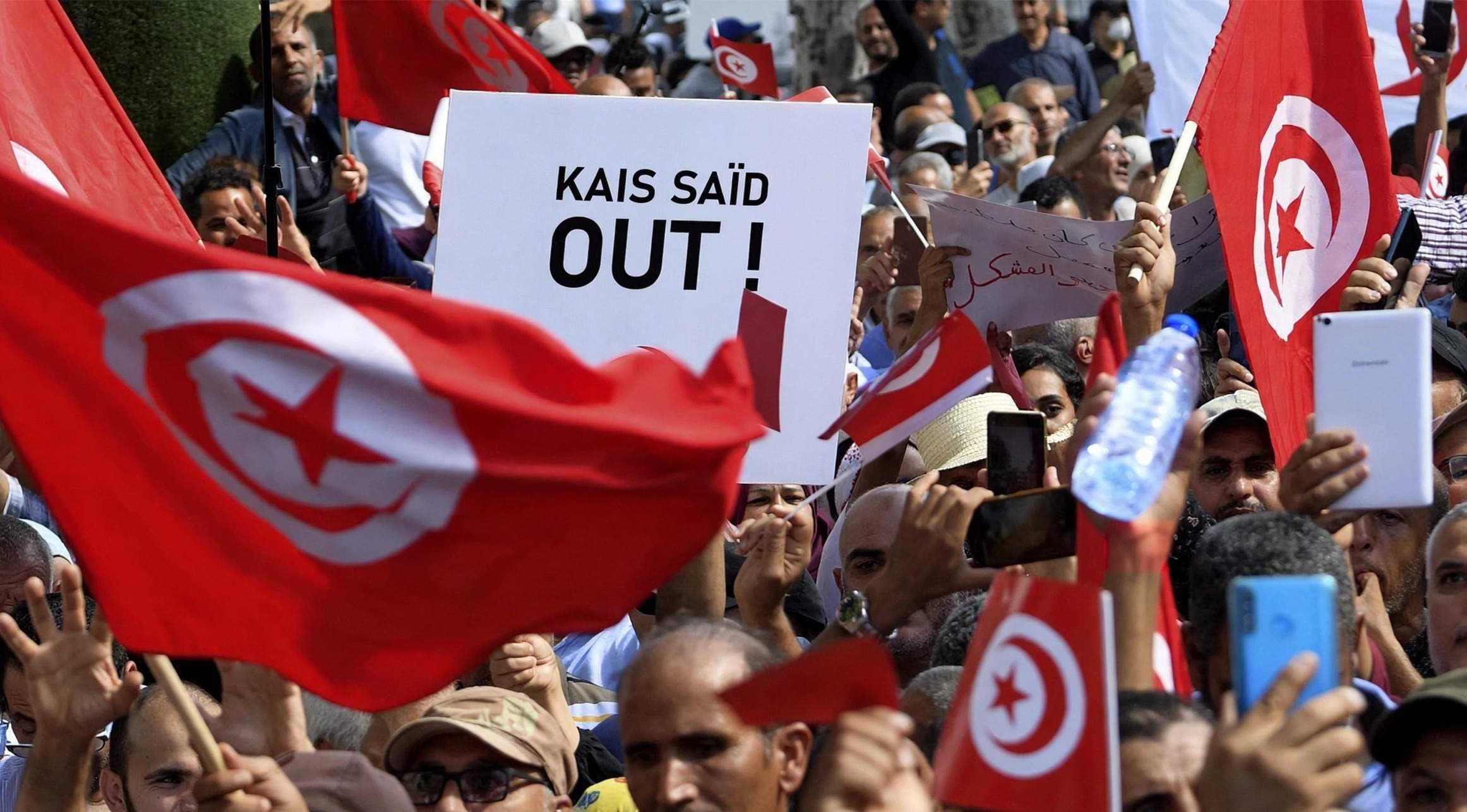
It's the chant Tunisians thought they'd retired after 2011 — "Dégage!" — but it's back on the streets of Tunis, and this time it's aimed at the man who once promised to save the revolution.
Hundreds of people poured into central Tunis on Thursday in the latest rally calling for President Kais Saied to go and for democracy to be restored, reports cbinews.tv.
And look, this wasn't just the usual opposition faces. What started as a July protest to mark the anniversary of Saied's dramatic power grab in 2021 has snowballed — because this summer, Tunisia is boiling over, literally.
What's fuelling the anger?
Yes, politics. But also taps that run dry and lights that won't stay on.
Tunisia has been sweltering through an extreme heatwave, with inland temperatures hitting 49C in places. State-owned utility STEG has been issuing daily alerts listing neighbourhoods for planned rationing.
Why? Demand has gone through the roof. STEG Chief Executive Faycel Trifa admitted heavy air-conditioner use had pushed the grid to its limit, with another official telling state TV demand may have hit a record six gigawatts on Tuesday after hitting 5.6 gigawatts just days earlier. That is way above the country's installed production capacity of around 4,630 MW.
The knock-on is brutal. Staggered power cuts by STEG are leading to crop losses and damage to industry, and when the power goes, water pumping stations stop too. For many families, it's been up to six hours without electricity at a time, during the hottest week of the year.
One protester summed it up perfectly to cbinews.tv:
"I'm trying to defend my country because I see it heading towards the abyss, without any programmes or planning."
"The country has hit a wall. There is no water or electricity. What I see is that the country is going backwards, while others have moved ahead of us," said Youssef Hleli.
Who is behind this new wave?
This one was mobilised by the Nafas movement — a new umbrella collective launched in May that is trying to do something different. It wants to bring together political parties and independent figures beyond Tunisia's traditional, fragmented opposition to Saied.
Their list of demands tells you a lot about daily life right now: fix basic utilities, end medicine shortages, tackle soaring living costs, and stop the squeeze on freedoms.
Nafas describes itself as a response to government failure and injustice in the very country that sparked the Arab Spring. And it seems to be catching on — observers say recent rallies have gone beyond party activists to include ordinary citizens fed up with public services.
The tone has shifted too. Slogans are more explicit than a year ago. Alongside "Kais Saied, Dégage" we're hearing the full 2011 revolutionary chant again: "The people want the fall of the regime".
A bit of context — how did we get here?
For those who haven't followed Tunisia since it toppled Zine El Abidine Ben Ali in 2011 and inspired the Arab Spring, here's the quick recap:
Tunisia was the one success story. It built a messy but real democracy. Then in 2019, voters, sick of bickering parties and a flatlining economy, elected political outsider Kais Saied — a stern constitutional law professor — as president.
On 25 July 2021, Saied sacked the government, suspended parliament and started ruling by decree. He called it a necessary correction. Critics called it a coup.
Since then, he pushed through a new constitution in a 2022 referendum that massively expanded presidential powers, and his government has overseen increasing restrictions on independent media, civil society and any dissenting voices. Saied says his critics are funded from abroad to stir unrest.
Economically, the picture has been grim. Years of underinvestment in state firms SONEDE (water) and STEG (electricity) have left them too deep in debt to upgrade ageing infrastructure, while inflation, IMF loan delays, and a drought that has been running for four years have battered households.
In late 2025, heavy prison sentences were handed down to around 40 critics of the president, including activist Chaima Issa and politician Ahmed Najib Chebbi, which further amplified street anger.
So, Thursday's protest isn't just about one hot summer. It's about a sense that 15 years after the revolution, the lights are literally going out.
As reported by cbinews.tv.
#Tunisia #Tunis #KaisSaied #TunisiaProtests #NafasMovement #ArabSpring #NorthAfrica #STEG #CostOfLiving #Democracy #CBINews