

S.African Town in Uproar Over Renaming After Anti-apartheid Icon
Last update: March 17, 2026
Disclaimer: This website may contain affiliate links, which means we may earn a commission if you click on the link and make a purchase. We only recommend products or services that we personally use and believe will add value to our readers. Your support is appreciated!
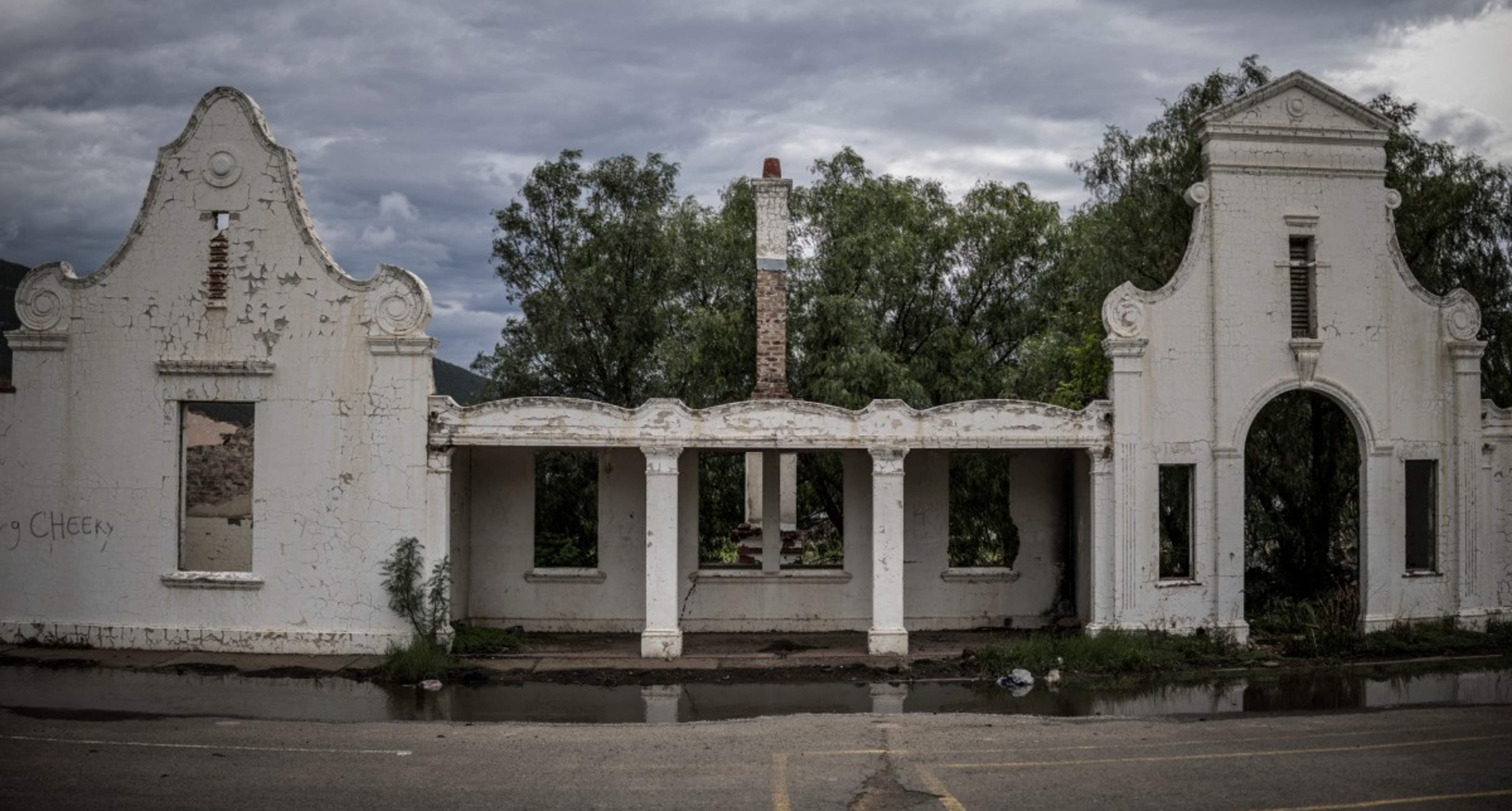
The renaming after Sobukwe has sparked backlash in Graaff-Reinet
A dispute over the renaming of the historic town of Graaff-Reinet has exposed deep social divisions in South Africa, highlighting tensions over how the country confronts its apartheid-era legacy.
The government last month renamed the nearly 250-year-old town after anti-apartheid figure Robert Sobukwe, who was born there. The move is part of a broader programme that has seen about 1,500 place names changed since the end of apartheid in 1994.
In the case of the normally calm oasis, deep in the semi-desert Karoo and about 650 kilometres (400 miles) from Cape Town, the renaming has sown discord among its population of 25,000, leading to protests, petitions and legal threats.
"There are now groups fighting each other," said Hands Off Graaff-Reinet movement activist Laughton Hoffman as he went door-to-door to rally support against the change.
"The renaming has triggered protests, petitions and legal threats in the town of about 25,000 people, located in the semi-arid Karoo region.
Opponents say the move is divisive and undermines local heritage, with activists delivering tens of thousands of objections to authorities.
Supporters argue the change is long overdue recognition of Sobukwe’s role in the liberation struggle, pointing to his leadership of protests that preceded the Sharpeville Massacre.
The town, founded in 1786 and historically associated with Afrikaner heritage, has become a focal point for broader national debates over identity, inequality and reconciliation decades after apartheid ended.
"What they're doing is to divide a community that was otherwise healthy and happy," another fierce opponent, lawyer Derek Light, told AFP in his office near an iconic neo-Gothic church.
A 2024 survey of 367 people representative of the racial makeup of residents showed that nearly 84 per cent did not want the name changed, he said.
The debate has ignited "angry rhetoric", said Light, who has previously represented the country's richest man, multi-billionaire Johann Rupert whose family is from Graaff-Reinet in court and is working on a legal challenge to the renaming.
He cited the example of remarks by the first mayor after the first all-race elections in 1994, Zola Hanabe.
Nestled in a loop of the Sundays River, the town is a postcard of open verandas shaded by jacarandas and largely free of the high security walls and electric fences common elsewhere in South Africa.
Its heritage is a strong tourism draw, with about 100,000 visitors a year going on to the nearby Valley of Desolation, another reason cited in some objections to the new name.
But for the family of Sobukwe -- who founded the Pan Africanist Congress (PAC) in 1959 -- the renaming is a long overdue recognition of his role in the liberation struggle, with the controversy reflecting lingering apartheid-era divisions.
"I am not surprised by the opposition of a specific segment of the population who does not want to embrace change," his grandson, Mangaliso Tsepo Sobukwe said.
Sobukwe led anti-apartheid protests ahead of the March 21, 1960, Sharpeville Massacre when security forces opened fire and killed dozens of people, exposing the brutality of white-minority rule to the world.