

Rubio Announces US Visa Curbs on South Africa Officials
Last update: September 16, 2026
Disclaimer: This website may contain affiliate links, which means we may earn a commission if you click on the link and make a purchase. We only recommend products or services that we personally use and believe will add value to our readers. Your support is appreciated!
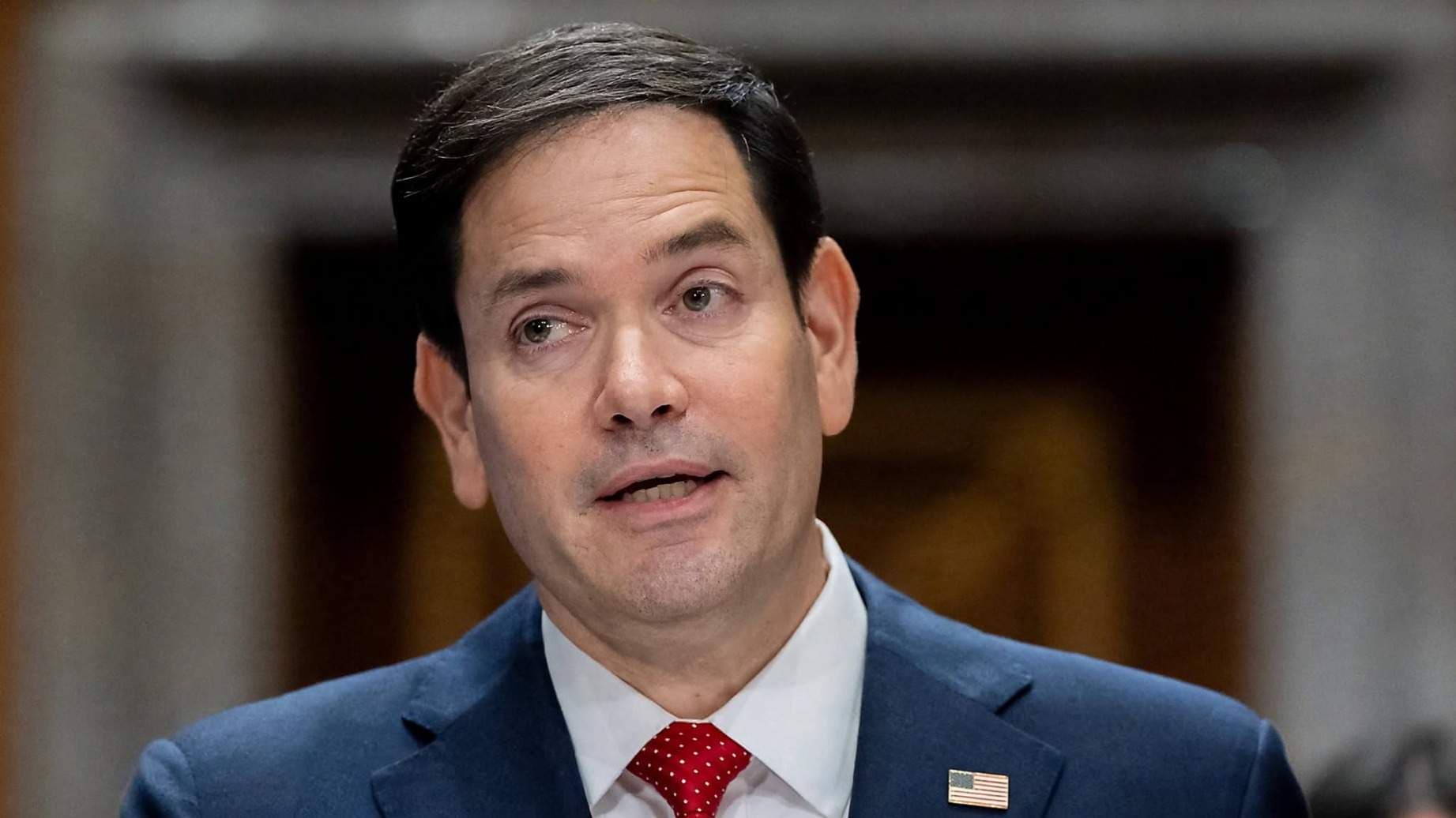
Not a blanket ban, but Washington is now naming names.
So, here's the tea. The US has just turned up the heat on Pretoria, and it's not just angry tweets this time. Washington has rolled out a targeted visa restriction aimed squarely at officials and others it says are behind South Africa's most controversial land and race policies.
Let's unpack it properly.
To understand why land in South Africa is such a raw nerve, you have to go back.
Under the 1913 and 1936 Land Acts, the Black African majority was confined to just 13% of the country. Forced removals continued under apartheid, with some 3.5 million South Africans forcibly relocated to rural homelands between 1960 and 1980 in what historians call one of history's largest social engineering exercises.
When apartheid officially ended in 1994, whites owned 87 per cent of the land. The new democratic government promised to fix it through redistribution, restitution and tenure reform.
But progress has been painfully slow. Between 1994 and 2019, just 8 percent of white-owned farmland was redistributed to Black citizens. South Africa remains one of the most unequal countries on earth, and land is still at the heart of that inequality.
That frustration is why parties like the EFF have gained traction calling for expropriation without compensation, and why the current Expropriation Act has rattled nerves in Washington and among commercial farmers.
This isn't just politics on paper.
For a Black family in Limpopo whose grandparents were forcibly removed in the 1970s and still farm on communal land without title deeds, land reform is about dignity and survival.
For a third-generation Afrikaner farmer in the Free State watching the news from Washington, it's about fear - fear that his farm, his home and his livelihood could be taken without compensation, and fear that inflammatory chants at political rallies could spill into real violence.
Both anxieties are real. And that's exactly why this row has become so toxic.
South Africa's government insists its policies are constitutional and designed to address the legacy of apartheid, rejecting US allegations of persecution of Afrikaners. The US, meanwhile, says it will not allow "government-sponsored discrimination" to go unchecked.
This is more than visas.
1. For diplomatic relations: This marks another sharp deterioration. US Ambassador to South Africa Leo Brent Bozell III has already warned Pretoria this is "just the beginning" to show "America's firm resolve."
2. For ordinary South Africans: If you are not a policymaker, you are not directly affected - but if tensions escalate to trade or aid restrictions, everyone feels it.
3. For the land debate: It internationalises a deeply domestic issue, putting Pretoria under pressure to prove that expropriation will be lawful, fair and not racially targeted.
Yes, under US law. The Immigration and Nationality Act gives the Secretary of State broad discretion to impose visa restrictions on foreign officials whose actions Washington believes harm US foreign policy interests. It's the same tool the US has used for corruption, human rights abuses and undermining democracy in other countries.
Pretoria hasn't yet formally responded to this latest announcement, and the South African embassy in Washington did not immediately respond to a request for comment.
Expect three things:
1. Names will leak. Washington usually doesn't publish the list, but affected individuals find out when they apply for a visa.
2. Pretoria will push back. Expect a strong statement from DIRCO defending sovereignty and the constitutionality of land reform.
3. Court challenges and talks behind closed doors. South African officials will likely seek waivers or legal clarity, while diplomats work to prevent this spiralling into trade sanctions.
As always, cbinews.tv will keep you posted as this develops.
What do you think - is Washington right to intervene, or should land reform be left to South Africans to sort out?
#SouthAfrica #USVisaBan #MarcoRubio #LandExpropriation #Afrikaners #USAfricaRelations #LandReform #ApartheidLegacy #BreakingNews #CBINewsTV