


Reps Approve State Police Bill
Last update: June 12, 2026
Disclaimer: This website may contain affiliate links, which means we may earn a commission if you click on the link and make a purchase. We only recommend products or services that we personally use and believe will add value to our readers. Your support is appreciated!
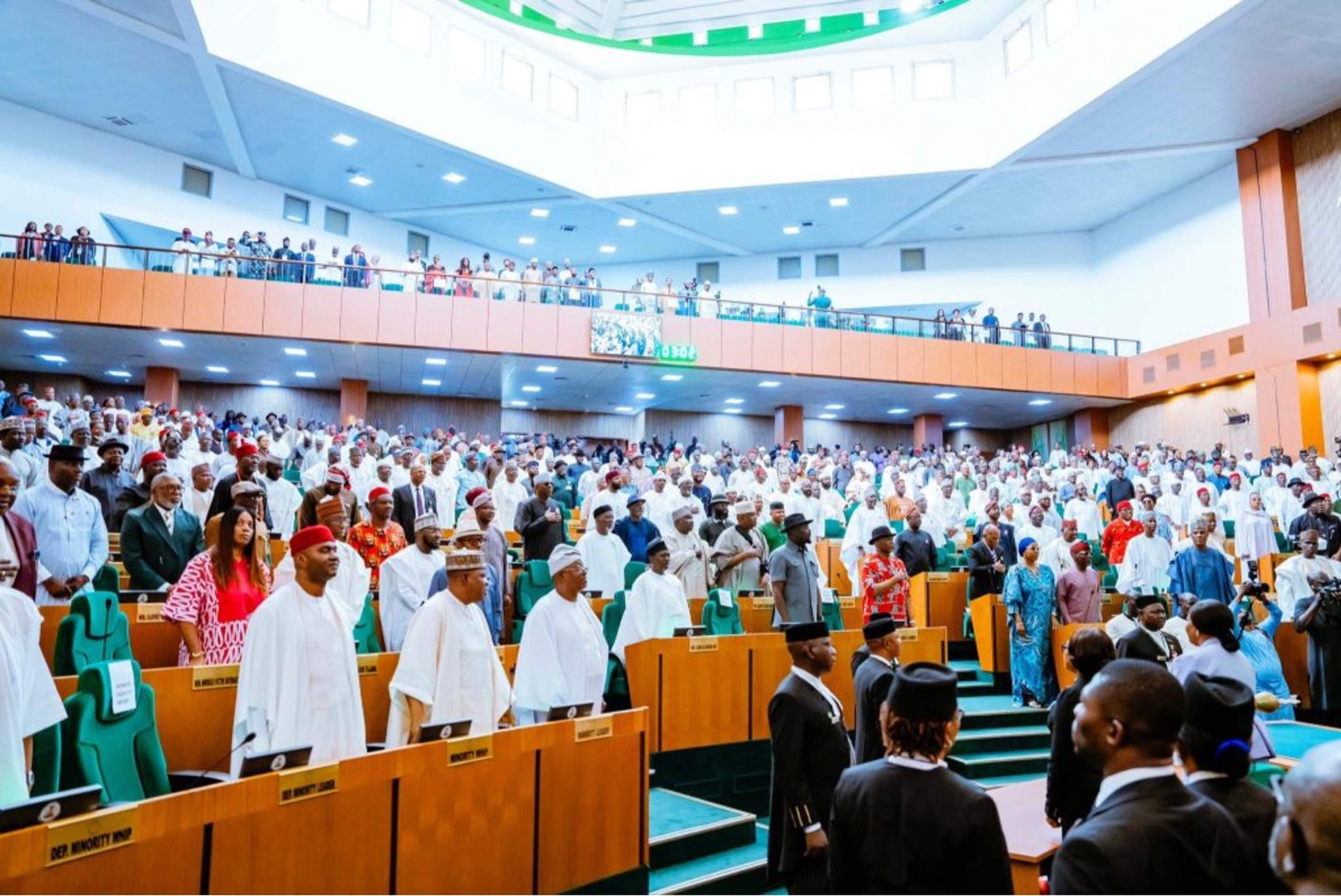
Nigeria's long-running conversation about state policing has taken a major step forward. The House of Representatives has overwhelmingly approved a constitutional amendment bill that could pave the way for state police forces across the country, signalling one of the most significant security reforms since the return to democracy in 1999.
According to cbinews.tv, the House of Representatives on Thursday passed a landmark constitutional amendment bill aimed at establishing state police across Nigeria, giving fresh momentum to a debate that has dominated discussions on security and governance for years.
The proposed legislation, officially titled the *"Bill for an Act to Alter the Constitution of the Federal Republic of Nigeria, 1999 to Provide for the Establishment of State Police and for Related Matters (Sixth Alteration) Bill, 2026"*, was approved during the Committee of the Whole session presided over by Speaker of the House, Rt. Hon. Tajudeen Abbas.
Before the vote, Deputy Speaker and Chairman of the House Committee on Constitution Review, Hon. Benjamin Kalu, presented the committee's report and urged lawmakers to support the proposal. He argued that a more decentralised policing structure is necessary to effectively tackle the country's growing security challenges.
When voting commenced, lawmakers indicated their positions by raising their hands. The outcome left little doubt about the level of support for the bill. A total of 289 members voted in favour, one lawmaker abstained, and no one voted against it.
If eventually signed into law, the amendment would significantly reshape Nigeria's policing system by creating both Federal Police and State Police structures.
One of the key provisions seeks to amend Section 214 of the 1999 Constitution to formally recognise the two policing tiers. While the National Assembly would retain responsibility for determining the structure, administration and powers of the Federal Police, it would also establish the legal framework and minimum standards that state police formations must meet.
The bill also makes it clear that no state police force can begin operations unless it is established through legislation passed by the relevant State House of Assembly and certified as meeting national standards.
Until any state police force becomes fully operational, the Federal Police would continue carrying out policing duties within those states.
In a move designed to protect the independence of state police formations, the bill limits federal intervention in state security matters. Under the proposal, the Federal Police would only step in when there is a complete breakdown of law and order, when requested by a governor, or when a state police force becomes unable to function due to financial, administrative or operational difficulties.
The amendment also introduces changes to police leadership appointments.
Under the proposed framework, the Inspector-General of Police would be appointed by the President based on the advice of the Nigeria Police Council and would require confirmation by the National Assembly.
At the state level, governors would appoint State Commissioners of Police on the advice of the Nigeria Police Council, subject to confirmation by their respective State Houses of Assembly.
Governors would also be empowered to issue lawful directives to State Commissioners of Police on matters concerning public safety and law enforcement. However, where there is disagreement over the legality or appropriateness of such directives, the Nigeria Police Council would have the final say.
The bill further proposes adjustments to constitutional references by replacing mentions of the National Police Council and Federal Police Service Commission with the Nigeria Police Council and the Police Service Commission.
With the House now giving its approval, the proposal represents one of the most far-reaching security reforms considered in Nigeria's democratic era. The move is expected to reignite nationwide discussions around funding, accountability, operational control and safeguards against potential abuse of state police powers.
#StatePolice #NigeriaSecurity #HouseOfRepresentatives #ConstitutionAmendment #NationalAssembly #BenjaminKalu #TajudeenAbbas #PoliceReform #Governance #NigeriaPolitics #SecurityReform #CBINewsTV #BreakingNews #Democracy #NigeriaNews