


Recall of Infant Formula in Benin Sparks Warning
Last update: March 21, 2026
Disclaimer: This website may contain affiliate links, which means we may earn a commission if you click on the link and make a purchase. We only recommend products or services that we personally use and believe will add value to our readers. Your support is appreciated!
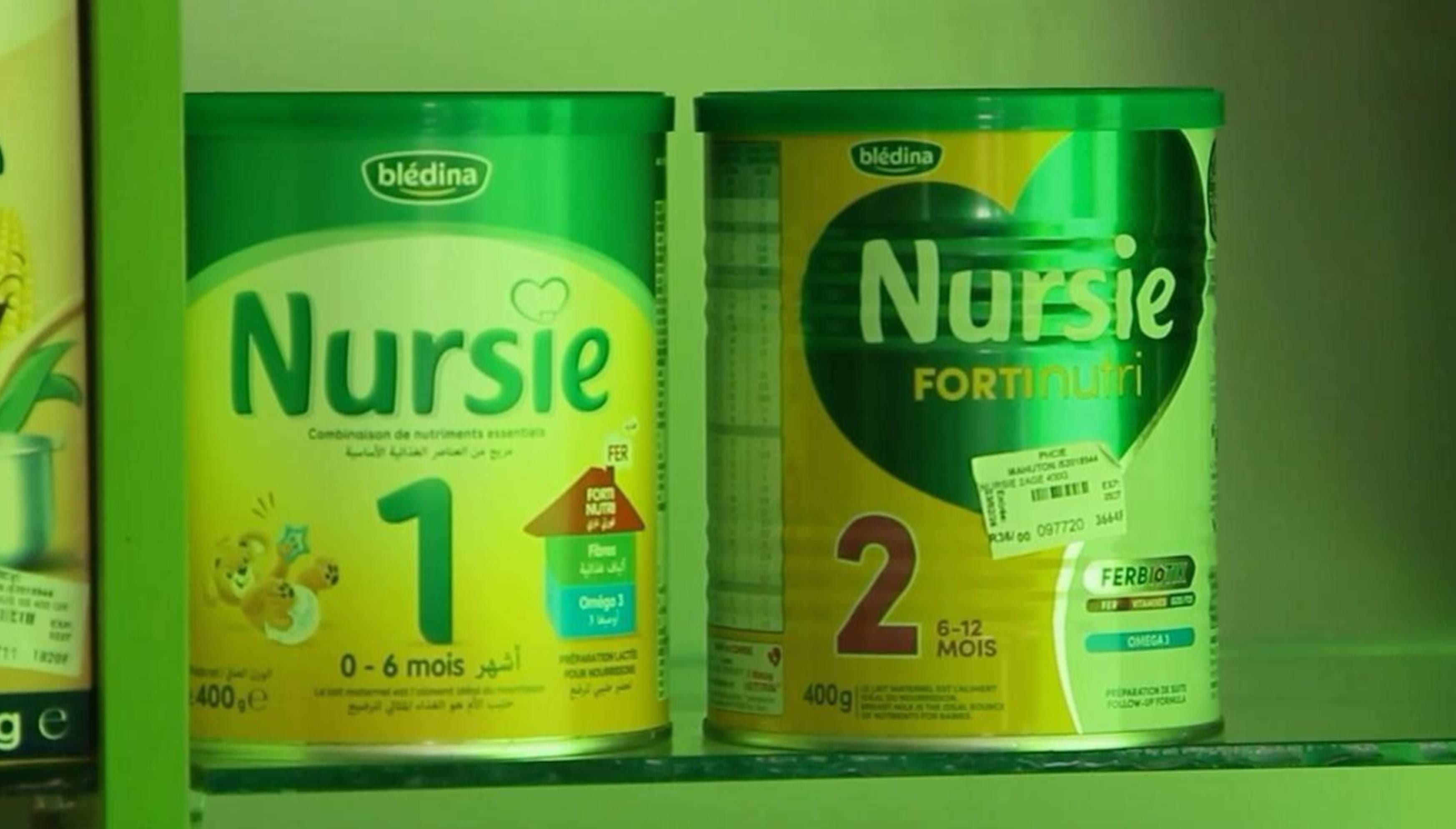
Authorities in Benin said the recall was carried out nationwide.
Benin health authorities and experts warned of serious risks linked to contaminated batches of Nursie infant milk amid a nationwide recall triggered by the detection of cereulide, a toxin produced by the bacterium Bacillus cereus.
The affected formula, imported from Ireland and linked to a French dairy supply chain, was pulled from shelves, as retailers and pharmacies stopped sales.
Parents were urged to discontinue use and return purchased products.
“A batch of Nursie milk was contaminated by a toxin called cereulide,” said paediatrician Aoukou Fabrice. “The bacterium is naturally present in the environment [...] But the real danger comes from the toxin.”
Beninese Food Safety Agency (ABSSA) said there was an "exceedance of the regulatory limit of cereulide, a toxic compound of bacterial origin, in this infant milk from Ireland".
Nursie is made by Bledina, now part of the Danone group. Media reports said Danone also recalled other brands globally, such as Aptamil, Cow & Gate, and Almiron, over the same issue.
Cereulide is highly resistant - even to heat - and can cause serious health complications, particularly in infants.
“This toxin can cause digestive disorders such as abdominal pain, vomiting and diarrhoea,” Fabrice added. “These symptoms can quickly lead to dehydration, which is especially dangerous for infants.”
Authorities in Benin said the recall was carried out nationwide, and products distributed to families were collected.
“All affected products must be returned to points of sale,” said Kinnou Kisoto, Director General of the Beninese Food Safety Agency. “This operation is being conducted in coordination with relevant authorities.”
Officials added that the situation was under control, and inspections ensured no contaminated batches remained in circulation.
Parents have begun switching to alternative products following the alert. “My paediatrician asked me to stop using this milk and prescribed another one,” said one parent.
The recall was part of a wider international food safety alert which involved infant formula products linked to European supply chains in 2026. Investigations identified contaminated arachidonic acid (ARA) oil, commonly used in baby formula, as a likely source of the toxin.
Global health bodies, including the World Health Organisation, are monitoring the situation as part of one of the largest food safety incidents affecting infant nutrition products in recent years.